Categories
Health & Wellness Hearing Care

Professional Tuning of Hearing Aids for Peak Performance

Understanding the Critical Role of Personalisation in Hearing Aids

Customising Hearing Solutions for Unique Hearing Loss Profiles

Diagram of human ear showing high-frequency hearing loss areas, with sound waves and tuned hearing aid in a serene setting.

Understanding the distinctive patterns of individual hearing loss is paramount to maximising the functionality of hearing aids. The human ear’s anatomy is remarkably complex, influenced by factors such as age, exposure to loud noises, and genetic factors that may predispose individuals to hearing impairment. A comprehensive <a href="https://www.earwaxremoval.net/hearing-aids-the-essential-need-for-professional-fitting/">professional fitting</a> is critical, allowing audiologists to identify specific frequencies where users experience difficulties. For instance, those with high-frequency hearing loss may benefit significantly from enhancements tailored to that range, thus enriching their enjoyment of conversations, music, and ambient sounds throughout their daily lives.

Personalisation extends beyond mere adjustments; it encompasses a thorough investigation of the individual’s hearing profile to guarantee that hearing aids are optimally configured for superior sound clarity. This detailed strategy can remarkably enhance the auditory experience, empowering users to engage more fully in everyday activities. For example, individuals who regularly attend live performances would greatly benefit from settings designed to amplify the richness and clarity of musical sounds, while those frequently in quieter settings may require alternative adjustments for an optimal experience.

The outcome of such personalised tuning is not just improved hearing; it cultivates a more immersive auditory experience, enabling users to feel more connected to their environment. It transforms their interactions with family, friends, and the wider world, allowing them to fully engage rather than feel distanced by their hearing challenges.

Enhancing Comfort for Hearing Aid Wearers

Comfort is a vital aspect of the success of hearing aids, as discomfort can result in users discarding their devices altogether. Professional tuning addresses prevalent concerns, such as bothersome feedback noises — that irritating whistling sound — and ensures that hearing aids sit comfortably within the ear canal. When hearing aids are meticulously adjusted, they deliver a more pleasant listening experience, reducing the likelihood of discomfort or pain during extended use.

A well-fitted hearing aid can feel like a natural extension of the body. Professionals employ various techniques to ensure that the device is not only physically comfortable but also acoustically satisfying. By judiciously adjusting sound levels and feedback responses, audiologists can create an environment where users can comfortably wear their hearing aids for prolonged periods, enhancing their overall satisfaction.

Additionally, specialised fittings cater to varying lifestyles. For instance, individuals with active lifestyles may require a more secure fit to prevent slippage during physical activities. Conversely, a user who spends most of their time in quieter environments might prioritise sound clarity without the distraction of background noise, necessitating a different tuning approach to maximise their experience.

Adapting Hearing Aids to Diverse Lifestyle Needs

Hearing aids must be flexible enough to adapt to a variety of lifestyle requirements and environments to effectively serve their intended purpose. Professionals evaluate the user’s daily routines and modify device settings accordingly. For those who frequently transition between busy public areas and peaceful home environments, the need for adaptable adjustments becomes increasingly clear.

Consider a user who often participates in diverse activities, from attending lively social gatherings to enjoying tranquil afternoons at home. Each environment presents distinct auditory challenges that demand specific settings. Professional tuning can establish tailored presets for different situations, allowing users to transition seamlessly between them. For instance, in a bustling restaurant, directional microphones can be finely tuned to focus on speech, effectively filtering out excessive background clatter, while adjustments in a serene environment can enhance subtle sounds.

Furthermore, advancements in technology now allow for programmable hearing aids capable of learning user preferences over time. By incorporating these features, audiologists provide users with a more personalised experience that evolves alongside their needs. This adaptability fosters a sense of empowerment, enabling individuals to enjoy their daily lives without the continuous frustration of manually adjusting their hearing aids.

Incorporating Advanced Technology into Hearing Aids

A sleek, modern hearing aid with advanced technology and digital interface, on abstract tech graphics.

Utilising Cutting-Edge Features for Enhanced Performance

In the rapidly advancing field of hearing technology, leveraging state-of-the-art features is essential for an enhanced user experience. Professional tuning ensures that users can fully benefit from innovative technologies, such as noise reduction, which efficiently filters out distracting sounds, and directional microphones that focus on sounds from specific directions. This not only enriches the auditory experience but also promotes deeper engagement in conversations, especially in challenging auditory settings.

For example, in a vibrant social setting like a busy café, sophisticated hearing aids can effectively distinguish between background chatter and the voice of a friend sitting across the table. Such capabilities can significantly enhance social interactions, empowering users to feel more confident and included in group scenarios. Professionals can optimise these features through precise tuning, ensuring they align with the user’s unique hearing profile while accommodating individual auditory preferences.

Moreover, the integration of smartphone compatibility has revolutionised how users interact with their hearing aids. Many modern devices are equipped with Bluetooth connectivity, facilitating seamless streaming of music or phone calls directly into the hearing aids. Professional tuning guarantees that these connections are calibrated for sound quality, making it easier for users to relish their favourite media without the interference of background noise or distortion.

Optimising Digital Signal Processing for Enhanced Audio Quality

Digital Signal Processing (DSP) is at the heart of contemporary hearing aids, converting sound waves into clear and intelligible audio. Professional tuning is crucial for optimising DSP to align with individual hearing needs. This intricate process involves fine-tuning the algorithms that control sound amplification and processing, specifically targeting frequencies where users experience loss.

By analysing individual hearing profiles, audiologists can adjust gain, compression, and equalisation settings to ensure that every sound is delivered at the appropriate level. For instance, individuals with notable hearing loss in lower frequencies may require specific tuning to amplify those sounds while avoiding excessive amplification in frequencies they can hear adequately.

Furthermore, optimising DSP contributes to a natural sound quality, reducing the perception of distortion that may occur when devices are improperly set. Users can appreciate the subtle nuances of their environment, from the rustling of leaves to the intricacies of a musical performance, leading to a more enriched auditory experience. This technical precision in tuning not only enhances sound quality but also cultivates greater satisfaction and confidence in the use of hearing aids.

Ensuring Seamless Integration with Other Devices

A modern hearing aid connected to a smartphone and tablet, streaming music and video calls with clear, rich sound.

As technology continues to progress, ensuring compatibility with various devices is essential for contemporary hearing aids. Professionals take on the responsibility of tuning devices not only for standalone performance but also for integration with smartphones, televisions, and various assistive technologies. This compatibility is crucial in today’s interconnected landscape, where users expect seamless experiences across multiple devices.

For instance, numerous hearing aids now offer direct streaming capabilities, allowing users to receive audio directly from smartphones or tablets. Professional tuning assists in calibrating these connections, ensuring that sound quality is optimised, regardless of the source. Whether it’s listening to music, participating in video calls, or enjoying television, the clarity and richness of sound heavily depend on how well the hearing aids are tuned for these tasks.

Moreover, compatibility extends to assistive listening devices commonly employed in public venues, such as theatres and auditoriums. Professionals can fine-tune hearing aids to function effectively with these systems, greatly enhancing the listening experience across various settings. By ensuring that users can effortlessly connect to different technologies, professionals improve convenience and accessibility, simplifying navigation through their auditory environment.

Dedication to Regular Maintenance and Updates

The Necessity of Routine Check-ups for Hearing Aids

Regular maintenance is indispensable for the longevity and effectiveness of hearing aids. Scheduling routine check-ups with audiologists ensures that devices remain in optimal condition, delivering the best possible sound quality. During these appointments, professionals can evaluate the performance of the hearing aids, checking for any signs of wear and tear that could affect functionality.

Routine check-ups offer a valuable opportunity for users to discuss any changes in their hearing or experiences with the devices. Audiologists can assess the need for adjustments based on user feedback, ensuring that the hearing aids continue to meet evolving requirements. For instance, as a user’s hearing may fluctuate over time, recalibrating the devices can significantly enhance their auditory experience.

Additionally, these appointments provide a chance for thorough cleaning and maintenance, which is essential for preventing problems caused by dirt or moisture accumulation. Professionals can carry out necessary repairs or replace components as required, thereby extending the lifespan of the hearing aids. Consequently, regular check-ups play a vital role in sustaining optimal performance, ultimately leading to increased user satisfaction and engagement.

The Significance of Software Updates for Peak Performance

Much like smartphones and computers, hearing aids require regular software updates to maintain peak performance. These updates often include new features, improvements in sound processing, and enhancements in compatibility with other devices. Professionals play a crucial role in ensuring that users receive the latest advancements, significantly improving their overall experience.

During routine check-ups, audiologists can update the software of the hearing aids, allowing users to benefit from the latest technology. This is particularly important as hearing aid manufacturers consistently refine their products, responding to customer feedback and technological advancements. Users can enjoy features such as advanced noise cancellation or improved sound quality simply by keeping their devices up to date.

Moreover, these updates frequently encompass security enhancements, ensuring that users’ information and device functionalities remain protected. This aspect of maintenance is critical in an age where data privacy is a growing concern. By prioritising software updates, professionals help users maximise their hearing experience while feeling confident in the security and reliability of their hearing aids.

Maintaining Hearing Aids: Cleaning and Repairs

Keeping hearing aids clean is essential for ensuring performance and preventing damage. Professional maintenance includes comprehensive cleaning that addresses common issues like wax accumulation, moisture exposure, and general wear and tear. These factors can significantly compromise sound quality and overall device effectiveness.

Audiologists possess the expertise and tools necessary for thorough cleaning of hearing aids. They can identify areas that may need specific attention, ensuring that all components function optimally. Regular cleaning by a professional prolongs the lifespan of the devices, reducing the necessity for costly repairs or replacements in the future.

In addition to cleaning, professionals provide vital repair services. Whether it involves a minor adjustment or a major fix, having access to expert repairs ensures users can depend on their hearing aids without interruptions. This comprehensive approach to maintenance provides users with peace of mind, knowing their devices are in capable hands, allowing them to remain fully engaged with the world around them.

Managing Battery Performance for Hearing Aids

Battery life is a critical factor for hearing aid users. Regular maintenance includes checking and replacing batteries as needed to ensure optimal performance. Professionals can evaluate battery health and offer recommendations on best practices for prolonging battery life, such as avoiding extreme temperatures and ensuring proper storage conditions.

Recognising when to replace batteries is crucial, as weak batteries can lead to diminished sound quality and overall performance. Audiologists can assist users in identifying signs that batteries may need replacement, thus preventing interruptions in their hearing experience. Furthermore, they can introduce users to advanced battery technologies, such as rechargeable options, which provide convenience and sustainability.

Moreover, proper training on battery care and usage can empower users to take control of their hearing aids. Professionals can explain how to maximise battery efficiency and troubleshoot common issues. This comprehensive approach to battery maintenance ensures that users enjoy a consistently reliable auditory experience without the worry of sudden battery failures.

The Importance of Firmware Upgrades for Optimal Functionality

Firmware upgrades are crucial for keeping hearing aids functioning at their best. Over time, manufacturers may release updates to enhance device performance, introduce new features, or rectify issues. Professional tuning involves ensuring that hearing aids have the latest firmware installed, enabling users to capitalise on ongoing technological advancements.

These upgrades are typically designed to improve sound processing algorithms, enhance connectivity features, and provide better overall user experiences. By keeping current with firmware, users can enjoy the latest benefits without frequently needing to purchase new devices. This approach not only saves costs but also enhances user satisfaction by maintaining the cutting-edge capabilities of their existing equipment.

Professionals play a pivotal role in managing firmware upgrades, conducting them during routine check-ups or as needed based on user experiences. This proactive approach ensures that hearing aids operate at peak efficiency, allowing users to remain connected to their environment without the frustrations associated with outdated technology.

Responding to User Feedback for an Enhanced Experience

Addressing Sound Issues with Precision

User feedback is invaluable during the professional tuning process, particularly for resolving sound issues. Many users may face problems such as feedback, distortion, or imbalanced sound. Professionals can fine-tune hearing aids to directly tackle these concerns, ensuring a smoother and more enjoyable auditory experience.

For instance, if a user frequently reports feedback noise, audiologists can adjust the gain settings and explore various fitting options. Actively engaging with users about their experiences allows professionals to make precise adjustments that significantly impact satisfaction and usability. This responsiveness is crucial in cultivating trust and confidence in hearing aid technology.

Moreover, professionals can leverage advanced diagnostic tools to evaluate sound quality and pinpoint issues that users may not be aware of. By integrating technology with user feedback, audiologists can fine-tune settings and create a sound profile that resonates with individual preferences and needs, ultimately enhancing the quality of life.

Improving the Overall User Experience

Enhancing user experience is a key focus for professionals working with hearing aids. Regular adjustments based on user feedback can lead to significant improvements in comfort, functionality, and overall satisfaction. Audiologists frequently conduct follow-up visits to discuss any concerns or changes in hearing, tailoring the tuning process to meet evolving needs.

A critical component of this process involves understanding the user’s lifestyle and the specific challenges they encounter in different environments. For instance, if a user struggles in social settings but finds listening in quiet spaces manageable, professionals can refine the settings to prioritise clarity in noisy surroundings. This personalised approach fosters a better user experience, empowering individuals to engage more fully in their daily lives.

Additionally, ongoing communication between the user and the audiologist is essential. Establishing a feedback loop encourages users to share their experiences, promoting continuous improvement in device performance. This collaborative relationship can significantly enhance user satisfaction, as adjustments are made in real-time based on real-world experiences.

Customising Hearing Aids for Individual Requirements

Every user possesses unique hearing preferences and needs that must be considered during the professional tuning process. Audiologists are trained to customise hearing aids to meet these specific requirements, enhancing individuality in their sound profiles. Whether it involves adjusting frequency responses for optimal speech clarity or optimising settings for music enjoyment, tailored tuning creates a more satisfying auditory experience.

For example, someone with a passion for classical music may require specific enhancements in mid-range frequencies to appreciate the subtleties of orchestral arrangements. Conversely, an individual who enjoys social interactions may benefit from features that prioritise speech intelligibility in crowded settings. This level of customisation not only improves listening experiences but also fosters deeper connections to the world around them.

Additionally, professionals may implement varying levels of customisation based on user feedback over time. As individuals adapt to their hearing aids, their needs may evolve, necessitating further adjustments. This fluid approach to customisation ensures that users remain satisfied with their devices, enhancing engagement and participation in daily activities.

Establishing Effective Feedback Loops

Creating effective feedback loops is essential for continuously enhancing the hearing aid experience. Professionals encourage users to share their experiences with the devices, gathering insights on performance and comfort. This open dialogue is critical for identifying areas that need attention and improvement, allowing audiologists to make timely adjustments.

By regularly soliciting feedback, audiologists can deepen their understanding of users’ unique challenges and preferences. For instance, if multiple users report similar issues with a specific feature, professionals can address those concerns collectively, leading to broader improvements in device performance. This proactive approach fosters community trust in the audiological practice and enhances overall user satisfaction.

Moreover, feedback loops extend beyond user experiences; they can also involve collaboration with manufacturers. By sharing user insights with device creators, audiologists can contribute to the development of future models that better meet user needs. This interconnected approach to feedback ensures that the evolution of hearing aids aligns with the realities of users’ experiences, resulting in a more informed and effective auditory technology landscape.

Preventing Health Complications Through Hearing Aid Use

Averting Ear Damage Through Professional Tuning

Improperly tuned hearing aids can lead to discomfort and potential ear damage. Professionals play a crucial role in ensuring that devices are correctly set to avert these issues. Through comprehensive assessments and fittings, audiologists can minimise the risk of excessive amplification that can harm the inner ear.

A primary concern associated with hearing aids is the potential for sound distortion and feedback that can arise when devices are not properly adjusted. These issues can lead to painful sensations and long-term damage, making professional tuning essential for safe use. Audiologists are trained to recognise critical thresholds that should not be exceeded, ensuring users can enjoy their devices without jeopardising their hearing health.

Moreover, regular check-ups facilitate ongoing monitoring of ear health. By examining the ear canal and assessing the fit of the hearing aids, professionals can identify any emerging issues early on and recommend appropriate actions. This proactive approach not only safeguards hearing health but also enhances the overall experience of wearing hearing aids.

Reducing the Risk of Infections

Proper fitting and maintenance of hearing aids are crucial in minimising the risk of ear infections. When devices are not correctly adjusted, they can create barriers that trap moisture and debris within the ear canal, leading to discomfort and an increased likelihood of infections.

Audiologists can provide users with guidance on maintaining proper hygiene and care for their hearing aids. Regular cleaning and appropriate storage practices are essential for preventing moisture accumulation and ensuring that devices do not contribute to ear infections. Furthermore, professionals can assess the fit of the hearing aids, ensuring that they sit snugly without causing excessive intrusiveness in the ear canal.

Another preventive measure includes educating users about the signs of potential ear infections. By recognising early symptoms, users can seek timely professional guidance, reducing the risk of complications. This holistic approach to hearing aid management not only protects users from health issues but also enhances their overall experience with the devices.

Effectively Monitoring Hearing Health

Ongoing monitoring of hearing health is vital for maintaining optimal auditory function. Professionals are equipped to detect changes in hearing abilities during routine check-ups, making necessary adjustments to hearing aids based on these observations. This proactive approach allows users to adapt effectively to changes, ensuring they continue to benefit from their devices.

Audiologists often utilise advanced tools, such as audiograms, to track hearing changes over time. By comparing results from previous assessments, they can identify trends and make informed decisions regarding adjustments. For example, if a user’s hearing loss progresses in a specific frequency range, professionals can modify the device settings to accommodate this change.

Additionally, continuous monitoring fosters a collaborative relationship between the user and the audiologist. Encouraging users to report any shifts in their hearing or experiences with the devices enhances the tuning process. This partnership promotes better auditory health and empowers individuals to take an active role in their hearing care journey.

Maximising Battery Longevity for Hearing Aids

Strategies for Efficient Power Consumption

Maximising battery life is a significant concern for hearing aid users. Professionals can optimise settings to ensure efficient power consumption without sacrificing performance. This process includes adjusting features such as volume levels, noise reduction, and connectivity options to conserve battery life while maintaining sound quality.

By conducting comprehensive assessments, audiologists can identify which settings may be unnecessarily draining power. For instance, if a user primarily operates in quiet environments, certain features can be minimised to extend battery longevity. This tailored approach allows users to enjoy their hearing aids for longer periods without the frequent necessity for battery changes.

Moreover, professionals can educate users about proper battery management practices. Understanding how to handle batteries, including tips on storage conditions and usage patterns, empowers users to take control of their hearing aids’ performance. This proactive strategy enhances user satisfaction by ensuring devices are consistently ready to deliver optimal auditory experiences.

Minimising Unnecessary Battery Drain

Unnecessary battery drain can be a frustrating issue for hearing aid users. Professionals can fine-tune device settings to reduce power consumption, ensuring that users can depend on their hearing aids throughout the day. This fine-tuning process may include deactivating unused features or adjusting power settings for specific environments.

For example, if a user primarily listens in quiet settings, high-power features like Bluetooth connectivity may not be essential. By deactivating these features when not in use, audiologists can significantly extend battery life. This level of customisation ensures that users can enjoy uninterrupted hearing experiences without the constant worry of battery depletion.

Additionally, professionals can provide recommendations on accessories that enhance battery efficiency, such as portable charging cases or battery-saving modes. By equipping users with knowledge about their devices, professionals empower them to make informed choices that positively impact battery performance.

Guiding Users on Proper Battery Care

Battery care is a crucial aspect of maintaining hearing aids. Professionals can offer users practical advice on prolonging battery life and ensuring optimal performance. This guidance often covers topics like proper storage, handling practices, and recognising signs of battery wear.

For instance, users can be instructed on how to store batteries at room temperature and away from humidity. Additionally, audiologists can explain how to check battery life indicators on devices, enabling users to monitor their batteries effectively. By fostering a better understanding of battery care, professionals help users avoid unexpected power loss during critical moments.

Furthermore, professionals can guide users on when to replace batteries, ensuring they always have a reliable power supply. This proactive approach to battery maintenance not only enhances user experiences but also contributes to overall satisfaction with hearing aids.

Enhancing Communication Skills for Hearing Aid Users

Improving Speech Clarity Through Fine-Tuning

Clear speech recognition is a vital component of effective communication, and professional tuning can significantly enhance this aspect of hearing aids. By optimising sound settings, audiologists can assist users in distinguishing speech from background noise, facilitating more engaging conversations.

Advanced features like directional microphones can be finely tuned to prioritise speech sounds, improving clarity in a variety of environments. For example, in a crowded room, these settings can help users focus on specific voices while filtering out extraneous noises. This precision in tuning empowers individuals to participate in discussions confidently, alleviating the strain of trying to comprehend what others are saying.

Moreover, audiologists can adjust frequency responses to emphasise the sounds that are most critical for speech recognition. By tailoring these settings to individual hearing profiles, professionals ensure that users can engage fully with their surroundings, leading to richer social interactions and improved overall communication.

Minimising Background Noise for Enhanced Concentration

Background noise can significantly hinder effective communication for hearing aid users. Professional tuning plays a vital role in reducing unwanted sounds, allowing users to focus on the auditory information that matters most. By employing advanced noise reduction technologies, audiologists can create a more pleasant listening environment.

For example, users often find themselves in settings with competing sounds, such as bustling cafes or busy streets. Tuning hearing aids to minimise these distracting noises can enhance the overall listening experience. Professionals can fine-tune settings to prioritise speech clarity while effectively filtering out disruptive sounds, leading to more enjoyable conversations.

Additionally, users can be educated on how to effectively utilise their hearing aids in various settings. By understanding how to adjust settings or activate specific features, individuals can enhance their ability to concentrate on what matters most. This increased control contributes to greater confidence in communication, supporting users in various social situations.

Fostering Social Interactions Through Improved Hearing

Enhanced hearing aids substantially improve social interactions, enriching the quality of communication and engagement. When users can hear clearly, they can participate more fully in conversations, fostering connections with friends, family, and colleagues.

Audiologists play a pivotal role in this process by fine-tuning devices to meet the specific needs of users’ social environments. Whether at family gatherings, professional meetings, or casual outings, the ability to hear and respond effectively is crucial for meaningful interactions.

Moreover, professionals can provide guidance on using hearing aids in diverse social settings, such as managing conversations in group situations or navigating noisy environments. This support fosters independence and confidence, encouraging users to be more active participants in their communities and to build stronger relationships.

Enhancing Listening Abilities Through Tailored Support

Effective communication relies on strong listening skills, which can be improved through professional tuning of hearing aids. Audiologists can assist users in developing these skills by enhancing their capacity to interpret and respond to auditory information. This is particularly important in complex listening environments where multiple sounds compete for attention.

By fine-tuning hearing aids to prioritise specific frequencies, professionals can help users discern speech patterns and nuances. This adjustment can lead to improved auditory processing, enabling users to engage more effectively in conversations. Additionally, specialised training from audiologists can equip users with techniques to enhance their overall listening abilities.

Furthermore, professionals can introduce exercises and strategies that promote active listening. By focusing on specific sounds or engaging in targeted listening activities, users can strengthen their skills over time. This holistic approach not only enhances the effectiveness of hearing aids but also empowers users to communicate more confidently and effectively.

Ensuring Long-Term Satisfaction with Hearing Aids

Providing Continuous Support for Users

Ongoing support is crucial for ensuring long-term satisfaction with hearing aids. Audiologists play an essential role in delivering continuous guidance and adjustments as users’ needs evolve over time. Regular follow-up appointments facilitate fine-tuning of devices, ensuring users can enjoy an optimal auditory experience.

The relationship between users and audiologists is founded on trust and open communication. By establishing a supportive environment, professionals encourage users to express their concerns and share their experiences. This collaborative approach fosters a sense of partnership, allowing for proactive adjustments that enhance overall satisfaction with hearing aids.

Additionally, audiologist support extends beyond technical adjustments. Many professionals offer educational resources and workshops that empower users to maximise the potential of their devices. By fostering a deeper understanding of hearing aids and their capabilities, audiologists can help users feel more confident and engaged in their auditory journey.

Boosting User Confidence Through Personalised Tuning

Knowing that their hearing aids have been professionally tuned instils a sense of confidence in users, significantly enhancing their satisfaction and overall experience. When individuals recognise that their devices are customised to meet their specific hearing needs, they can approach daily activities with greater assurance.

This newfound confidence translates into improved social interactions, as users feel more equipped to engage in conversations without the fear of missing important sounds or speech. As users gain confidence in their hearing abilities, they are more likely to actively participate in social situations, fostering connections and strengthening relationships.

Moreover, professionals can support this confidence-building process through positive reinforcement and encouragement. Acknowledging user progress and celebrating small victories can motivate individuals to embrace their hearing aids fully. This empowering approach contributes to long-term satisfaction and a richer auditory experience, ultimately enhancing users’ quality of life.

Frequently Asked Questions About Hearing Aids

Why is professional tuning essential for hearing aids?

Professional tuning ensures that hearing aids are tailored to individual hearing loss patterns, enhancing sound clarity, comfort, and adaptability to various environments.

How frequently should I have my hearing aids professionally tuned?

It is advisable to schedule professional tuning at least once a year or more often if you notice changes in your hearing or experience discomfort.

What benefits do regular maintenance and check-ups offer for hearing aids?

Regular maintenance prolongs the lifespan of hearing aids, ensures optimal performance, and minimises the risk of infections or hearing loss due to improper usage.

Can hearing aids be adjusted for specific environments?

Yes, audiologists can customise hearing aids for different settings, enhancing speech clarity in noisy environments or optimising sound quality in quieter spaces.

How can I effectively maximise the battery life of my hearing aids?

To maximise battery life, avoid using unnecessary features, store batteries properly, and follow professional guidance on maintenance and replacement.

What should I do if I encounter feedback or distortion with my hearing aids?

If you experience feedback or distortion, consult your audiologist for adjustment recommendations to improve sound quality and comfort.

How can I ensure my hearing aids remain clean and well-maintained?

Regular cleaning with professional support and adherence to proper hygiene practices will help maintain hearing aids and prevent issues like ear infections.

Are there any health risks associated with poorly fitted hearing aids?

Yes, inadequately fitted hearing aids can lead to discomfort, ear damage, and an increased risk of infections; professional tuning ensures safe and effective usage.

What role does technology play in modern hearing aids?

Modern hearing aids incorporate advanced technology, including noise reduction and Bluetooth connectivity, enhancing users’ auditory experiences and communication capabilities.

How can I enhance my listening skills while using hearing aids?

By collaborating with audiologists, users can enhance their listening skills through tailored exercises, training, and optimising hearing aids for better sound clarity and focus.

Explore our journey on X!

The post Hearing Aids Professional Tuning for Optimal Performance appeared first on The Microsuction Ear Wax Removal Network.

The post Hearing Aids Professional Tuning for Optimal Performance appeared first on Healthcare Marketing Service.
Categories
Health & Wellness Hearing Care

Daily Habits for Preventing Tinnitus: Key Tips to Follow

Last Updated on 21/05/2025 by Admin

Embrace a Nutrient-Dense Diet for Optimal Ear Health

Adopting a nutrient-dense diet is essential for preventing tinnitus with daily habits and ensuring overall well-being. The food you consume significantly influences your health, particularly your ear health. A balanced diet rich in vitamins and minerals not only mitigates the symptoms of tinnitus but also strengthens your body’s defenses against various health challenges. Prioritizing nutrient-rich foods contributes to a healthier lifestyle, enabling you to maintain your auditory function while supporting your overall health.

Incorporate a Diverse Range of Nutrient-Rich Foods

Including a wide array of nutrient-rich foods in your meals is critical to supporting ear health. Foods abundant in antioxidants, vitamins A, C, and E, along with essential minerals such as zinc and magnesium, are vital for promoting optimal inner ear function. Leafy greens like spinach and kale, combined with colorful fruits like berries and oranges, serve as fantastic sources of these essential nutrients. In addition, nuts and seeds, rich in healthy fats and vitamins, significantly contribute to maintaining auditory health.

Scientific research has highlighted the importance of certain vitamins in preserving hearing function. For example, vitamin A is crucial for repairing cells within the inner ear, while vitamin C acts as a protective agent against free radical damage. By focusing on a colorful, nutrient-dense plate, you not only satisfy your palate but also equip your body with the essential nutrients needed to aid in preventing tinnitus with daily habits.

Reduce Your Salt Consumption for Better Ear Health

Excessive salt consumption often hides in many diets and can lead to fluid retention, which increases pressure within the inner ear. This added pressure can exacerbate the symptoms of tinnitus. Current dietary guidelines recommend limiting sodium intake to less than 2,300 mg per day to support healthy blood pressure levels and overall wellness. Globally, individuals can greatly benefit from embracing low-sodium options, such as utilizing herbs and spices to enhance flavor without the added sodium.

Moreover, exploring local cuisines that naturally incorporate less salt can lead to improved health outcomes. For instance, Mediterranean diets emphasize fresh herbs, vegetables, and seafood, which are not only low in sodium but also rich in omega-3 fatty acids. By adopting a global perspective on dietary habits, individuals can enjoy diverse cuisines while keeping sodium levels in check, thus promoting better ear health and reducing the risk of tinnitus.

Prioritize Hydration to Support Ear Function

Maintaining proper hydration is crucial for sustaining the body’s balance, including the delicate fluids found in the inner ear. Dehydration can cause thickened blood, negatively affecting circulation and potentially worsening tinnitus symptoms. By ensuring optimal hydration, you help keep the inner ear well-nourished and functioning correctly.

The general recommendation is to consume at least eight 8-ounce glasses of water daily; however, individual needs can vary based on factors like activity level and environmental conditions. In hotter climates, for example, increased hydration becomes even more critical. Additionally, incorporating hydrating foods such as cucumbers, watermelon, and oranges can boost your fluid intake. This simple dietary adjustment can serve as an effective method for preventing tinnitus with daily habits.

Integrate Omega-3 Fatty Acids into Your Diet

Omega-3 fatty acids, predominantly found in fatty fish like salmon and sardines, play a vital role in reducing inflammation throughout the body, including the auditory system. These healthy fats enhance blood flow, which can improve ear function and potentially alleviate the symptoms of tinnitus.

Research indicates that diets rich in omega-3s are beneficial not only for heart health but also for maintaining auditory health. Plant-based sources like flaxseeds and chia seeds present excellent alternatives for those with vegetarian or vegan preferences. Including these foods in your diet can foster overall wellness and may aid in preventing tinnitus with daily habits by promoting a healthy vascular system, which is essential for optimal hearing.

Minimize Caffeine and Alcohol Consumption

Caffeine and alcohol are two prevalent stimulants that can exacerbate the symptoms of tinnitus. Caffeine can elevate blood pressure, potentially intensifying the perception of ringing in the ears, while alcohol may lead to dehydration and disrupt the fluid balance necessary for maintaining ear health. Limiting these substances can be a straightforward yet effective strategy for those looking to minimize their tinnitus symptoms.

Cultural variations in caffeine consumption—from coffee in Colombia to green tea in Japan—illustrate the widespread nature of this stimulant. Similarly, alcohol consumption is prevalent across many cultures, underscoring the need for a sensible approach to moderation. Transitioning to lower-caffeine beverages and opting for non-alcoholic choices during social gatherings can significantly benefit your ear health while also enhancing your overall well-being.

Implement Effective Stress Management Techniques

Stress is a recognized contributor to numerous health challenges, and for individuals experiencing tinnitus, it can intensify the symptoms associated with the condition. Implementing effective stress management techniques can dramatically improve quality of life and reduce the perception of tinnitus.

Embrace Mindfulness Practices for Stress Relief

Mindfulness practices such as meditation and deep breathing exercises are powerful tools for managing stress and promoting relaxation. These techniques foster mental clarity and focus, which can be especially beneficial for those grappling with the persistent noise of tinnitus. Engaging in mindfulness practices has been extensively researched and has shown considerable reductions in perceived stress levels along with improvements in emotional well-being.

Across the globe, various cultures have embraced mindfulness techniques—such as yoga in India, Zen practices in Japan, and even tai chi in China—all emphasizing the connection between mind and body. Integrating mindfulness into your daily routine can provide a much-needed respite from the stresses of modern life, allowing for increased focus on well-being and potentially alleviating the burdensome symptoms of tinnitus.

Engage in Consistent Physical Activity for Mental Clarity

Regular physical activity serves as a cornerstone of effective stress management and offers numerous benefits for both mental and physical health. Exercise stimulates the release of endorphins, which are natural pain relievers and mood elevators. For individuals experiencing tinnitus, engaging in regular exercise can help reduce stress and enhance overall health, potentially alleviating tinnitus symptoms.

Participating in activities like walking, jogging, cycling, or even dance classes provides enjoyable ways to incorporate movement into your daily routine. Different regions around the world offer unique opportunities—whether it’s hiking in the breathtaking landscapes of the Swiss Alps or joining a community yoga class in a bustling urban park. By aligning your exercise habits with enjoyable activities, you create a sustainable approach to stress management that contributes to preventing tinnitus with daily habits.

Ensure You Get Quality Sleep for Overall Wellness

Quality sleep is fundamental for maintaining overall health, playing a crucial role in effective stress management. Insufficient or poor-quality sleep can exacerbate tinnitus symptoms, creating a detrimental cycle. Establishing a consistent sleep schedule, creating a restful environment, and engaging in calming pre-sleep rituals can significantly enhance sleep quality.

Globally, sleep patterns vary widely, shaped by cultural practices and lifestyle choices. For instance, the siesta tradition in Mediterranean countries highlights the importance of rest, while countries like Japan emphasize disciplined sleep hygiene. By embracing good sleep practices—such as limiting screen time before bed and creating a serene sleeping environment—you can enhance sleep quality and contribute positively to managing tinnitus.

Utilize Relaxation Techniques to Alleviate Stress

Employing relaxation techniques like deep breathing exercises, progressive muscle relaxation, and guided imagery can effectively counteract stress. These methods promote relaxation and provide significant benefits for individuals dealing with tinnitus. By engaging in these practices, you can lower your heart rate and blood pressure, which may reduce the perception of tinnitus sounds.

Every culture has its own unique relaxation techniques—such as the ancient practice of qigong in China or modern mindfulness-based stress reduction programs in the West. Exploring various methods can help you discover what resonates best with you. Integrating relaxation techniques into your daily routine fosters a sense of calm, empowering you to better manage the effects of tinnitus.

Proactively Protect Your Hearing to Prevent Tinnitus

Taking steps to protect your hearing is essential for preventing tinnitus with daily habits. By proactively safeguarding your auditory health, you can prevent the onset of tinnitus and enhance your overall quality of life.

Utilize Ear Protection in Noisy Environments

In our increasingly noisy world, using ear protection is more vital than ever. Wearing earplugs or earmuffs in loud environments—such as concerts, construction sites, or sporting events—can effectively help prevent noise-induced hearing loss, a significant contributor to tinnitus.

Protective gear is widely available, and investing in high-quality options that provide sufficient noise reduction is crucial. Globally, awareness of hearing protection has been escalating, with various initiatives promoting safe listening practices. By prioritizing ear protection, you’re making a conscious choice to safeguard your hearing and potentially reduce your risk of developing tinnitus.

Minimize Your Exposure to Loud Noises

Extended exposure to loud noises can result in irreversible damage to the delicate structures within your ears, significantly increasing the risk of tinnitus. It is essential to limit time spent in loud environments and take breaks when necessary. The World Health Organization has developed guidelines to assist individuals in understanding safe noise levels and duration of exposure.

Cities worldwide are launching noise pollution awareness campaigns, urging people to be mindful of their auditory environment. Whether living in a bustling city or a quiet countryside, being conscious of surrounding noise levels is crucial for preserving your hearing health. By taking proactive measures to limit exposure to loud sounds, you contribute to preventing tinnitus with daily habits.

Regularly Take Breaks from Noise Exposure

Taking regular breaks from exposure to noise is essential for ear recovery and overall auditory well-being. Spending time in quiet environments allows your ears to rest and recuperate from constant stimuli. Whether you opt for a brief walk in a park or retreat to a tranquil space at home, quiet time is crucial for maintaining ear health.

In many cultures, quiet reflection is highly valued—whether through nature walks in the Japanese countryside or silent retreats in monasteries. Embracing the concept of rest and quiet can have significant benefits for your well-being. Cultivating a habit of stepping away from noise can facilitate a healthier auditory experience, potentially diminishing the severity of tinnitus symptoms.

Monitor Your Medication Use to Mitigate Tinnitus Risk

Certain medications can either lead to or worsen tinnitus symptoms. Being proactive in managing your medication use is essential for individuals aiming to reduce the risk of developing tinnitus.

Understand the Impact of Ototoxic Drugs

Ototoxicity refers to medication-induced hearing damage, and many medications can contribute to tinnitus. Drugs such as specific antibiotics, chemotherapy agents, and high doses of aspirin have been linked to auditory effects. It is crucial to consult healthcare providers regarding potential side effects and explore alternatives when necessary.

Awareness of ototoxic drugs is vital globally, as many individuals may unknowingly consume medications that contribute to hearing issues. Engaging in open conversations with your healthcare provider about any concerns can lead to safer medication choices that prioritize both your health and hearing.

Follow Prescribed Medication Guidelines Closely

Adhering to prescribed medication guidelines is essential for minimizing the risk of tinnitus. Misuse or overuse of medications can result in adverse effects, including heightened ringing or buzzing in the ears. Always discuss any changes in your health or symptoms with your healthcare provider to make necessary adjustments to your medications.

Keeping a medication diary can be a valuable strategy for tracking your prescriptions and any side effects experienced. This proactive approach empowers you to take control of your health and ensures that medications are used safely, ultimately contributing to preventing tinnitus with daily habits.

Explore Alternative Treatments for Tinnitus Management

Investigating alternative treatments can offer additional pathways for managing tinnitus without the potential side effects associated with conventional medications. Options such as acupuncture, herbal remedies, and sound therapy have gained popularity as effective methods for alleviating tinnitus symptoms.

Cultural practices worldwide present diverse alternatives to traditional medicine. For instance, traditional Chinese medicine emphasizes holistic approaches, while Ayurvedic practices from India focus on balancing bodily systems. Integrating these alternative treatments into your routine may provide relief from tinnitus symptoms and enhance your overall well-being.

Practice Proper Ear Hygiene to Prevent Tinnitus

Maintaining proper ear hygiene is crucial for avoiding conditions that may contribute to tinnitus. Implementing healthy ear care practices promotes optimal ear function and reduces the risk of developing tinnitus.

Refrain from Using Cotton Swabs for Ear Cleaning

Using cotton swabs to clean your ears can often cause more harm than good. Inserting objects into the ear canal may damage the eardrum and push earwax deeper into the canal, possibly causing blockages and contributing to tinnitus. The ears are self-cleaning and typically do not require intrusive cleaning methods.

Instead of reaching for cotton swabs, consider using a warm washcloth to gently cleanse the outer ear. By adopting safer ear hygiene practices, you can enhance your auditory health and help prevent conditions that could lead to tinnitus.

Keep Your Ears Dry to Prevent Infections

Moisture in the ears can result in infections, which may trigger tinnitus. Keeping your ears dry, especially after swimming or bathing, is crucial for preventing excess moisture buildup. If you are prone to ear infections, consider using earplugs while swimming or thoroughly drying your ears after exposure to water.

Globally, different cultures possess traditional methods for ear care. For instance, in some communities, specific oils are used to promote ear health and maintain dryness. Adopting local customs can enhance your ear hygiene practices while ensuring a healthy environment for your ears.

Regularly Check for Earwax Buildup

Excessive earwax can lead to blockages that may cause tinnitus symptoms. Regularly monitoring for earwax buildup is a key component of ear care. If you notice any signs of blockage, consult a healthcare provider for professional removal.

While earwax serves a protective function in the ear, excessive buildup can result in auditory complications. By remaining vigilant about your ear health and seeking professional assistance when necessary, you can contribute to preventing tinnitus with daily habits and maintain optimal hearing function.

Prioritize Regular Health Check-Ups for Tinnitus Prevention

Routine health check-ups are vital for identifying conditions that may contribute to tinnitus. Staying proactive about your health enables you to address potential issues before they escalate.

Schedule Regular Hearing Tests to Monitor Auditory Health

Frequent audiograms are crucial for detecting early signs of hearing loss or tinnitus. Scheduling regular hearing tests facilitates timely intervention and management of any auditory concerns. Many healthcare providers recommend annual hearing screenings, particularly for individuals at a higher risk of developing hearing problems.

Globally, there is a growing awareness of the importance of hearing tests, with various initiatives highlighting the need for early detection and intervention. By prioritizing regular hearing assessments, you empower yourself to address potential problems before they escalate into significant issues, further enhancing your quality of life.

Monitor Your Blood Pressure for Optimal Health

High blood pressure is linked to various health issues, including tinnitus. Regularly monitoring your blood pressure can help you maintain control and mitigate the risk of developing tinnitus. Lifestyle changes such as adhering to a healthy diet, engaging in regular exercise, and managing stress can all contribute to optimal blood pressure levels.

Health organizations around the globe recommend incorporating routine blood pressure checks into your healthcare regimen. By prioritizing cardiovascular health, you not only improve your overall well-being but also support your auditory health, reinforcing the significance of preventing tinnitus with daily habits.

Address Underlying Medical Conditions Promptly

Specific medical conditions, such as anemia and thyroid issues, can contribute to tinnitus. Regular check-ups can help effectively identify and manage these underlying conditions. Open communication with healthcare providers about symptoms and concerns is essential for receiving appropriate care.

With advancements in medical technology, screenings for various conditions are becoming increasingly accessible worldwide. By proactively managing your health, you empower yourself to address potential contributors to tinnitus and improve your overall health.

Schedule Regular Ear Examinations for Ongoing Care

Routine visits to an ear, nose, and throat (ENT) specialist can help identify earwax buildup or infections that may contribute to tinnitus. Regular examinations ensure prompt treatment and care for your ears, promoting long-term auditory health.

Globally, awareness of the importance of ear examinations is growing, with various health campaigns emphasizing the need for regular check-ups. By prioritizing your ear health and seeking professional care as necessary, you can take significant steps toward preventing tinnitus with daily habits.

Frequently Asked Questions About Tinnitus Management

What lifestyle changes can effectively assist in preventing tinnitus?

Implementing a healthy diet, efficiently managing stress, protecting your hearing, and practicing good ear hygiene are essential strategies in preventing tinnitus with daily habits.

How does a healthy diet influence tinnitus symptoms?

A diet abundant in vitamins and antioxidants supports ear health and may reduce tinnitus symptoms. Limiting salt intake and incorporating omega-3 fatty acids can also be beneficial.

What are some common causes of tinnitus?

Tinnitus can arise from exposure to loud noises, ear infections, certain medications, and underlying health conditions such as high blood pressure and stress.

Is there a relationship between stress and tinnitus?

Yes, stress is a known trigger for tinnitus. Effectively managing stress through mindfulness and relaxation techniques can help alleviate symptoms.

Can regular exercise aid in tinnitus management?

Consistent physical activity can lower stress levels, enhance overall well-being, and may help diminish the perception of tinnitus.

How crucial is it to protect your hearing?

Protecting your hearing is vital in preventing tinnitus with daily habits. Using ear protection in noisy environments is essential to prevent noise-induced hearing loss.

What should I do if I suspect I have tinnitus?

If you suspect you have tinnitus, consult a healthcare provider for a thorough evaluation and to discuss potential treatment options.

Can hydration have an impact on tinnitus symptoms?

Yes, maintaining proper hydration helps sustain fluid balance in the body, which can positively affect ear function and reduce tinnitus symptoms.

Are there alternative treatments available for tinnitus management?

Yes, alternative treatments such as acupuncture, sound therapy, and herbal remedies may assist in managing tinnitus symptoms without the side effects of conventional medications.

How frequently should I have my hearing evaluated?

Regular hearing tests are recommended, ideally on an annual basis, to detect early signs of hearing loss or tinnitus, especially if you are at greater risk.

Explore our journey on X!

The post Daily Habits for Preventing Tinnitus: Key Tips to Follow appeared first on The Microsuction Ear Wax Removal Network.

The post Daily Habits for Preventing Tinnitus: Key Tips to Follow appeared first on Healthcare Marketing Service.
Categories
Health & Wellness Hearing Care

Hearing Aid Hygiene: Essential Tips for Best Practices

Essential Daily Routines for Optimal Hearing Aid Maintenance

Hearing aids are intricate devices that demand a strong commitment to hygiene to ensure their optimal performance. Establishing a reliable daily maintenance routine is not just about keeping them visually appealing; it has a direct impact on sound quality, longevity, and the overall user experience. Consistent upkeep, which includes cleaning techniques, moisture checks, and battery care, lays the groundwork for the best practices for hearing aid hygiene that every user should embrace.

Effective Cleaning Techniques for Hearing Aids

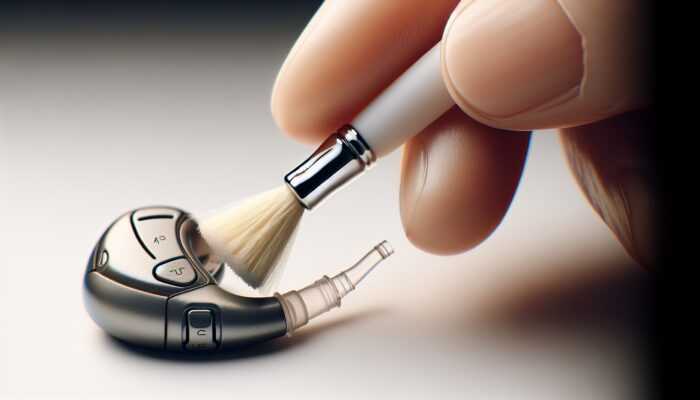
Utilizing a soft cloth and a gentle brush is essential for the daily upkeep of hearing aids. These tools are indispensable as dust, debris, and natural skin oils quickly accumulate, which can adversely affect their functionality and sound clarity. A soft cloth can effectively wipe away visible dirt, while a specialized brush designed specifically for hearing aids can gently dislodge stubborn particles lodged in hard-to-reach areas. Pay special attention to the microphone and receiver openings, as these regions are particularly susceptible to blockages that can significantly muffle sound quality.

Daily cleaning not only enhances the device’s performance but also plays a crucial role in promoting ear health for the user. Neglecting this vital aspect of hygiene can lead to infections or irritations caused by trapped moisture and debris. Therefore, it’s imperative to establish a regular cleaning routine, ideally syncing it with daily activities such as brushing teeth or applying skincare. This will help reinforce the habit and ensure that hearing aids remain clean and functional.

As hearing aids evolve and become more sophisticated, users are encouraged to consult their manufacturer’s guidelines for any specific cleaning recommendations. Certain models may incorporate unique features necessitating specialized cleaning methods, making adherence to these guidelines paramount for fostering a lasting and effective relationship with the device.

Daily Moisture Check: A Key Step in Hearing Aid Care

Moisture can act as a silent adversary to hearing aids, potentially leading to corrosion and a shortened lifespan. Conducting a daily inspection for moisture is critical, particularly in humid climates or for users who perspire more than usual due to physical activity. A visual inspection of the device can often reveal signs of moisture, but employing a moisture detection tool adds an extra layer of security to your maintenance routine.

It’s advisable to store hearing aids in a dry environment, and users might want to consider investing in a drying kit or a dehumidifier tailored specifically for hearing aids. These tools work effectively to extract excess moisture overnight, ensuring that the device is ready for use the following day.

Regular moisture checks can prevent unexpected malfunctions and costly repairs, making this proactive approach an essential element of the best practices for hearing aid hygiene that cannot be overlooked.

Battery Management: Ensuring Consistent Power Supply

Batteries serve as the lifeblood of hearing aids, and their care is crucial for uninterrupted functionality. Proper handling and storage of batteries are essential to ensure that hearing aids operate consistently and efficiently. Users should routinely check battery levels and replace them before they are fully depleted to avoid any unexpected interruptions in audio clarity and performance.

Storing batteries in a cool, dry location, away from direct sunlight or heat sources, can significantly enhance their lifespan. Furthermore, it is essential to handle batteries with care, avoiding exposure to moisture or extreme temperatures, both of which can adversely affect performance. Following the manufacturer’s specifications regarding battery type is equally important, as using incompatible batteries can lead to device malfunctions.

By prioritizing battery care, users can improve their experience and ensure that their hearing aids remain a reliable and effective tool in their daily routines.

Comprehensive Weekly Deep Cleaning for Enhanced Device Performance

Weekly hearing aid cleaning process with disassembly, tools, drying, reassembly, inspection, and lubrication for enhanced performance.

While daily maintenance is vital, implementing a thorough weekly cleaning routine elevates the best practices for hearing aid hygiene to a new standard. This deep cleaning process involves disassembling components, utilizing specialized tools, drying and reassembling parts, inspecting for damage, and applying lubrication. Each of these steps contributes significantly to enhancing both functionality and the longevity of the hearing aids.

Careful Disassembly of Hearing Aid Components

Thoughtfully disassembling hearing aids is an essential aspect of effective weekly deep cleaning. This procedure allows users to access all components, facilitating a comprehensive cleaning that goes beyond superficial maintenance. Although it may seem intimidating, gaining an understanding of the specific parts of a hearing aid and diligently following the manufacturer’s instructions can make this task both manageable and safe.

During the disassembly process, users should take extra care to remember how the various pieces fit together. Many find it helpful to capture pictures as they disassemble, which can greatly assist in the reassembly process. This meticulous attention to detail can prevent errors during reassembly, ensuring the integrity and functionality of the device are maintained.

Once disassembled, users can utilize a soft brush along with specialized cleaning solutions specifically formulated for hearing aids to eliminate any accumulated wax or debris. Addressing these concerns promptly can have a significant positive impact on sound quality and overall device performance.

Utilizing Specialized Tools for Effective Cleaning

Employing specialized cleaning tools is vital for effectively maintaining the hygiene of hearing aids. These tools are meticulously designed to reach challenging areas where wax and debris may accumulate, such as tubing, receivers, and microphones. Utilizing generic cleaning tools could lead to scratches or damage, making the investment in specialized kits a smart decision for users.

Examples of these specialized tools include wax removal tools and brushes that can navigate narrow openings without causing harm. Users should become familiar with these tools and their functions to maximize the effectiveness of their cleaning routines. Many hearing aid manufacturers provide cleaning kits that encompass these essential tools, ensuring users have everything they need for optimal maintenance.

Incorporating specialized cleaning tools into a weekly routine not only boosts hygiene but also enhances the overall functionality of hearing aids, resulting in improved sound quality and performance.

Drying and Reassembling Hearing Aids: Key Steps for Longevity

Hearing aid components drying on desiccant, user carefully reassembling device in well-lit workspace.

Following a thorough cleaning, it’s imperative to dry all components before reassembling. Moisture accumulation can lead to significant damage over time, particularly in electronic devices like hearing aids. Users may want to consider utilizing a hearing aid dryer or desiccant to absorb any residual moisture before reassembling the device.

The drying process is equally crucial when it comes to the longevity of the components. Once all parts are dried, reassembly should be conducted carefully, adhering to the reverse order of disassembly. Ensuring that each component is correctly positioned is vital to avoid potential damage and to maintain the hearing aids’ functionality.

Following this drying and reassembly procedure is a critical aspect of the best practices for hearing aid hygiene, empowering users to enjoy a consistently superior auditory experience.

Inspecting for Damage: A Proactive Approach

Regular inspections during deep cleaning sessions are essential for identifying signs of wear or damage before they escalate into significant issues. Users should look for any visible signs of distress, such as cracks, frayed wires, or loose components. Detecting these problems early allows for timely repairs, which are often relatively straightforward and cost-effective.

Additionally, users should remain attuned to any changes in sound quality that might indicate an underlying problem. Unusual sounds, distortion, or sudden variations in volume can all signal the need for further inspection or professional assistance.

Incorporating routine checks for damage into a weekly cleaning regimen enhances the overall health of hearing aids, ensuring they remain functional and effective for users.

Applying Lubrication: Enhancing Performance and Longevity

During the weekly deep cleaning process, applying the appropriate lubrication to moving parts can help reduce friction, ensuring smoother operation. Over time, components can become stiff or sticky due to the buildup of wax and oils. Utilizing lubricating products specifically designed for hearing aids can alleviate this issue, promoting both longevity and function.

Users should adhere to the manufacturer’s recommendations regarding suitable lubricants for their specific devices. This specialized lubrication not only enhances performance but also reduces wear and tear, ultimately contributing to an improved auditory experience.

Integrating lubrication into the weekly routine underscores the importance of proactive care in maintaining hearing aids and highlights a crucial aspect of the best practices for hearing aid hygiene that is often overlooked.

Strategies for Preventing Earwax Buildup and Enhancing Hearing Aid Functionality

One of the most prevalent challenges associated with hearing aids is earwax buildup, which can significantly hinder their performance. Implementing preventative measures is vital for maintaining both hygiene and functionality. This section delves into the importance of regular ear checks, utilizing earwax guards, and considering professional cleaning services, each playing a crucial role in effectively managing earwax.

Establishing Routine Ear Checks for Optimal Ear Health

Routine ear checks should be a fundamental part of the lives of hearing aid users. These checks help identify and manage earwax buildup, preventing obstructions that might impede the functionality of hearing aids. Regular appointments with an audiologist can aid in monitoring ear health and provide guidance on managing earwax, which is essential for achieving optimal hearing.

Individuals can also conduct self-checks at home by inspecting their ears in a well-lit environment. If earwax becomes visible or if discomfort arises, seeking professional assistance is advisable. Regular monitoring can help prevent the accumulation of excessive wax, which can lead to more complex complications.

Moreover, many users often overlook the influence of diet and hydration on earwax production. Maintaining a balanced diet and staying well-hydrated can effectively help manage earwax levels, fostering an overall healthier auditory environment.

Utilizing Earwax Guards: A Proactive Preventative Measure

Incorporating earwax guards into hearing aids is an effective way to safeguard devices against wax accumulation. These guards serve as a protective barrier, preventing earwax from entering microphones and receivers, which can lead to sound distortion or total blockage.

Users should routinely check and replace earwax guards according to the manufacturer’s recommendations, as they can become saturated over time. This simple yet effective preventative step can help users avoid more significant problems down the line, including costly repairs or replacements.

Educating oneself on the proper use and replacement of earwax guards can significantly enhance the longevity of hearing aids. By incorporating this practice into regular maintenance routines, users can greatly improve their overall experience with their hearing aids.

Seeking Professional Cleaning Services for Comprehensive Care

Engaging professional cleaning services can provide invaluable assistance in effectively managing stubborn earwax and maintaining the health of hearing aids. Professionals have access to specialized tools that can remove built-up earwax without damaging the delicate components of the devices.

Users should contemplate scheduling professional cleanings periodically, especially if they notice a decline in sound quality or if routine cleaning becomes insufficient. Professionals can also offer valuable insights regarding ear hygiene, equipping users with the knowledge to prevent future buildup.

Regular professional cleaning not only guarantees that hearing aids remain hygienic but also contributes to their overall functionality, making this practice a vital component of the best practices for hearing aid hygiene.

Protecting Hearing Aids from Environmental Hazards

Environmental factors can greatly affect hearing aids, leading to potential damage and reduced functionality. Understanding how to guard devices against moisture, dust, and extreme temperatures is essential for maintaining their performance. This section discusses effective protective measures and underscores their significance within the framework of the best practices for hearing aid hygiene.

Strategies for Avoiding Moisture Exposure

Moisture exposure is one of the leading causes of hearing aid malfunction. Humidity, perspiration, and even water from cleansing routines can cause damage that is often irreversible. To mitigate this risk, users should avoid wearing hearing aids during activities that involve excessive moisture, such as swimming.

In addition to avoiding moisture exposure, utilizing protective cases and drying kits can provide an extra layer of security for devices. Many manufacturers offer moisture-resistant hearing aids, which can be particularly advantageous for users living in humid climates.

Establishing the habit of removing hearing aids before showering or engaging in outdoor activities can significantly reduce the risk of moisture-related damage. This proactive approach to moisture exposure is a crucial part of maintaining hearing aid hygiene.

Implementing Dust Shields for Optimal Device Care

Dust can accumulate rapidly in hearing aids, obstructing sound quality and impairing functionality. Utilizing protective cases and covers can substantially minimize exposure to dust when hearing aids are not in use. This straightforward practice ensures that devices remain clean and readily available for use at all times.

It is also advisable to keep hearing aids away from dusty environments as much as feasible. For users working in construction or other dusty settings, investing in additional protective gear may be necessary to safeguard their devices.

Incorporating these protective measures into daily routines effectively shields hearing aids from dust and debris, preserving sound quality and performance.

Temperature Considerations for Hearing Aid Longevity

Extreme temperatures can harm hearing aids, adversely affecting their functionality and lifespan. It is crucial to store devices at moderate temperatures, avoiding areas where they might be exposed to excessive cold or heat, such as car dashboards or near heating sources.

Users should be cognizant of the impact that sudden temperature changes can have on their devices, especially when transitioning between different environments. Allowing hearing aids to acclimate to new temperatures before use can help prevent issues related to functionality.

Educating oneself about temperature considerations associated with hearing aids is an integral part of the best practices for hearing aid hygiene, and it can significantly enhance device longevity.

Best Practices for Proper Storage and Handling of Hearing Aids

Proper storage and handling of hearing aids are vital for preserving their integrity and performance. Implementing strategies such as utilizing protective cases, practicing gentle handling, and avoiding chemical exposure all play an essential role in maintaining the quality of auditory devices.

Using Protective Cases for Device Safety

Storing hearing aids in protective cases when not in use is one of the simplest yet most effective ways to prevent damage and dirt accumulation. Protective cases shield devices from dust, moisture, and accidental drops, all of which can compromise functionality.

Selecting high-quality, durable cases specifically designed for hearing aids is crucial. Some cases may also feature drying capabilities, further enhancing their protective attributes. Users should cultivate the habit of storing their hearing aids in these cases to ensure longevity and optimal functionality.

By prioritizing proper storage, users can significantly reduce the risks of damage and maintain the overall hygiene of their hearing aids.

Careful Handling to Avoid Damage

Gentle handling is a critical component of maintaining hearing aids. Users should avoid tossing or dropping devices, as this can lead to physical damage that may not be immediately noticeable. Establishing a routine for taking out and putting away hearing aids can reinforce careful handling habits.

When inserting and removing hearing aids, users should do so over soft surfaces, such as beds or couches, to minimize damage if the devices slip from their fingers. Regular reminders to treat these devices with care can help foster a mindset that prioritizes the longevity and performance of hearing aids.

This careful handling directly contributes to a positive auditory experience, reinforcing the importance of attentive care in the best practices for hearing aid hygiene.

Avoiding Chemical Exposure to Extend Device Life

Keeping hearing aids away from chemicals and cosmetics is crucial for preserving their appearance and functionality. Many common household products, including hairsprays, perfumes, and cleaning agents, can adversely affect the delicate components of hearing aids.

Users should consciously apply cosmetics before inserting hearing aids and avoid using products that could come into contact with the devices. Storing hearing aids in areas that are free from chemical exposure can further safeguard their longevity and performance.

Educating oneself on the effects of chemical exposure is vital for hearing aid users, enabling them to make informed decisions about their usage and care, thereby enhancing their overall experience.

The Importance of Regular Professional Check-ups for Hearing Aids

Regular professional check-ups are foundational for maintaining hearing aids in optimal condition. Scheduling maintenance visits, making necessary adjustments, staying updated with technological advances, and ensuring professional cleanings all play a significant role in prolonging the longevity and functionality of hearing aids.

Establishing a Routine for Maintenance Visits

Creating a routine for professional check-ups guarantees that hearing aids remain in peak condition. During these visits, audiologists can conduct comprehensive examinations, ensuring that devices are functioning optimally and addressing any concerns users may have.

Regular maintenance visits facilitate timely adjustments, keeping hearing aids aligned with the user’s evolving auditory needs. Users should aim for at least an annual appointment, or more frequently if they experience changes in hearing or device performance.

This proactive approach to professional maintenance significantly contributes to the longevity of hearing aids and underscores the necessity of regular check-ups within the best practices for hearing aid hygiene.

Making Necessary Adjustments and Repairs

Professional adjustments and repairs are often essential to ensure that hearing aids continue to fit well and function effectively. Over time, users may experience changes in comfort or audio quality, making these adjustments crucial for optimal performance.

Audiologists are trained to make precise adjustments that may not be feasible through at-home maintenance. Recognizing when to seek professional assistance is critical—users should monitor their devices and seek help if they notice any changes in sound quality or comfort.

Incorporating this step into a regular maintenance routine reinforces the significance of professional care as a component of comprehensive hearing aid hygiene.

Keeping Up-to-Date with Technology

Staying informed about the latest advancements in hearing aid technology can immensely enhance user experience and device performance. With ongoing technological developments, newer models may provide improved sound processing, enhanced connectivity, and additional features that can significantly benefit users.

Regular consultations with audiologists can help users stay abreast of the latest innovations in hearing aid technology, making it easier to discern when upgrades may be warranted. This knowledge empowers users to make informed choices that elevate their auditory experiences.

By keeping technology current, users not only enjoy enhanced performance but also reinforce the importance of proactive care within the best practices for hearing aid hygiene.

The Role of Professional Cleanings in Device Maintenance

Regular professional cleanings are essential for preventing buildup and maintaining the hygiene and functionality of hearing aids. These cleanings present an opportunity for thorough assessments by trained professionals who can identify issues that may go unnoticed during routine care.

Audiologists possess specialized cleaning tools and techniques that ensure devices are kept in optimal condition. Users should consider scheduling these cleanings at least once every six months, or more frequently if they observe changes in sound quality.

Integrating professional cleanings into a maintenance plan emphasizes the crucial role that expert care plays in preserving hearing aids and highlights a key aspect of the best practices for hearing aid hygiene.

Empowering Users and Caregivers Through Education

Education serves as a powerful tool in the quest for effective hearing aid maintenance. Training on proper usage, recognizing signs of wear, and promoting regular maintenance routines among users and caregivers significantly enhances the overall experience and efficacy of hearing aids.

Training Users and Caregivers on Proper Hearing Aid Usage

Comprehensive training ensures that users and caregivers understand how to use and maintain hearing aids effectively. Knowing how to insert, remove, clean, and troubleshoot devices empowers users and caregivers, ultimately enhancing the user experience.

Training can be provided by audiologists during initial fittings or follow-up appointments. Users should feel encouraged to ask questions and seek clarification on any aspect of device usage. The more informed users are, the less likely they will encounter issues that could disrupt their auditory experience.

Regular refresher courses or informational sessions can also benefit users and caregivers, providing updated information on best practices and new technologies. Knowledge is indeed power, especially when it comes to preserving the integrity of hearing aids.

Recognizing Signs of Wear and Tear

Being aware of the signs of wear can help users and caregivers take timely action to maintain hearing aids. Changes in sound quality, physical appearance, or comfort can all indicate that a device requires attention.

Users should remain vigilant in monitoring their hearing aids and should not hesitate to consult professionals if they notice any unusual changes. Early identification of wear can prevent more severe issues and keep devices functioning at their best.

Awareness of wear signs reinforces the importance of vigilance and proactive care within the best practices for hearing aid hygiene, ensuring users can effectively maintain their devices.

Encouraging Consistent Maintenance Habits

Promoting regular maintenance routines among users and caregivers is essential for the longevity of hearing aids. Creating checklists, setting reminders, or incorporating cleaning habits into daily routines can help users stay diligent in their device care.

Sharing experiences and tips among users can also cultivate a supportive community that emphasizes the significance of regular maintenance. This shared knowledge can motivate individuals to prioritize their hearing aid hygiene, ultimately leading to improved outcomes.

By fostering a culture of proactive care and education, users can enhance their auditory experiences and reinforce the importance of the best practices for hearing aid hygiene.

Frequently Asked Questions About Hearing Aid Maintenance

What is the recommended frequency for cleaning my hearing aids?

Daily cleaning is highly recommended, complemented by a more thorough deep cleaning performed weekly. Regular checks and professional cleanings can further enhance hygiene and device performance.

What essential tools do I need for cleaning my hearing aids?

Essential cleaning tools include a soft cloth, a gentle brush, and specialized cleaning kits designed specifically for hearing aids to effectively reach challenging areas.

Is moisture capable of damaging my hearing aids?

Absolutely, moisture can inflict significant damage, including corrosion. It is crucial to keep hearing aids dry and to store them in moisture-resistant cases when not in use.

How can I effectively prevent earwax buildup in my hearing aids?

Regular ear checks, utilizing earwax guards, and seeking professional cleanings are all effective strategies for managing earwax and maintaining device functionality.

When is it appropriate to seek professional help for my hearing aids?

If you observe any changes in sound quality, comfort, or if routine cleaning becomes ineffective, it is advisable to consult a professional for assessment and repairs.

What are the indicators that my hearing aids may need repairs?

Indicators include distortion in sound quality, discomfort during usage, and any visible damage. Addressing these concerns early can prevent more significant problems.

Can I use standard cleaning products on my hearing aids?

No, it is advisable to avoid standard cleaning products, as they can harm delicate components. Use only manufacturer-approved cleaning solutions and tools for optimal care.

What is the best way to store my hearing aids properly?

Store hearing aids in protective cases away from heat and moisture. Ensure they are completely dry and clean before storage to prevent damage.

How often should I schedule visits with my audiologist?

Regular visits are recommended at least once a year, or more frequently if you experience changes in hearing or device performance.

What should I do if my hearing aid feels uncomfortable?

If you experience discomfort, consult your audiologist for an adjustment. Proper fit is crucial for both comfort and sound quality.

Explore our journey on X!

The post Hearing Aid Hygiene: Essential Tips for Best Practices appeared first on The Microsuction Ear Wax Removal Network.

Categories
Health & Wellness Hearing Care

Replace Hearing Aid Batteries: Easy Step-by-Step Guide

Essential Steps for Effective Battery Replacement in Hearing Aids

Gathering the Right Tools for a Smooth Battery Change

A small screwdriver, new hearing aid batteries, and a clean cloth on a table, with a hearing aid.

Replacing hearing aid batteries might initially appear challenging, yet having the appropriate tools simplifies the entire process. Begin by obtaining a specialized small screwdriver, crafted for delicate electronic devices, which is crucial for accessing the battery compartment of your hearing aids. Additionally, ensure you have a supply of new batteries that are specifically compatible with your hearing aid model to avoid any mismatches. It’s also wise to keep a clean cloth nearby to wipe off surfaces or eliminate dust that could interfere with the battery-changing process. With these items organized beforehand, you not only make the task easier but also significantly reduce the risk of mistakes that could happen if you have to search for tools during the replacement.

Taking these preliminary measures lays the groundwork for a successful battery replacement experience. Instead of hurrying through the task, being organized and methodical fosters a more relaxed atmosphere. Every moment invested in preparation pays dividends when it comes to effectively navigating the complexities of how to replace hearing aid batteries without stress or confusion.

Ensuring Battery Compatibility to Avoid Issues

Before embarking on the battery replacement procedure, it’s imperative to verify that the new batteries are compatible with your hearing aids. Typically, hearing aids require batteries of specific sizes, which are generally marked with standardized codes like 312, 10, or 675. Familiarize yourself with these codes and consult your hearing aid’s user manual to pinpoint the exact battery type that is necessary for your device.

Purchasing an incorrect size can lead to various complications, including malfunctioning devices or even damage to the hearing aids themselves. Undoubtedly, many users globally have faced unnecessary frustration due to mismatched battery types. To prevent this common mistake, always double-check the compatibility of your batteries—this small precaution can save you considerable time and headaches in the future. Furthermore, consider acquiring batteries from reputable suppliers to ensure that you receive high-quality products that meet the requirements of your hearing aids.

Prioritizing Safety During Battery Replacement

Safety is paramount when handling delicate electronic devices such as hearing aids. Before initiating the battery replacement, turn off your hearing aid to avoid any accidental activation while you are working. This simple yet effective measure not only safeguards the device but also shields you from potential electrical shocks, especially if your hearing aid incorporates advanced features.

Choose a well-lit area for this task; clear visibility is crucial in preventing drops or losing small components like screws and batteries. Additionally, refrain from working in cluttered spaces that may pose hazards. Establishing an organized workspace enhances your concentration and minimizes the chances of interruptions. Remember, adhering to these safety precautions is a vital aspect of mastering how to replace hearing aid batteries both effectively and responsibly.

Accessing the Hearing Aid Battery Compartment

Identifying the Location of the Battery Compartment

Gaining access to your hearing aid’s battery compartment is a critical step in the replacement process. Generally, the battery door is situated on the bottom or side of the device. However, designs can differ significantly among various manufacturers and models, making it essential to consult your user manual for specific guidance tailored to your hearing aids. Many contemporary hearing aids boast a slide or flip-open mechanism that simplifies access, whereas others may demand a bit more dexterity.

Understanding the functionality of your device not only accelerates the replacement process but also lowers the risk of damaging the hearing aid. The battery compartment may be tightly sealed to prevent moisture ingress, so don’t hesitate to apply gentle pressure to open it. By mastering the technique of locating and opening the battery compartment, you will feel more empowered and confident when it comes to maintaining your hearing aids.

Utilizing the Appropriate Tool for Battery Access

After identifying the battery compartment, it’s essential to use the right tool to facilitate the process. A small screwdriver, often provided with your hearing aid, is critical for this task. Carefully insert the screwdriver into the dedicated slot on the battery door to gently pry it open. Exercise patience and avoid using excessive force, as this could damage the delicate internal mechanisms of the device.

In addition to the screwdriver, some hearing aids come equipped with specialized tools designed explicitly for battery replacement, such as prying tools or integrated switches. Utilizing these designated tools can streamline the procedure. When you approach this step with care and the right equipment, you significantly enhance your chances of executing a successful battery replacement without compromising the integrity of your valuable hearing aid.

Handling Your Hearing Aid with Care

A person carefully opening a hearing aid's battery compartment in a well-lit, calm setting.

As you move forward to open the battery compartment, it’s crucial to handle the hearing aid with utmost care. Many users around the world have encountered problems due to mishandling, such as inadvertently touching sensitive internal components, which can lead to contamination or malfunction. It’s advisable to grasp the device by its outer casing and avoid direct contact with the internal circuitry to maintain its functionality.

Keeping a steady hand not only protects your hearing aid but also ensures that you operate in a calm and focused manner. If you encounter resistance while attempting to open the battery compartment, reassess your technique instead of forcing it. Taking a moment to breathe and refocus can often avert potential mishaps. Being mindful and gentle while handling your hearing aid creates an environment conducive to successful battery replacement.

Removing the Old Battery Safely

Carefully Extracting the Old Battery

To continue with the battery replacement process, it is essential to safely extract the old battery from the compartment. Use the small screwdriver or tool to gently lift the battery out without applying excessive pressure. Most hearing aids are designed for easy battery removal, but it’s crucial to handle the task delicately to avoid damaging the compartment.

A helpful technique is to slightly angle the battery as you lift it out, which can minimize unnecessary resistance. Should you notice any corrosion or residue around the battery terminals, take note; this may necessitate additional cleaning before inserting a new battery. Extracting the battery with care ensures that you do not inadvertently damage any components, thereby keeping your device in optimal working condition.

Responsible Disposal of the Old Battery

After successfully removing the old battery, the next critical step is to dispose of it properly. Many countries and regions have specific regulations regarding battery disposal, particularly for zinc-air batteries commonly utilized in hearing aids. Always check local guidelines to determine the appropriate disposal methods available in your area.

Recycling is typically the best option, as it mitigates environmental impact and allows for the recovery of valuable materials. Some hearing aid manufacturers and retailers also offer battery recycling programs, providing convenient drop-off points for old batteries. Engaging in responsible disposal practices not only contributes to environmental sustainability but also raises awareness about the importance of proper waste management within the hearing aid community.

Cleaning the Battery Compartment for Optimal Performance

Once the old battery has been removed, it is vital to clean the battery compartment to ensure the optimal performance of your hearing aid. Dust, moisture, or debris can compromise the battery’s connection and the overall functionality of the device. Utilize a clean, dry cloth to gently wipe down the compartment, paying particular attention to the terminals where the battery makes contact.

This step is often neglected, yet it significantly impacts the longevity and efficiency of your hearing aids. If you encounter stubborn residue or corrosion, consider using a slightly damp cloth, but ensure that the compartment is completely dry before inserting the new battery. Regular cleaning of the battery compartment enhances device performance and helps prevent potential issues down the line, providing peace of mind as you navigate the world with your hearing aids.

Inspecting the Battery Compartment for Damage

Before inserting the new battery, take a moment to thoroughly inspect the battery compartment for any signs of damage or corrosion. This inspection is crucial, as it can influence the performance of your hearing aid. Look for any discoloration, rust, or residue that may interfere with the battery’s contact points.

If you discover any corrosion, it is essential to clean it thoroughly to prevent it from affecting the new battery. Consider using a cotton swab dipped in rubbing alcohol to gently scrub away any buildup. Always allow the compartment to dry completely before proceeding with battery insertion. By diligently inspecting and maintaining the battery compartment, you protect the performance of your hearing aids while ensuring a long-lasting relationship with your device.

Inserting the New Battery Correctly

Understanding Correct Battery Orientation

When it’s time to insert the new battery, orientation becomes critically important. Most hearing aids clearly indicate the correct battery orientation within the compartment, typically marked with a plus (+) sign for the positive terminal. Ensuring that the battery is positioned correctly will prevent damage and guarantee that the device functions as intended.

Misplacing the battery can lead to malfunction or even damage to your hearing aid. To avoid this, take a moment to double-check the orientation before proceeding. Furthermore, consider environmental factors; for individuals living in various climates, such as humid or extreme temperature regions, proper orientation can also enhance battery performance. Taking the time to correctly position the battery is a small yet vital step in mastering how to replace hearing aid batteries effectively.

Ensuring the Battery is Secured Properly

After you have positioned the battery correctly within the compartment, the next step is to ensure it is securely seated. Gently press down on the battery until you hear or feel it click into place. A loose battery can lead to poor performance or intermittent sound, which can be frustrating for users.

Make it a habit to double-check that the battery is snug and properly aligned after insertion, particularly if you find yourself in an environment with a lot of movement or vibrations. For those who frequently engage in outdoor activities, securing the battery becomes even more critical to ensure that your hearing aid remains functional and reliable during use.

Closing the Battery Door Correctly

Once you have successfully inserted and secured the new battery, it’s time to close the battery door. Carefully align the door with the compartment and gently press it down until you hear a satisfying click. This sound indicates that the door has sealed properly, safeguarding the battery and internal components from dust and moisture.

Be mindful that some hearing aids come with a locking mechanism that must be engaged to keep the door closed. If you encounter any resistance while closing the door, check for misalignment or obstructions first. Taking the time to close the battery door correctly not only enhances the longevity of your device but also instills confidence that the battery replacement process was executed effectively.

Testing the New Battery Installation

Turning on the hearing aid after replacing the battery serves as the ultimate confirmation of your successful installation. Flip the power switch to the “on” position and listen for sounds to ensure the device is functioning correctly. If you hear sounds, congratulations—you have successfully replaced your hearing aid battery!

If you don’t hear any sound, double-check the battery orientation and ensure it is seated correctly in the compartment. Additionally, inspect the battery door to make sure it is fully closed. It’s essential to remember that troubleshooting is a vital part of learning how to replace hearing aid batteries effectively, so remain patient as you work through any potential issues.

Evaluating the Performance of Your Hearing Aid

Activating Your Device After Battery Replacement

After successfully closing the battery compartment, it’s time to turn on your hearing aid. This step is crucial, as it allows you to verify that the battery replacement was executed smoothly. Depending on your device, you might need to press a small button or switch to power it on.

Once activated, pay close attention to any sounds it produces. A successful power-up indicates that the new battery is functional, but listening carefully to the sounds will provide additional insights. Many users across different regions have found that testing the device in various environments can help assess performance levels. By actively listening, you ensure that your hearing aid is prepared to assist you in navigating daily sounds and conversations.

Assessing the Quality of Sound

Sound quality is one of the most vital aspects of hearing aid performance. After turning on your hearing aid, take a moment to evaluate the clarity and volume of the sounds produced. Familiarize yourself with a range of sounds, from soft conversations to ambient noise, to ensure your device is responding appropriately to different acoustic environments.

If you detect any distortion or imbalance in sound quality, this may indicate an issue with the battery installation or even the battery itself. In such cases, do not hesitate to revisit the previous steps. Regularly monitoring sound quality helps individuals maintain effective communication and enhances overall satisfaction with their hearing aids.

Adjusting Settings to Optimize Performance

Once you’ve confirmed sound quality, you may find it necessary to adjust the settings on your hearing aid. Many modern devices come equipped with adjustable settings that allow users to customize the sound output to their preferences. This level of customization is particularly valuable for individuals in diverse environments, where sound profiles can vary significantly.

Consult your user manual for detailed instructions on adjusting settings, as different models may utilize various methods for customization. Engaging with your device’s settings empowers you to optimize your hearing experience, improving your ability to engage in conversations and enjoy daily activities. Mastering the adjustment process is a key element of understanding how to replace hearing aid batteries and maintain overall device performance.

Strategies for Prolonging Battery Life

Storing Hearing Aids Properly

To extend the lifespan of your batteries, proper storage of your hearing aids is crucial. When not in use, store your hearing aids in a dry, cool location to prevent battery drain and potential damage. Humidity and extreme temperatures can negatively impact battery performance, so consider utilizing a protective case specifically designed for hearing aids.

In regions with fluctuating climates, being mindful of environmental factors is essential. For instance, individuals residing in tropical areas should be especially vigilant about moisture, which can lead to battery corrosion or device malfunction. Regularly placing your hearing aids in a safe storage location enhances the durability of both the device and its batteries.

Conducting Regular Battery Life Checks

Monitoring the life of your batteries is a proactive measure that can help prevent unexpected power loss during usage. Many hearing aids come equipped with battery life indicators or alerts that notify you when battery levels are low. Regularly checking the status of your batteries enables you to stay ahead, ensuring you always have fresh batteries available when needed.

For individuals who use their hearing aids daily, keeping track of battery life becomes even more critical. Scheduling routine checks—such as once a week—can help you maintain awareness and avoid situations where you might find yourself without a functioning device. This habit significantly enhances the overall hearing experience and can bolster your confidence during social interactions.

Avoiding Extreme Temperatures for Battery Health

Extreme temperatures, whether hot or cold, can severely affect the performance and lifespan of hearing aid batteries. Avoid leaving your hearing aids in environments where they could be exposed to high heat, such as in a car during warm weather, or in excessively cold settings, like outdoors in winter.

Most batteries operate optimally within a temperature range of approximately 10°C (50°F) to 30°C (86°F). Educating yourself about these ranges is vital, especially in areas where the climate can fluctuate significantly. Taking care to protect your hearing aids from temperature extremes will help prolong battery life and prevent potential damage to the device itself.

Turning Off Hearing Aids When Not in Use

One of the simplest yet most effective methods to extend the lifespan of hearing aid batteries is to turn them off when they are not in use. Many users overlook this step, leading to unnecessary battery drain. Develop a habit of switching off your hearing aids during breaks, while sleeping, or when you know you won’t need them for an extended period.

Incorporating this straightforward practice into your routine can significantly enhance battery longevity, especially for individuals who may not wear their hearing aids constantly throughout the day. Consider setting reminders to turn off your devices, particularly if you maintain a busy lifestyle. By prioritizing this step, you can ensure that your hearing aids are always ready for action whenever you need them.

Utilizing Fresh, High-Quality Batteries

One of the most straightforward tips for maintaining optimal hearing aid performance is to consistently use fresh batteries. Over time, batteries lose their effectiveness, leading to diminished performance and potential sound issues. Always opt for high-quality batteries from reputable brands to assure reliability and performance.

Many users find it beneficial to keep a supply of fresh batteries on hand to avoid running low unexpectedly. Consider creating a designated space in your storage area specifically for new batteries, making it easier to monitor your inventory. This proactive approach ensures that when it’s time to replace your batteries, you are always prepared with a reliable supply, thereby enhancing your overall hearing experience.

Troubleshooting Common Hearing Aid Issues

Resolving Poor Sound Quality

If you encounter poor sound quality from your hearing aids, it’s essential to troubleshoot the issue promptly. Start by checking the battery connection; if it is loose or improperly seated, this could lead to distorted sound. Examine the battery itself; expired or low batteries can also result in diminished audio quality.

Regular maintenance and cleaning of the hearing aid can significantly impact sound clarity. Dust and debris can accumulate in the microphones or speakers, adversely affecting performance. If cleaning does not resolve the issue, consider visiting an audiologist for a professional assessment. Ensuring optimal sound quality allows you to fully engage with your surroundings, making troubleshooting an essential skill for any hearing aid user.

Addressing Rapid Battery Drainage

Rapid battery drainage is a common concern among hearing aid users and is often linked to a few key factors. First, ensure you turn off your hearing aids when they are not in use, as leaving them powered on can lead to excessive battery consumption.

Another potential cause could be the quality of the batteries themselves; low-quality or expired batteries may drain more quickly than their higher-quality counterparts. If you notice that your batteries are draining rapidly despite implementing these precautions, it may be beneficial to consult with your audiologist. They can provide insights into the compatibility of your batteries and the overall health of your hearing aids, ensuring you achieve the best performance possible.

Fixing Feedback Whistling Issues

If you experience feedback whistling while using your hearing aids, it can be both disruptive and frustrating. Feedback is often caused by poor fit or inadequate sealing of the ear mold. Make sure that your hearing aid fits snugly in your ear; if necessary, consult with an audiologist for adjustments.

Pay attention to your insertion technique, ensuring that the hearing aid is properly seated in the ear canal. Additionally, watch out for any blockages or debris that might hinder sound flow. Regularly checking the fit and cleanliness of your hearing aids can significantly reduce instances of feedback, allowing for a more enjoyable hearing experience.

Troubleshooting Connectivity Issues

If your hearing aid is equipped with Bluetooth technology and fails to connect to devices, it can be a source of frustration. Begin troubleshooting by restarting both your hearing aid and the device you’re attempting to connect to. Ensure that both devices are within the recommended range, typically around 10 meters, and that Bluetooth is enabled on both.

If problems persist, consult your user manual for connection instructions specific to your model. Sometimes, a simple reset or software update can resolve lingering connectivity issues. Mastering the connectivity features of your hearing aids enhances their versatility and allows you to enjoy a more integrated and functional experience.

Frequently Asked Questions (FAQs)

What types of batteries do hearing aids typically use?

Hearing aids commonly utilize zinc-air batteries, which come in various sizes such as 10, 312, and 675, depending on the specific model. Always refer to your user manual for the precise battery type required for your device.

How often should I replace the batteries in my hearing aid?

The frequency of battery replacement varies based on usage and battery type, but generally, hearing aid batteries last between 5 to 14 days. Keeping a regular check on battery life can help you anticipate when replacements are necessary.

Can I use rechargeable batteries in my hearing aids?

Some hearing aids are compatible with rechargeable batteries, but it’s essential to verify this with your specific model. Rechargeable options can provide greater convenience and are often more environmentally friendly.

What should I do if my hearing aid is not functioning after changing the battery?

If your hearing aid fails to work after changing the battery, ensure that the battery is oriented correctly and that it is firmly seated in the compartment. If the problem persists, inspect for any debris or consult your audiologist for further assistance.

Are there any risks associated with changing hearing aid batteries?

Changing hearing aid batteries is generally safe when performed correctly. However, mishandling can lead to damage. Always follow the provided instructions and use appropriate tools to minimize any risks.

How can I extend the life of my hearing aid batteries?

To prolong battery life, store your hearing aids in a cool, dry place, turn them off when they are not in use, and regularly check the battery status. Avoid leaving them in extreme temperatures to maintain their integrity.

Why is my hearing aid producing a whistling sound?

Whistling sounds may indicate feedback due to improper fitting or blockages. Ensure that your hearing aid fits snugly in your ear canal and clean any debris that could hinder sound flow.

Can I recycle my hearing aid batteries?

Yes, many regions offer recycling programs specifically for batteries. Check with your local waste management services or hearing aid retailers to explore battery recycling options in your area.

How do I know when it’s time to change my hearing aid battery?

Most hearing aids are equipped with indicators for low battery life. Keep an eye on performance changes, such as reduced sound quality, which can signal that it’s time for a battery replacement.

What should I do if I can’t open the battery compartment?

If you encounter difficulty opening the battery compartment, gently inspect for any obstructions or misalignments. If resistance persists, consult your user manual for proper opening techniques and tips.

Join us on X and discover more about our journey!

The post Replace Hearing Aid Batteries: Easy Step-by-Step Guide appeared first on The Microsuction Ear Wax Removal Network.

Categories
Health & Wellness Hearing Care

Rechargeable Hearing Aids: Essential Care Tips for Longevity

Essential Daily Maintenance for Your Hearing Aids

Effective Techniques for Cleaning Your Hearing Aids

A soft brush cleaning earwax and debris from a modern hearing aid, ensuring clear sound.

Maintaining the cleanliness of your hearing aids is crucial for ensuring their optimal performance and extending their lifespan. Begin your daily routine by utilizing a soft brush to gently eliminate any buildup of debris, dirt, or earwax that may accumulate on the devices. This daily practice not only prevents unwanted buildup but also guarantees that the microphones and speakers operate at peak efficiency, preserving sound clarity and quality. The sophisticated designs of today’s hearing aids require meticulous care; even the tiniest particles can disrupt sound transmission. Incorporating this cleaning ritual into your morning or evening routine will ensure that your hearing aids remain in excellent condition and ready for daily use.

Take into account the environmental factors surrounding you. For example, those residing in coastal areas might encounter challenges from salt and moisture, while city dwellers may have to contend with dust and pollution. Customizing your cleaning regimen to address these specific conditions can be extremely advantageous. If you often expose your hearing aids to moisture or humidity, increase the frequency of your cleaning routine. Always consult the manufacturer’s instructions for recommendations on suitable cleaning products or tools, as using inappropriate materials could damage your devices. While cleaning, take a moment to appreciate the invaluable role these small devices play in connecting you to the vibrant sounds of life around you.

Importance of Moisture Checks for Hearing Aids

Moisture can silently undermine the functionality of your hearing aids, leading to internal damage that compromises their performance. As a key element of your daily maintenance, regularly check your devices for any indications of moisture. This precaution is especially crucial for individuals living in hot, humid climates or participating in activities that may induce sweating. A simple visual inspection can be very effective; look for signs of condensation in the battery compartment or around the microphones, which could signal moisture issues.

Implementing protective measures is equally vital. Using a dehumidifier or moisture-absorbing packets specifically designed for hearing aids can significantly reduce the risk of moisture damage. These tools are particularly beneficial during humid seasons or in regions with high humidity levels. If you suspect that moisture has affected your hearing aids, let them dry completely before resuming use. Keeping a drying kit accessible in your home can serve as a valuable resource for preserving your hearing aids’ condition.

Optimal Storage Practices for Hearing Aids

Proper storage of your hearing aids when they are not in use is just as critical as the care you provide them. Always keep your devices in a dry, cool environment to protect them from environmental hazards. Avoid leaving them in locations such as your car, where fluctuating temperatures can negatively impact their components. Instead, consider utilizing a designated storage case that offers protection from dirt, moisture, and physical impacts.

If you frequently travel, investing in a durable yet compact travel case can be extremely beneficial. This case will keep your hearing aids safe while you explore new environments, whether you are hiking through the Amazon rainforest or navigating vibrant street markets in Morocco. Proper storage ensures that your hearing aids remain functional and ready for any adventures that life may throw your way.

Best Practices for Charging Hearing Aids

Utilizing the Manufacturer’s Charger for Optimal Performance

Using the correct charger is essential for the effective operation of rechargeable hearing aids. Each device is meticulously engineered to function best with its specific charger, which ensures both safety and efficiency during the charging process. In many instances, using a third-party charger could result in malfunctions or even irreparable damage to the internal battery. Therefore, always keep the charger provided by the manufacturer readily accessible and make it your primary charging tool.

To enhance your charging experience, consider establishing a designated charging station in your home. This dedicated space can serve as a daily reminder to charge your hearing aids, seamlessly integrating into your routine. A small, well-organized area on your bedside table or desk can help keep your charger and hearing aids together, making it easier to remember to charge them regularly and encouraging consistent habits.

Strategies to Prevent Overcharging Your Hearing Aids

While it may be tempting to leave your hearing aids plugged in overnight, overcharging can lead to battery deterioration, ultimately shortening their lifespan. Instead, strive to establish a charging schedule that aligns with your daily routine. Many modern hearing aids are designed to charge rapidly, providing several hours of usage with just a brief period on the charger.

By carefully monitoring your charging cycles, you can avert potential issues while maximizing the longevity of your devices. Some users find it helpful to set reminders on their smartphones to notify them when charging is complete, ensuring they disconnect promptly. This proactive approach is vital for anyone aiming to maintain the optimal performance of their hearing aids.

Monitoring and Maintaining Battery Health

A person checks hearing aid battery health on a smartphone app, showing usage graph in a modern living room.

A critical aspect of caring for your rechargeable hearing aids involves keeping an eye on their battery health. Take a few moments each day to check the battery indicator, which can often be accessed through the hearing aid app or directly on the device. By staying informed about battery levels, you can avoid unexpected surprises when it’s time to use your hearing aids.

Consider keeping a log of your battery usage patterns, noting how long the battery lasts under various conditions. For instance, if you wear your hearing aids for extended periods during social interactions, track how this affects battery life. This information can be invaluable when discussing performance with your hearing care professional, allowing for more informed decisions about your hearing aid use and maintenance.

Effective Handling and Usage Techniques for Hearing Aids

Importance of Gentle Handling of Hearing Aids

Treating your hearing aids with the utmost care is paramount to avoiding physical damage. These advanced devices can be quite delicate, and rough handling can easily lead to breakage. Always utilize gentle movements when inserting or removing them from your ears, being careful not to apply unnecessary pressure that could compromise their integrity.

Moreover, exercise caution when cleaning your hearing aids or replacing batteries. Handling tiny components can lead to accidents, so consider using a dedicated tray or a soft surface to work on. This way, in the event that something slips, there is a reduced chance of it hitting a hard surface and incurring damage.

Strategies for Avoiding Water Exposure

Water and electronic devices are generally incompatible, and hearing aids are no exception. Keeping them away from water sources is essential for ensuring their longevity. Even slight exposure to moisture can foster mold growth or cause internal component damage, which can be costly to repair.

Reflect on the activities you engage in throughout your day. If you enjoy swimming or running in the rain, be mindful of how your hearing aids may respond. Investing in waterproof cases or selecting hearing aids that are designed with water-resistant features can help safeguard against these risks. Additionally, make it a habit to remove your hearing aids before taking a shower or swimming to avoid accidental exposure.

Managing Feedback Effectively to Enhance Sound Quality

Feedback can be a frustrating issue for hearing aid users, often presenting itself as a high-pitched whistling sound. To effectively manage feedback, it is crucial to ensure a proper fit. Hearing aids must sit snugly in your ears to minimize sound leakage that can trigger feedback.

Regular adjustments may be necessary to maintain both comfort and prevent feedback issues. Schedule visits to your audiologist for periodic fitting adjustments and to discuss any changes in your hearing needs. This collaborative approach not only enhances sound quality but also makes your overall hearing experience much more enjoyable.

The Importance of Regular Cleaning and Maintenance

Incorporating regular cleaning into your routine goes beyond mere surface-level care; it plays a pivotal role in ensuring that your hearing aids function at their best. The longevity of your devices hinges on a steadfast commitment to cleanliness, particularly in removing earwax and debris that can accumulate within your hearing aids.

A soft brush can be your most valuable tool in this endeavor. Dedicating just a few minutes each day will help ensure that your hearing aids are free from obstructions that could impede sound quality. Furthermore, consider investing in specialized cleaning tools designed specifically for hearing aids, as they can assist in reaching challenging areas and ensuring thorough cleaning.

Seeking Professional Care for Your Hearing Aids

The Necessity of Scheduling Regular Check-ups with Hearing Care Professionals

Scheduling regular appointments with a hearing care professional is an essential aspect of maintaining your hearing aids. Just as you would visit a dentist for routine check-ups to ensure oral health, your hearing aids merit the same level of attention. These professionals can assess the functionality of your devices, making necessary adjustments to guarantee optimal performance.

Many individuals might underestimate the significance of these check-ups, but neglect can lead to deteriorated sound quality and overall performance. A hearing care professional can provide valuable insights into how well your hearing aids are serving you and recommend improvements or upgrades when needed, ensuring that you continue to enjoy the best possible hearing experience.

The Benefits of Professional Cleaning for Your Hearing Aids

While daily cleaning is vital, certain buildups may require professional intervention for thorough removal. Over time, wax and debris can accumulate in hard-to-reach areas, potentially leading to performance issues. A professional cleaning session can effectively eliminate these stubborn particles, restoring your hearing aids to peak operational condition.

Think of professional cleaning as a spa day for your devices, allowing them to perform at their very best. Many hearing care providers offer this service as part of routine maintenance, ensuring that your hearing aids remain in excellent condition and ready for use.

Importance of Keeping Firmware Updated for Enhanced Performance

Staying informed about firmware updates is crucial for maintaining the latest features and performance improvements for your hearing aids. Many manufacturers provide updates that enhance functionality or address potential issues that may arise over time. Your audiologist can assist you in checking for updates, ensuring that you benefit from the latest advancements in hearing technology.

Updating firmware can sometimes be as straightforward as connecting your hearing aids to a smartphone app or computer. Make it a regular practice to check for these updates, as they can significantly enhance your experience and overall satisfaction with your devices.

Understanding Environmental Considerations for Hearing Aids

Protecting Hearing Aids from Extreme Temperature Variations

Extreme temperatures can adversely affect the performance and longevity of your hearing aids. Both excessive heat and cold can lead to battery malfunctions or even physical damage to the components. For instance, leaving your hearing aids in a hot car or exposing them to freezing conditions can cause serious harm.

When you are on the move, consider investing in an insulated case that can shield your hearing aids from temperature fluctuations. This simple yet effective step can be a game changer for individuals living in regions with extreme climates, ensuring that your devices remain safe, functional, and reliable.

Managing Humidity to Protect Hearing Aids

Humidity is another environmental factor that can significantly impact the functionality of your hearing aids. Living in humid regions can lead to moisture buildup, creating conditions that promote mold and bacteria growth. To combat this issue, consider utilizing a specialized drying kit or a dehumidifier designed specifically for hearing aids.

Incorporating these tools into your routine can greatly extend the lifespan of your devices. Make it a habit to dry your hearing aids after any exposure to moisture or humidity, especially following activities that might introduce excess moisture into your hearing aids.

Protecting Hearing Aids from Dust and Environmental Pollutants

Dust and pollutants are often inevitable in our environments, yet they can pose a significant threat to the performance of your hearing aids. Keeping your devices away from dusty spaces and polluted areas can greatly improve sound quality and clarity, ensuring a more enjoyable hearing experience.

To mitigate these risks, consider utilizing protective covers when storing your hearing aids in environments prone to dust or debris. This simple yet effective step can prevent contamination and ensure that your devices remain in optimal working condition, ready for use at all times.

Implementing Proper Storage and Handling Techniques

Proper storage and careful handling of your hearing aids are crucial for protecting them from damage. When they are not in use, always place them in a protective case to shield them from dust, moisture, and physical impacts. This practice not only prolongs the lifespan of your devices but also keeps them within easy reach for those critical moments when you need them most.

Make it a habit to handle your hearing aids with care. Before placing them in their case, ensure they are clean and dry. This attention to detail plays a significant role in maintaining their functionality and performance, allowing you to enjoy the rich sounds of life without interruptions.

Troubleshooting Common Hearing Aid Issues

Solutions for Addressing Connectivity Problems

Connectivity issues can be particularly frustrating, especially as reliance on Bluetooth technology in hearing aids increases. If you encounter connectivity problems, a simple restart of your devices may often resolve the issue.

Additionally, check to ensure that your hearing aids are correctly paired with your devices. Verify your smartphone or other Bluetooth-enabled devices to confirm that the connection is established. If problems continue, do not hesitate to consult your hearing care professional for further assistance and troubleshooting.

Effective Strategies for Resolving Sound Distortion

Sound distortion can significantly detract from the overall hearing experience, causing frustration and dissatisfaction. If you notice a change in sound quality, begin by checking for any obstructions that could be affecting performance. Thoroughly cleaning your hearing aids can often rectify this issue.

Moreover, consider whether your hearing aids are properly fitted. Misalignment can result in sound distortion, so if you suspect this is the case, seek out a professional fitting. Your overall comfort and satisfaction depend on achieving seamless sound quality, making this step essential in your hearing aid maintenance.

Addressing Battery Drainage Issues

If you find that your hearing aids are depleting their batteries quickly, it’s essential to assess your usage patterns and settings. Certain features may consume more power than necessary, so adjusting these settings can help extend battery life.

Consider lowering the volume or disabling specific features when your hearing aids are not in use. Keeping a vigilant eye on battery health and usage can empower you to make necessary adjustments that prolong the life of your devices and enhance your auditory experience.

Long-term Strategies for Hearing Aid Care

Importance of Replacing Ear Tips and Domes Regularly

Maintaining a proper fit is vital for the effectiveness of your hearing aids, and routinely replacing ear tips and domes is an essential part of this process. Over time, these components can accumulate wax and debris, which can hinder sound quality and comfort.

As a general guideline, replace ear tips and domes every few months or as needed based on usage. This simple step not only ensures hygiene but also guarantees a comfortable fit. Consult your hearing care professional for advice on selecting the right materials that cater to your individual needs and preferences, enhancing your overall hearing experience.

Updating Accessories for Optimal Hearing Aid Maintenance

Keeping your accessories, such as cleaning tools and protective cases, current is often an overlooked aspect of long-term care for hearing aids. Investing in high-quality tools enables you to maintain your hearing aids effectively, ensuring their longevity and performance.

Consider the environmental conditions in which you live when selecting accessories. For example, if you reside in a humid area, opt for moisture-resistant cleaning tools and storage options. This attention to detail can significantly impact the durability and functionality of your devices, helping you achieve the best possible hearing experience.

Frequently Asked Questions About Hearing Aids

How often should I clean my rechargeable hearing aids for optimal performance?

You should clean your hearing aids daily to eliminate debris and prevent buildup. Regular maintenance is key to prolonging their lifespan and ensuring optimal performance.

Can I use any charger for my hearing aids without risking damage?

No, always use the charger provided by the manufacturer. Third-party chargers may not be compatible and can potentially lead to device damage or malfunction.

What steps should I take if my hearing aids get wet?

If your hearing aids become wet, turn them off immediately and allow them to dry completely before using them again. Consider utilizing a drying kit for added safety and protection.

How can I effectively prevent feedback in my hearing aids?

Ensure that your hearing aids fit snugly in your ears to minimize sound leakage and feedback. Regular adjustments from your audiologist can also help achieve a better fit.

What is the recommended frequency for professional cleaning of my hearing aids?

Aim for a professional cleaning every six months or as needed, particularly if you notice performance issues that daily cleaning fails to address.

What is the best way to store my hearing aids when not in use?

Store your hearing aids in a cool, dry place within a protective case when they are not in use, ensuring that you avoid areas with extreme temperatures.

How can I effectively monitor the battery life of my hearing aids?

Many hearing aids are equipped with a battery indicator or connect to an app that displays battery life. Regularly check this feature to avoid unexpected battery drainage.

What actions should I take if I experience sound distortion in my hearing aids?

Check for any obstructions in your hearing aids and ensure they are fitted correctly. If issues persist, consult your hearing care professional for further evaluation and assistance.

How long can I expect the batteries in rechargeable hearing aids to last?

Rechargeable hearing aid batteries typically last between 10 to 20 hours, depending on usage patterns and settings. Regularly check the battery health indicator for timely updates.

Am I allowed to make adjustments to my hearing aids myself?

While minor adjustments like volume control can often be made by the user, more significant changes should be managed by a hearing care professional to ensure optimal results and performance.

Discover more about us on X!

The post Rechargeable Hearing Aids: Essential Care Tips for Longevity appeared first on The Microsuction Ear Wax Removal Network.

Categories
Health & Wellness Hearing Care

“The Role of Audiologists in Managing Hearing Aid Maintenance”

Introduction

Hearing aids are exceptional devices that play a relevant position in supporting persons with hearing impairments reconnect with the realm around them. ear wax removal However, possessing a listening to help is best half of the combat; acceptable protection is fundamental for making certain top-quality functionality and toughness. This is where audiologists come into play. Their competencies extends past genuinely prescribing hearing aids; they may be valuable in coping with listening to help renovation. In this accomplished information, we’ll discover the multifaceted function of audiologists in sustaining those contraptions and making certain clients obtain the most suitable you can actually auditory sense.

The Role of Audiologists in Managing Hearing Aid Maintenance

Audiologists are healthcare specialists specializing in diagnosing and treating hearing problems, consisting of becoming and holding listening to aids. Their position encompasses a number of key duties:

  • Initial Assessment: Before even for the reason that a hearing relief, audiologists function thorough tests to diagnose the extent of listening to loss. They use really expert kit and assessments to establish the amazing’s actual wants.

  • Custom Fitting: Once a prognosis is made, audiologists propose related hearing aids tailor-made to the affected person’s approach to life, personal tastes, and degree of listening to loss. They take specified measurements of the ear canal to ensure that a comfy are compatible.

  • Ongoing Maintenance: After becoming, audiologists play a essential function in dealing with the ongoing upkeep of hearing aids. This comprises:

    • Regular Adjustments: Over time, an exclusive’s listening to can even difference, necessitating transformations to the equipment settings for foremost sound best.
    • Professional Cleaning: Earwax buildup can abate software function. Audiologists be offering legitimate cleansing offerings at their clinics.
    • Repairs: Should topics arise—like battery failure or damaged add-ons—audiologists can troubleshoot disorders and facilitate maintenance or replacements.
  • Patient Education: Educating patients about their units is critical. Audiologists advisor customers on how to perform, clear, and look after their listening to aids effectively.

  • Monitoring Progress: Audiologists time table wide-spread comply with-u.s.to display screen sufferers’ development and delight with their contraptions. This ongoing relationship guarantees that any worries are at once addressed.

  • Emergency Support: If customers stumble upon urgent disorders—like unexpected malfunctions—they will depend upon their audiologist for instant aid.

  • In precis, audiologists give a useful provider to folks that rely upon listening to aids by way of guaranteeing they position adequately all through their utilization.

    6 FAQs About Audiologist Services for Hearing Aids

    1. What have to I do if my hearing guide seriously isn’t operating effectively?

    If your tool malfunctions or produces unclear ear wax removal sounds, touch your audiologist all of the sudden for troubleshooting make stronger or maintenance.

    2. How frequently have to I have my hearing aids serviced?

    It’s counseled to visit your audiologist each six months for ordinary look at various-united states of americaand preservation amenities.

    3. Can I clean my hearing guide myself?

    Yes! Regular cleaning at residence is endorsed; despite the fact, legitimate cleansing by way of an audiologist can be integral for thorough upkeep.

    4. What happens if I lose my listening to support?

    If you lose your instrument, contact your audiologist appropriate away to talk about replacement thoughts or skills assurance protection.

    5. Are there any exclusive batteries I desire for my system?

    Most cutting-edge listening to aids use disposable batteries that modify by means of model—your audiologist will provide wisdom different in your instrument.

    6. How can I escalate consolation when carrying a brand new listening to resource?

    Your audiologist can modify the are compatible and settings depending to your suggestions all the way through follow-up visits to enrich consolation levels.

    Conclusion

    The value of functioning efficiently maintained listening to aids won’t be overstated—they are gateways to sound that enrich lives day after day. Audiologists not purely guide humans pick properly devices yet additionally make certain the ones gadgets continue to be successful throughout their lifespan by rigorous preservation practices and custom-made care approaches.

    By realizing “The Role of Audiologists in Managing Hearing Aid Maintenance,” sufferers can realize the value of constructing a robust courting with their audiologist—a partnership https://www.earwaxremoval.net/microsuction-clinic-locations/oxford-microsuction-ear-wax-removal-summertown-oxon-ox2/ that indirectly contributes tremendously towards modifying their high-quality of existence with the aid of stronger auditory reports.