Categories
Health & Wellness Hearing Aids

Hearing Aids for Improved Speech Clarity in Noise

Ultimate Hearing Aids Guide: Transforming Your Sound Experience

What Are Hearing Aids and What Role Do They Play in Sound Amplification?

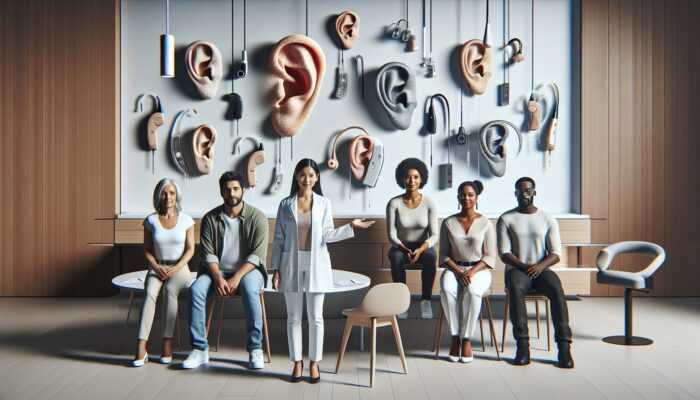
Diverse group wearing modern hearing aids, smiling and conversing, showcasing discreet design and technology.

Hearing aids are sophisticated electronic devices meticulously crafted to amplify sound for those experiencing <a href="https://www.earwaxremoval.net/temporary-hearing-loss-valuable-lessons-for-everyone/">hearing loss</a>. These extraordinary devices significantly enhance users’ ability to perceive sounds and engage in meaningful conversations, ultimately enriching their overall quality of life. By bridging the auditory gap between the surrounding environment and the listener’s hearing capabilities, hearing aids are essential for facilitating social interactions. The technology underpinning these devices has remarkably progressed, resulting in a range of hearing aid types that address diverse auditory needs and personal preferences. Below is an extensive list of the common types of hearing aids available:

  • Behind-the-ear (BTE) hearing aids
  • In-the-ear (ITE) hearing aids
  • In-the-canal (ITC) hearing aids
  • Completely-in-canal (CIC) hearing aids
  • Receiver-in-canal (RIC) hearing aids
  • Bone-anchored hearing systems (BAHA)
  • Rechargeable hearing aids
  • Bluetooth-enabled hearing aids

These varied options empower users worldwide with the flexibility and choice necessary for a personalised auditory experience, meticulously tailored to meet individual lifestyles and hearing requirements.

How Do Hearing Aids Operate to Enhance Sound Clarity?

The functionality of hearing aids is intricate yet captivating. These devices capture sound through an integrated microphone that collects auditory signals from the environment. The captured sound is then converted into digital signals, which are meticulously processed by the hearing aid. After processing, the amplified sound signals are transmitted to the user’s ear through a speaker, significantly improving hearing and communication abilities. This conversion of sound into digital data facilitates sophisticated manipulation of sound frequencies, enabling users to easily distinguish speech, particularly in noisy settings.

The technology driving these devices has experienced substantial advancements, incorporating features that not only amplify sound but also enhance speech clarity. The processing typically utilises advanced algorithms crafted to differentiate among various sounds, which proves particularly beneficial in lively environments, whether it be in a crowded café in Paris or amidst a bustling family gathering in Tokyo.

Key Components of Hearing Aids That Elevate Your Auditory Experience

A hearing aid comprises several essential components that work harmoniously together to deliver an optimal auditory experience. The fundamental components are:

  • Microphone: Captures environmental sounds.
  • Amplifier: Increases the sound signal strength.
  • Speaker: Transmits the amplified sound to the ear.
  • Battery: Powers the device, which may be disposable or rechargeable.
  • Receiver: Converts electrical signals back into sound waves.

Each of these components plays a vital role in the overall operation of hearing aids, ensuring users can experience enhanced sound quality. For instance, the microphone’s sensitivity can greatly affect how effectively the hearing aid functions in various sound environments, making it essential for users to choose a model that aligns with their unique lifestyle.

Explore the Incredible Advantages of Using Hearing Aids

Elderly couple smiling at an outdoor concert, wearing modern hearing aids, enjoying music with a lively crowd.

The benefits of using hearing aids extend far beyond simple sound amplification; they significantly enhance users’ overall quality of life. Improved communication is perhaps the most noticeable advantage, as hearing aids empower individuals to engage in conversations with increased ease. This improvement not only fosters social interaction but also alleviates feelings of loneliness and isolation that often accompany hearing difficulties.

Moreover, hearing aids play a crucial role in supporting mental health by promoting auditory engagement, which is essential for cognitive functionality. Enhanced hearing can lead to positive outcomes in numerous life aspects, from actively engaging in social events to relishing cultural activities such as concerts and theatrical performances. In essence, hearing aids not only enrich the auditory experience but also contribute to a more fulfilled and interconnected life.

Understanding the Science Behind Noise Reduction in Hearing Aids

What Is Noise Reduction Technology and Why Is It Important?

Noise reduction technology in hearing aids is specifically engineered to filter out background noise, allowing users to concentrate on speech and other significant sounds within their environment. This technology is particularly crucial for individuals who find themselves navigating various auditory landscapes, from bustling city streets to serene cafés. A variety of noise reduction technologies are available, each tailored to address different auditory challenges:

  • Adaptive noise reduction
  • Multi-channel noise reduction
  • Feedback cancellation systems
  • Wind noise reduction algorithms
  • Dynamic range compression
  • Sound localisation features
  • Frequency-specific noise filtering
  • Automatic adjustments based on the environment

This cutting-edge technology significantly enhances the effectiveness of hearing aids, particularly in noisy environments, making conversations clearer and far more enjoyable for users.

How Does Directional Microphone Technology Improve Hearing Quality?

A modern hearing aid with a directional microphone, enhancing speech clarity in a noisy café.

Directional microphones represent a pivotal feature in contemporary hearing aids, engineered to focus on sounds emanating from the front while diminishing noise from other directions. This directional capability empowers users to hone in on conversations, particularly in challenging environments where background noise can be overwhelming. The effectiveness of these microphones lies in their ability to differentiate between various sounds, prioritising speech frequencies over ambient noise.

In real-world applications, users experience substantial benefits from directional microphones in numerous settings, such as during meetings or social events. For instance, someone attending a wedding reception can engage in meaningful conversations with friends while minimising distractions from background music or chatter. This feature enables users to fully partake in their social lives, leading to a more connected and enriching experience.

The Essential Role of Digital Signal Processing in Hearing Aids

Digital signal processing (DSP) forms the foundation of many advanced hearing aids available in the market today. This technology encompasses a variety of techniques designed to analyse and modify sound signals in real-time. DSP significantly enhances speech intelligibility while concurrently reducing unwanted background noise, crafting a clearer auditory environment for users.

By employing complex algorithms, DSP is capable of identifying specific sound patterns and adjusting frequencies to ensure that essential auditory cues are emphasised. For instance, when a user finds themselves in a crowded area, DSP can amplify speech sounds while suppressing noise from other conversations or environmental sounds. This capability not only facilitates improved communication but also enriches the user experience, making it easier to engage in conversations, irrespective of surrounding conditions.

Expert Insights on Maximising Speech Clarity in Noisy Environments with Hearing Aids

What Do Audiologists Recommend for Optimal Hearing Aid Utilisation?

Audiologists advocate several strategies to guarantee that hearing aids function effectively, particularly in noisy settings. Routine maintenance is essential, as it helps to sustain the device’s functionality and prolong its lifespan. Audiologists frequently suggest scheduling regular follow-ups to adjust settings based on user experiences and varying environments. For instance, an audiologist may recommend fine-tuning hearing aid settings after a user reports difficulties in understanding speech in a bustling restaurant.

In addition to technical adjustments, audiologists emphasise the significance of user education. Many users are unaware of the diverse features available in their devices, such as noise reduction settings or directional microphones. By gaining a deeper understanding of how to effectively utilise these features, users can greatly enhance their experience in noisy settings, ultimately leading to a more satisfying auditory experience.

How Can Users Optimise the Performance of Their Hearing Aids?

Optimising the performance of hearing aids involves several practical steps that users can easily implement. Firstly, ensuring a proper fit is crucial; poorly fitted hearing aids can lead to sound leakage or discomfort, detracting from the overall listening experience. Users should also prioritise regular cleaning to prevent earwax buildup and debris that can hinder performance.

Furthermore, understanding how to adjust settings based on different environments can significantly amplify the utility of hearing aids. For example, in quieter settings, users may prefer an open setting for a more natural sound, while in noisy environments, activating noise reduction features can be advantageous. Additionally, users should maintain ongoing communication with their audiologists to receive personalised advice tailored to their specific needs. This proactive approach fosters enhanced hearing experiences across various settings, from tranquil parks to bustling marketplaces.

How Does the Environment Influence Hearing Aid Efficiency?

The environment plays a pivotal role in determining how effectively hearing aids function, directly influencing users’ experiences. Factors such as background noise levels, acoustics, and even the physical layout of spaces can significantly affect sound quality and clarity. In a lively urban setting, for instance, elevated levels of ambient noise can challenge even the most advanced hearing aids, underscoring the necessity for users to comprehend their device’s capabilities.

For users who frequently navigate diverse settings, adapting their hearing aids accordingly is crucial. Many modern devices come equipped with adaptive features that automatically adjust settings based on the user’s surroundings. However, users should also be proactive in recognising when they need to make manual adjustments, such as switching to a directional microphone in crowded spaces or increasing amplification in quieter environments. By remaining attuned to their surroundings and responsive to their hearing aids, users can substantially enhance their auditory experiences across various locations.

How Do Hearing Aids Elevate Speech Clarity in Noisy Settings?

What Features Are Essential for Enhancing Speech Clarity?

Numerous features integrated into modern hearing aids significantly contribute to enhancing speech clarity, making communication smoother and more effective for users. Among these features, frequency compression and speech enhancement algorithms are particularly noteworthy. Frequency compression shifts higher frequency sounds to lower frequencies where users may have improved hearing capabilities, ensuring that crucial speech cues are not overlooked.

Additionally, speech enhancement algorithms prioritise speech frequencies over background sounds, rendering conversations clearer and more intelligible even in challenging acoustic environments. For example, in a noisy café or a vibrant party, these features work in concert to amplify the subtle nuances of human speech while diminishing distractions from the surrounding noise. Users who leverage these features often report a more gratifying and connected conversational experience, enabling them to engage more fully with their surroundings.

Understanding the Significance of Frequency Compression

Frequency compression serves as an essential tool in enhancing speech clarity for hearing aid users. This technology is particularly beneficial for individuals with high-frequency hearing loss, where the ability to perceive specific sounds, such as consonants, is diminished. By shifting high-frequency sounds to lower frequencies, frequency compression enables users to hear these critical sounds with greater clarity, significantly aiding in speech comprehension.

In practical terms, this means that users can more easily differentiate between similar-sounding words and phrases, enhancing conversational intelligibility. For instance, a person using a hearing aid with frequency compression may find it simpler to understand a friend discussing plans amidst the background noise of a busy street, as the vital sounds of speech are brought into the frequency range where their hearing is more acute. This feature enhances users’ abilities to engage in conversations across various settings, leading to increased social interaction and confidence.

How Do Speech Enhancement Algorithms Function?

Speech enhancement algorithms are specifically designed to intelligently process sound waves, ensuring that crucial speech frequencies are prioritised over other sounds. These algorithms analyse incoming sound signals, effectively distinguishing between speech and noise. By doing so, they enhance conversation quality, particularly in environments where multiple sounds compete for attention.

In practical terms, this means that when users find themselves in settings such as bustling restaurants or crowded public spaces, these algorithms assist in filtering out distracting noises while amplifying the sounds of nearby voices. This technology profoundly influences users’ ability to communicate effectively, enabling them to engage with family, friends, and colleagues without straining to hear above background noise. Consequently, users often discover increased satisfaction in social settings, leading to more enjoyable interactions and a heightened sense of community involvement.

Groundbreaking Innovations Revolutionising Hearing Aids

What Are the Latest Advancements in Hearing Aid Technology?

The field of hearing aid technology is in a state of continuous evolution, with recent innovations significantly amplifying user experiences. Among the latest advancements are AI-driven sound processing capabilities, which empower hearing aids to adapt in real-time to users’ auditory environments. This innovative technology allows devices to analyse soundscapes and make immediate adjustments, providing a personalised listening experience that was once unimaginable.

Additionally, wireless connectivity enables hearing aids to connect seamlessly with smartphones, televisions, and other devices, greatly enhancing functionality and user convenience. Users can stream music, receive phone calls, or even adjust their hearing aids through intuitive smartphone applications. Furthermore, advancements in battery technology, such as rechargeable options, have simplified device maintenance by eliminating the need for frequent battery replacements. These innovations not only enhance the functionality of hearing aids but also ensure that users enjoy a more integrated and enjoyable auditory experience.

The Impact of Artificial Intelligence on Advancements in Hearing Aids

artificial intelligence (AI) is increasingly becoming integral to the development of modern hearing aids. By leveraging machine learning algorithms, AI can analyse users’ listening habits and preferences, allowing for a customised auditory experience. This technology enables hearing aids to learn from their environments, adjusting settings automatically based on present sounds, such as differentiating between a quiet home environment and a lively outdoor café.

Moreover, AI-driven features can enhance speech recognition and clarity, greatly improving users’ abilities to participate in conversations across varied settings. As AI technology continues to advance, we can anticipate hearing aids becoming even more adept at personalising sound experiences, thereby enhancing user-friendliness and efficiency. The integration of AI not only improves the auditory experience but also fosters greater independence and confidence for users in their daily lives.

Examining Wireless Connectivity and Its Benefits

The emergence of wireless connectivity in hearing aids has transformed the user experience, offering an array of benefits that align with contemporary lifestyles. Wireless technology allows hearing aids to connect with various devices, including smartphones, tablets, and televisions, enabling users to stream audio directly to their hearing aids. This seamless integration enhances usability, making it more straightforward for users to enjoy music, answer phone calls, and watch television without needing additional accessories.

Moreover, wireless connectivity frequently includes smartphone applications that allow users to control their hearing aids directly from their devices. This feature enables quick adjustments to settings based on different environments, significantly enhancing the overall listening experience. For example, users can swiftly switch between modes for a quiet library setting and a lively social gathering with just a few taps on their smartphones. Overall, wireless connectivity fosters a more integrated and convenient auditory experience, empowering users to engage more effectively with the world around them.

Evidence-Based Advantages of Hearing Aids in Noisy Environments

How Do Research Studies Confirm the Effectiveness of Hearing Aids in Noisy Settings?

Research consistently validates that hearing aids significantly enhance speech understanding in noisy environments. Users of hearing aids frequently report improved communication experiences, especially in challenging auditory settings. For instance, studies indicate that individuals wearing hearing aids are better equipped to engage in conversations amidst background noise, leading to increased social interaction and engagement.

Expert analysis of these findings highlights the importance of hearing aids in facilitating clearer communication across diverse environments. Users not only enjoy improved sound quality but also experience a heightened sense of confidence when participating in social situations. This is particularly crucial in varied global contexts, such as navigating busy marketplaces or attending community events, where effective communication is vital for fostering connections and relationships.

What Long-Term Benefits Have Been Identified Through Regular Use of Hearing Aids?

Long-term use of hearing aids has been associated with numerous benefits beyond improved hearing. Research suggests that consistent hearing aid usage can lead to enhanced cognitive function and increased social engagement. Individuals who utilise hearing aids are often more inclined to actively participate in conversations and social activities, contributing to better mental health outcomes and a lowered risk of cognitive decline.

As users become more involved in their communities and maintain social connections, they experience an overall enhancement in their quality of life. This active engagement is crucial in diverse cultural contexts, where social interaction plays a pivotal role in individual well-being. By facilitating communication, hearing aids empower users to lead more fulfilling and connected lives.

Investigating the Psychological Effects of Enhanced Hearing

The psychological impact of improved hearing through the use of hearing aids is profound. Enhanced auditory experiences can significantly diminish feelings of isolation and frustration commonly associated with hearing loss. Users frequently report increased confidence in social settings, allowing them to engage more freely with family and friends without the anxiety of missing out on conversations.

Furthermore, improved hearing can foster a greater sense of independence and empowerment. Users capable of hearing clearly are more likely to participate in activities they previously avoided, such as attending social events or joining community groups. This heightened involvement nurtures a sense of belonging and connection, which is vital for overall psychological well-being. The ripple effect of these improvements can significantly elevate users’ quality of life, illustrating the powerful impact that hearing aids can have.

How Do Hearing Aids Enhance Speech Clarity in Noisy Surroundings?

Hearing aids utilise advanced technologies such as directional microphones and noise reduction algorithms to improve speech clarity in noisy environments. By concentrating on speech sounds while minimising background noise, these devices enable users to engage in conversations more effectively. The integration of these technologies is essential for users who frequently navigate bustling environments, allowing them to communicate comfortably amidst distractions.

For example, in a crowded restaurant, hearing aids can amplify the sounds of nearby conversations while attenuating the clatter of dishes or background music. This capability not only enhances speech clarity but also improves social engagement, allowing users to savour their experiences without feeling overwhelmed by noise. Consequently, hearing aids play a vital role in enriching the overall auditory experience, making daily interactions smoother and more enjoyable.

What Are the Immediate Advantages of Hearing Aids on Speech Perception?

Users often experience immediate and noticeable enhancements in speech perception when employing hearing aids in noisy settings. This improvement allows for better understanding and engagement in conversations, significantly enriching social interactions. The ability to distinguish between speech and background noise provides users with the confidence to actively participate in discussions, whether in intimate gatherings or larger social events.

For instance, someone attending a family reunion may find it easier to join conversations, relishing the company of loved ones without straining to hear. This immediate enhancement not only boosts confidence but also encourages ongoing social participation, reinforcing the significance of hearing aids in improving quality of life. Enhanced speech perception fosters a sense of connection and belonging, showcasing the transformative impact these devices can have on everyday experiences.

Effective Strategies for Users to Adapt to Noisy Environments

What Techniques Can Users Employ in Loud Settings?

Navigating noisy environments can pose challenges for individuals using hearing aids, but implementing effective strategies can substantially enhance their listening experiences. One key technique involves positioning oneself to directly face the speaker, which allows for improved sound directionality and clarity. Additionally, utilising visual cues, such as maintaining eye contact and observing facial expressions, can support auditory information processing.

Here’s a list of practical tips for users:

  • Position yourself to face the speaker directly.
  • Minimise background noise whenever possible by opting for quieter settings.
  • Utilise visual cues, such as lip reading, to aid comprehension.
  • Request clarification if speech is unclear.
  • Take breaks in noisy environments to prevent auditory fatigue.
  • Employ directional microphones to focus on specific sounds.
  • Practice active listening techniques to enhance engagement.
  • Experiment with various hearing aid settings for different situations.

By employing these strategies, users can significantly improve their auditory experiences, fostering better communication and social interactions even in bustling settings.

The Importance of Lip Reading and Visual Cues in Effective Communication

Lip reading and visual cues are critical in enhancing understanding, particularly in noisy environments where auditory signals may be compromised. For individuals with hearing loss, supplementary visual information can enrich their ability to comprehend spoken language, facilitating more effective communication.

By focusing on the speaker’s lip movements, facial expressions, and gestures, users can gain additional context and meaning, thereby enhancing their understanding of conversations. This is particularly beneficial during social gatherings, where background noise may hinder auditory clarity. Encouraging users to engage in eye contact and be aware of visual cues can foster a more interactive and fulfilling communication experience. Incorporating these practices into daily interactions can help users navigate challenging auditory environments more smoothly.

Utilising Assistive Listening Devices for Improved Communication

Assistive listening devices (ALDs), such as FM systems, can serve as invaluable tools for hearing aid users, particularly in noisy environments. These devices enhance sound clarity by transmitting audio directly to the user’s hearing aids, minimising background noise interference. For instance, in a classroom setting or during presentations, ALDs can ensure that speakers’ voices are heard clearly, significantly improving comprehension.

Users can benefit from employing ALDs in various contexts, including lectures, social gatherings, or even one-on-one conversations in busy places. By merging hearing aids with ALDs, individuals can create a more customised auditory experience, ensuring they can fully engage with their environment. This integration not only enhances communication but also promotes social participation, empowering users to navigate diverse auditory landscapes more effectively.

Practising Active Listening Techniques for Enhanced Engagement

Active listening is essential for effective communication in any setting, requiring full concentration on the speaker and accurate information processing. Users can enhance their comprehension by requesting clarification when necessary and summarising what has been said to confirm understanding. This technique is particularly beneficial in noisy environments, where distractions may impede auditory processing.

To effectively practice active listening, users should focus on the speaker, maintain eye contact, and provide verbal affirmations to signify engagement. Additionally, they can take notes or ask questions to clarify points of confusion. These techniques foster a deeper connection between the speaker and listener, enhancing the overall quality of interactions. By adopting active listening strategies, users can significantly improve their communication experiences, even in challenging auditory environments.

Crucial Maintenance and Care for Hearing Aids

How Often Should Hearing Aids Be Cleaned for Optimal Performance?

Regular cleaning of hearing aids is crucial for maintaining optimal performance and extending their lifespan. Ideally, users should clean their devices daily to prevent the accumulation of earwax and debris that can compromise sound quality. Simple cleaning routines can effectively keep hearing aids in peak condition, ensuring reliable functionality.

Users can employ various cleaning methods tailored to their device type. For instance, wiping the outer casing with a soft, dry cloth can remove dust and oils, while a soft brush can help eliminate debris from microphones and speakers. Additionally, utilising specialised cleaning kits designed for hearing aids can further enhance cleanliness and performance. By committing to a consistent cleaning routine, users can ensure their hearing aids remain effective tools for communication.

Best Practices for Storing and Handling Hearing Aids

Proper storage and handling of hearing aids are essential for their longevity and effectiveness. Users should store their devices in a dry, cool place, ideally in a protective case to prevent damage. Moreover, handling hearing aids with clean hands can minimise the transfer of dirt and oils, contributing to their maintenance.

When not in use, users should consider removing batteries or placing the device in a dehumidifier to prevent moisture buildup. These precautions are particularly important in humid climates, where moisture can adversely affect electronic components. By adhering to proper storage and handling techniques, users can prolong the life of their hearing aids, ensuring they remain reliable companions for years to come.

When Should Users Seek Professional Maintenance for Their Hearing Aids?

While regular care and maintenance can prevent many issues, users should be mindful of when to seek professional assistance with their hearing aids. If individuals notice any changes in sound quality, such as distortion or muffled sounds, it may indicate a need for professional maintenance. Furthermore, if the device is not functioning as expected, seeking help from an audiologist or hearing care professional is advisable.

Professional maintenance may involve cleaning, repairs, or adjustments to settings to optimise performance. Users should also consider scheduling routine check-ups to assess the overall condition of their hearing aids, ensuring they receive timely interventions when necessary. By maintaining an open line of communication with hearing care professionals, users can avoid potential issues and ensure their devices function effectively.

Future Innovations and Trends in Hearing Aid Technology

What Exciting Developments Are on the Horizon for Hearing Aids?

The future of hearing aid technology promises exhilarating advancements that will further enhance user experiences. Innovations are anticipated to focus on making devices more discreet while amplifying functionality and connectivity. As technology continues to evolve, we can expect hearing aids that seamlessly integrate into daily life, offering users unparalleled convenience and auditory clarity.

Future designs may introduce features such as advanced AI-driven sound processing capabilities that adapt to users’ environments in real time. These enhancements will likely prioritise user comfort and satisfaction, allowing for a more natural listening experience. As research and development progress, hearing aids will become increasingly user-friendly, catering to the diverse requirements of individuals globally.

The Promise of Fully Implantable Hearing Aids

The concept of fully implantable hearing aids represents a groundbreaking advancement in auditory technology. By eliminating the need for external devices and batteries, these implants provide a seamless solution for users, offering a discreet and effective means of enhancing hearing. As this technology advances, it could revolutionise how individuals experiencing hearing loss engage with sounds.

Fully implantable systems have the potential to deliver consistent sound quality while eliminating concerns related to maintenance and management of external devices. As research continues to progress in this area, we can anticipate significant developments that will make these implants a viable option for a broader range of users, ultimately enhancing accessibility to effective hearing solutions.

How Will AI Continue to Shape the Future of Hearing Aids?

The role of artificial intelligence (AI) in hearing aid development is poised to expand, driving innovation and personalisation. AI’s ability to perform real-time sound analysis and implement adaptive features will likely enhance the performance of hearing aids, making them more effective and user-friendly. As AI technology evolves, hearing aids will increasingly learn from user preferences and listening habits, allowing for tailored auditory experiences in diverse environments.

Moreover, AI could facilitate advancements in remote monitoring and adjustments, enabling hearing care professionals to provide assistance without requiring users to frequently visit clinics. This capability will enhance accessibility and convenience, allowing users to maintain optimal hearing experiences effortlessly. As AI continues to influence the future of hearing aids, users can anticipate increasingly sophisticated devices that improve communication and enhance overall quality of life.

Frequently Asked Questions Regarding Hearing Aids

What are hearing aids and their principal purpose?

Hearing aids are electronic devices designed to amplify sound for individuals with hearing loss, enhancing their ability to communicate effectively and engage in social interactions.

How do hearing aids operate and improve sound perception?

Hearing aids capture sound through a microphone, convert it into digital signals, and amplify it for the user’s ear via a speaker, enhancing overall hearing capabilities.

What types of hearing aids are currently available?

Common types of hearing aids include behind-the-ear (BTE), in-the-ear (ITE), and completely-in-canal (CIC) models, among others, catering to various preferences and needs.

What is the significance of noise reduction technology in hearing aids?

Noise reduction technology filters out background noise to help users focus on speech, thereby enhancing communication in noisy environments.

How does directional microphone technology contribute to improved hearing?

Directional microphones focus on sounds from the front, reducing noise from other directions and enhancing speech clarity in noisy settings, facilitating better communication.

What maintenance practices are necessary for hearing aids?

Hearing aids should be cleaned regularly, stored properly, and checked by a professional for maintenance and adjustments when necessary to ensure optimal performance.

How can users maximise the performance of their hearing aids?

Users can optimise performance by ensuring a proper fit, regularly cleaning their devices, and using appropriate settings for different environments to enhance their auditory experience.

What are the psychological benefits associated with using hearing aids?

Using hearing aids can reduce feelings of isolation, improve social engagement, and enhance overall mental well-being by facilitating better communication and interactions.

What future innovations can we expect in hearing aids?

Future innovations in hearing aids may include fully implantable devices, advanced AI capabilities, and increased wireless connectivity for enhanced user experiences and convenience.

How can users adapt effectively to noisy environments?

Users can adapt by facing speakers, utilising visual cues, and employing assistive listening devices to improve communication clarity in noisy settings.

Explore our world on X!

The post Hearing Aids: Enhancing Speech Clarity in Noisy Environments appeared first on The Microsuction Ear Wax Removal Network.

The post Hearing Aids: Enhancing Speech Clarity in Noisy Environments appeared first on Healthcare Marketing Service.

Categories
Health & Wellness Hearing Aids

Hearing Aid Comfort: Key to Meeting Everyone’s Needs

Exploring the Importance of Comfort in Hearing Aids

How Does Comfort Influence Hearing Aid Usage and Longevity?

A serene person with a well-fitted hearing aid, smiling in a cozy, sound-rich environment.

The comfort level of hearing aids is a pivotal factor that affects how often and how long users choose to wear these essential devices. When hearing aids are crafted to fit well and offer a pleasant experience, users are notably more inclined to wear them on a regular basis. This habitual usage is directly linked to the effectiveness of hearing aids in improving an individual’s auditory experience. Conversely, any discomfort can result in users discarding these essential devices entirely. Several elements play a significant role in the overall comfort of hearing aids, such as:

  • Fit and size of the device
  • Material composition
  • Weight and bulkiness
  • Ear canal shape and sensitivity
  • Adjustable features
  • Noise reduction capabilities
  • Temperature and moisture resistance

By understanding these critical factors, manufacturers can create more desirable hearing aids that prioritise user comfort. For instance, a device that fits well and evenly distributes its weight across the ear can effectively minimise pressure points, thus enhancing overall wearability. This focus on comfort is essential for fostering user satisfaction, which plays a crucial role in promoting long-term adoption of hearing aids.

The Positive Influence of Comfort on Daily Activities

Comfortable hearing aids play a significant role in enhancing the overall quality of life for users. When individuals feel at ease with their devices, they are more likely to participate in social interactions and professional engagements without hesitation. The ability to hear clearly without the distraction of discomfort allows users to concentrate better on conversations, actively take part in gatherings, and enjoy various recreational activities, thereby enriching their daily experiences.

Moreover, this increased comfort cultivates a profound sense of inclusion and empowerment. Users who can fully engage with their surroundings are more likely to communicate confidently and sustain meaningful relationships. This improved connectivity not only enhances social skills but also positively influences mental health by alleviating feelings of isolation and anxiety that commonly accompany hearing loss, thereby promoting a healthier emotional state.

How Can We Overcome Comfort Barriers to Hearing Aid Adoption?

The discomfort associated with hearing aids represents a significant barrier that prevents many potential users from embracing these vital devices. Numerous individuals experiencing hearing loss may hesitate to seek assistance due to fears of discomfort or societal stigma. Such decisions can lead to untreated hearing loss, ultimately resulting in severe implications for overall health and well-being.

The perception of discomfort, often exacerbated by poorly fitting devices, can create a negative feedback loop where users associate hearing aids with pain rather than improved hearing. By prioritising comfort in the design and functionality of hearing aids, manufacturers can help disrupt this cycle, making it easier for individuals to embrace these solutions and enhance their auditory experiences.

Expert Insights on the Importance of Comfort in Hearing Aids

Elderly person smiling, wearing advanced hearing aids, surrounded by sound waves and soft light.

What Do Audiology Experts Say About the Importance of Comfort?

Professionals in the realms of audiology and hearing technology universally acknowledge that comfort is a fundamental element of successful hearing aid usage. They emphasise that a comfortable device not only promotes consistent wear but also maximises the benefits of hearing aids. For example, audiologists consistently observe that patients who prioritise comfort report significantly higher satisfaction levels with their devices.

Real-world studies illustrate the importance of comfort; for instance, a study involving a group of hearing aid users found that greater comfort resulted in longer daily usage durations. These users indicated that comfortable hearing aids enabled them to engage in social situations without the burden of pain or irritation, ultimately leading to a more fulfilling and enriching daily life.

What Strategies Can Manufacturers Implement to Enhance Comfort?

Manufacturers have numerous actionable measures they can take to improve the comfort of hearing aids. Firstly, investing in high-quality, hypoallergenic materials that reduce irritation for users with sensitive skin is essential. Ergonomic designs that take into account various ear shapes and sizes can significantly enhance fit and comfort, allowing for prolonged wear without discomfort.

Moreover, incorporating adjustable features that cater to individual preferences can provide users with a more tailored experience. For instance, modular designs that enable users to change components based on their comfort requirements can be advantageous. Continuous feedback from users is paramount in this process, as it allows manufacturers to pinpoint specific comfort issues and address them effectively, thus enhancing the overall user experience.

What Does the Future Hold for Comfort in Hearing Technology?

A futuristic ear with a custom-fitted, 3D-printed hearing device, enhancing comfort, against a vibrant, promising backdrop.

The future of hearing technology appears promising, with ongoing advancements aimed at enhancing comfort. Innovations such as 3D printing technology allow for the creation of custom-fitted devices that specifically cater to the unique contours of each user’s ear, ensuring a snug and comfortable fit. Additionally, advancements in materials science are leading to softer, lighter, and more durable components that significantly improve the overall wearing experience.

Emerging technologies, including artificial intelligence, have the potential to further personalise comfort levels by adapting devices to the user’s environment in real-time. This adaptability can significantly reduce discomfort while enhancing user satisfaction, making hearing aids more appealing to a wider audience and encouraging long-term usage.

The Connection Between Physical Comfort and Hearing Aid Design

Which Materials Are Most Effective in Enhancing Hearing Aid Comfort?

The choice of materials used in hearing aid design has a profound effect on physical comfort. Soft, hypoallergenic materials like silicone and thermoplastic elastomers greatly enhance the wearing experience by minimising friction and irritation. These materials are not only gentle on the skin but also allow for a more flexible fit that accommodates the natural movement of the ear.

Furthermore, advancements in material technology are paving the way for lightweight yet durable components that enhance comfort without compromising functionality. Striking a balance between comfort and performance is essential to ensure that users can wear their devices for extended periods without discomfort. As manufacturers continue to explore new materials, the potential for improved comfort in hearing aids remains significant.

How Does Design Impact the Physical Comfort of Hearing Aids?

The design of hearing aids is instrumental in determining how comfortable they feel during use. Several design features can significantly enhance comfort, including:

  • Compact size that reduces bulkiness
  • Customisable ear molds for an accurate fit
  • Lightweight construction to minimise pressure
  • Ergonomic shapes that align with the contours of the ear
  • Ventilation systems to reduce moisture accumulation
  • Adjustable elements that cater to individual preferences
  • Low-profile designs that are discreet and unobtrusive

By prioritising these design elements, manufacturers can create hearing aids that users find significantly more pleasant to wear. A well-designed hearing aid not only considers the auditory experience but also the physical comfort of the user, ultimately leading to increased satisfaction and adherence to usage.

What Are the Latest Trends in Comfortable Hearing Aid Designs?

Current trends in hearing aid design focus heavily on minimising the physical burden of wearing these devices. Innovations like ultra-thin technology and miniaturisation enable manufacturers to produce smaller devices that are less noticeable and more comfortable for daily wear.

Additionally, adaptive designs are gaining traction, allowing devices to adjust based on the user’s activities or surroundings. For instance, some hearing aids now feature automatic setting adjustments when transitioning from a quiet environment to a noisy one. This not only improves the auditory experience but also lessens discomfort that may arise from frequent manual adjustments, making them more user-friendly.

These trends signify a shift towards more user-centric designs that prioritise comfort without sacrificing performance. As technology continues to advance, the focus on comfort will likely remain a pivotal aspect of hearing aid innovation.

The Psychological Dimensions of Comfort and User Experience

How Does Comfort Affect Mental Well-being for Hearing Aid Users?

The psychological implications of comfort in hearing aids are significant. Users who experience physical discomfort with their devices often report heightened stress and anxiety associated with their hearing loss. Conversely, comfortable hearing aids can alleviate these negative feelings, leading to improved well-being and enhanced mental health.

When users feel at ease with their hearing aids, they are more inclined to engage in social interactions, which can significantly boost emotional health and reduce feelings of isolation. This positive feedback loop underscores the importance of comfort in not only improving hearing outcomes but also enhancing mental well-being, empowering users to lead fuller lives.

How Does Comfort Influence a User’s Confidence?

Comfort is intrinsically linked to a user’s confidence. When individuals wear hearing aids that fit well and feel comfortable, they are more likely to feel self-assured in social settings. This newfound confidence enables users to engage in conversations and participate in group events without the fear of discomfort or embarrassment.

Research indicates that users who report high levels of comfort with their devices often experience greater independence and self-esteem. By enhancing comfort through thoughtful design and material selections, manufacturers can empower users to feel more confident, ultimately leading to richer social interactions and a more fulfilling daily life.

What Role Does Comfort Play in User Satisfaction?

User satisfaction is closely linked to the comfort of hearing aids. A comfortable device significantly enhances the wearing experience and has a direct influence on how effectively users can hear and engage with their environments. Satisfied users are more likely to consistently wear their devices, resulting in better auditory health outcomes.

It is crucial for manufacturers to prioritise user feedback when evaluating comfort levels. Continuous improvements based on real-world user experiences can help optimise comfort and enhance overall satisfaction. By establishing a clear connection between comfort and satisfaction, companies can better meet the needs of their users and promote consistent usage.

How Does Comfort Influence Long-Term Hearing Aid Usage?

The comfort of hearing aids directly affects long-term usage patterns. Comfortable devices encourage users to wear them consistently, which is essential for maintaining auditory health. Research highlights that users who find their hearing aids comfortable report higher levels of adherence to wearing them, leading to improved hearing outcomes over time.

Furthermore, as users incorporate comfortable hearing aids into their daily routines, the habitual use of these devices can greatly enhance their overall quality of life. This sustained engagement fosters a positive association with hearing aids, countering any initial reluctance that may accompany adoption, and ultimately leading to a healthier, more connected lifestyle.

Evidence-Based Benefits of Prioritising Comfort in Hearing Aids

What Insights Does Research Provide About Comfort and Compliance?

Research establishes a robust correlation between comfort and compliance in hearing aid usage. Studies indicate that users who prioritise comfort report significantly higher daily wear times and enhanced satisfaction with their devices. Expert analyses suggest that improving comfort levels not only enhances user experience but also promotes consistent usage, which is crucial for maximising the benefits of hearing aids.

Moreover, longitudinal studies reveal that individuals with comfortable hearing aids are more likely to maintain their devices over the long term, contributing to sustained auditory health and improved communication abilities. This evidence highlights the necessity of integrating comfort into the design and functionality of hearing aids as a means of promoting user compliance and satisfaction.

How Does Comfort Impact Hearing Health Outcomes?

The significance of comfort on hearing health outcomes is profound. Comfortable hearing aids lead to increased usage, which directly correlates with improved hearing health. Users who consistently wear their devices can experience enhancements in communication, social engagement, and overall life satisfaction.

Research shows that the prolonged use of comfortable hearing aids can slow the progression of hearing loss and improve cognitive function. By ensuring that users feel good in their devices, manufacturers can contribute to better long-term hearing health outcomes and an elevated quality of life for their customers.

What Long-Term Advantages Are Associated with Using Comfortable Hearing Aids?

The long-term benefits of comfortable hearing aids extend beyond mere auditory enhancements. Users who wear their devices comfortably are more likely to experience consistent usage, which is vital for preserving hearing health over time. Additionally, comfortable hearing aids can foster greater social interactions, leading to improved emotional well-being and reduced feelings of isolation.

As users grow accustomed to their devices, they develop a positive relationship with hearing aids, which can help diminish stigma and promote acceptance. This shift in perception encourages individuals to seek help for hearing loss earlier, paving the way for better auditory health outcomes and an overall improved quality of life.

Comfort and Accessibility in Hearing Aids

How Does Comfort Influence Accessibility for Hearing Aid Users?

Comfort plays an essential role in the accessibility of hearing aids for a diverse range of users. Comfortable devices are more likely to be embraced by individuals with varying physical abilities and sensitivities. By prioritising comfort, manufacturers can develop hearing aids that cater to a broader audience, ensuring inclusivity in hearing solutions and making them more accessible to all.

Furthermore, comfortable hearing aids can bridge gaps for users with unique needs, such as those with dexterity challenges or sensory sensitivities. When devices are designed with comfort in mind, they become more accessible, enabling a wider array of individuals to benefit from enhanced hearing capabilities and improved quality of life.

What Are the Accessibility Challenges Associated with Comfort in Hearing Aids?

While comfort is crucial for accessibility, several challenges persist in creating universally comfortable devices. Ensuring comfort for all users can be particularly challenging for those with unique physical needs. Some key accessibility challenges related to comfort include:

  • Variability in ear shapes and sizes
  • Different skin sensitivities and allergies to materials
  • Lack of adjustable features for individual comfort
  • Physical limitations that affect the ability to wear certain designs
  • Weight and bulkiness that may deter use
  • Limited options for customisation
  • Inadequate user support for adjustments

Addressing these challenges is imperative for manufacturers aiming to create genuinely accessible hearing aids that meet the diverse needs of all users, ensuring that everyone can benefit from improved auditory experiences.

What Strategies Can Improve Comfort for Diverse Hearing Aid Users?

Tailoring hearing aids to meet the comfort needs of diverse users is essential for broader accessibility. Manufacturers can implement several strategies to enhance comfort across various user profiles. Firstly, offering customisable options—such as adjustable ear molds or interchangeable components—can effectively cater to individual preferences.

Moreover, incorporating user feedback mechanisms can guide manufacturers in understanding unique comfort needs and addressing them effectively. Training audiologists and hearing professionals to recognise and prioritise comfort during fittings can also significantly enhance the overall experience for users, ensuring that their specific requirements are met.

By focusing on these strategies, manufacturers can create hearing aids that prioritise comfort while promoting inclusivity, ensuring that all users can benefit from enhanced hearing capabilities and a better quality of life.

Innovations in Comfort-Focused Hearing Aid Design

Recent advancements in hearing aid technology increasingly focus on enhancing comfort, thereby improving accessibility for all users. Innovations such as soft-touch materials, lightweight designs, and customisable features create a more personalised and enjoyable wearing experience.

Additionally, manufacturers are exploring smart technologies that adjust settings based on user activities, reducing the need for manual adjustments that can lead to discomfort. These innovations not only enhance the functionality of hearing aids but ensure that users feel comfortable while wearing them, fostering a more positive relationship with their devices.

As the industry continues to evolve, the growing emphasis on comfort will undoubtedly result in more inclusive designs that cater to the diverse needs of users worldwide, enhancing accessibility and user satisfaction in hearing aids.

Technological Innovations Enhancing Comfort

How Do New Technologies Contribute to Improved Comfort in Hearing Aids?

Advanced technologies are fundamentally transforming how hearing aids enhance user comfort. Innovations such as artificial intelligence and machine learning enable devices to automatically adapt to the user’s environment, optimising sound quality while minimising discomfort. These technologies facilitate seamless transitions between various auditory settings, enriching the user’s experience without necessitating manual adjustments.

Furthermore, miniaturisation technology is leading to smaller, lighter devices that alleviate the physical burden on users. With reduced weight and bulk, users can comfortably wear their hearing aids for extended periods, significantly improving adherence and overall satisfaction with the devices.

What Is the Role of Customisation in Enhancing Comfort?

Customisation is a vital aspect of boosting the comfort of hearing aids. Features that allow users to adjust their devices according to personal preferences and unique needs can greatly enhance the overall experience. For instance, the ability to modify settings such as volume, frequency response, and noise cancellation can substantially improve user satisfaction.

Moreover, providing customizable ear molds that fit the specific contours of an individual’s ear can alleviate pressure points and enhance wearability. These tailored solutions ensure that users can enjoy their hearing aids without the burden of discomfort, ultimately fostering a more positive, satisfying relationship with their devices.

What Are the Future Prospects for Comfort Technology in Hearing Aids?

The future of hearing aid technology looks promising, with ongoing innovations aimed at enhancing comfort. As the industry continues to prioritise user experience, we can anticipate advancements in materials engineering that lead to softer, more flexible devices that accommodate various ear shapes and sizes.

Moreover, the integration of smart technologies is likely to enhance comfort by allowing users to further personalise their hearing experiences. Future devices may incorporate health monitoring features that provide hearing assistance while also tracking user wellness, creating a holistic approach to auditory health.

In summary, the prospects for comfort technology in hearing aids are bright, with exciting developments on the horizon that will significantly enhance the overall user experience and satisfaction.

How Does Connectivity Improve Comfort in Hearing Aids?

Wireless connectivity is revolutionising how users interact with their hearing aids, significantly enhancing comfort and convenience. With the ability to connect to smartphones and other devices, users can easily adjust settings and manage their hearing experiences without needing to manipulate their devices directly.

This seamless integration offers greater versatility, enabling users to switch effortlessly between various audio sources. For example, users can enjoy music, phone calls, and other audio content while maintaining optimal hearing comfort. By reducing the friction associated with traditional manual adjustments, connectivity enhances overall user satisfaction and encourages consistent usage of hearing aids.

The Importance of Ergonomic Design on User Comfort

Ergonomic design is critical in creating hearing aids that prioritise user comfort. By focusing on the natural shape of the ear, manufacturers can develop devices that fit snugly without causing irritation. Features such as contoured edges and adjustable components ensure a personalised fit, allowing users to wear their hearing aids comfortably for extended periods.

Incorporating ergonomic principles into the overall design also helps prevent physical strain, promoting a more enjoyable wearing experience. As manufacturers continue to explore ergonomic innovations, we can expect to see increasingly comfortable options emerging in the market, enhancing user satisfaction and adherence.

Utilising User Feedback for Comfort Optimisation in Hearing Aids

How Does User Feedback Shape Comfort Enhancements?

User feedback is invaluable in the ongoing effort to optimise comfort in hearing aids. By gathering insights from real users, manufacturers can identify common comfort-related issues and make informed adjustments to their designs. This direct communication channel facilitates a more user-centric approach, ensuring that comfort remains a priority throughout the development process.

Feedback mechanisms such as surveys, focus groups, and user trials provide essential data that inform innovation. Actively involving users in the design process enables manufacturers to better understand the nuances of comfort and create devices that resonate with their target audience, ultimately enhancing user satisfaction.

Why Is Continuous Improvement of Comfort Essential?

Continuous improvement in comfort is essential to meet the ever-evolving needs of hearing aid users. As technology progresses and user preferences shift, manufacturers must remain proactive in enhancing the comfort of their devices. This commitment to ongoing innovation ensures that users always have access to the most comfortable solutions available.

Additionally, fostering a culture of continuous improvement builds trust between manufacturers and users. When individuals see their feedback is taken seriously and results in tangible changes, they are more likely to remain loyal to the brand and recommend devices to others, thereby enhancing market presence and user satisfaction.

What Are Effective Strategies to Collect User Feedback?

Collecting effective user feedback is crucial for optimising hearing aid comfort. Some strategies that can be employed include:

  • Conducting detailed user surveys to assess comfort levels
  • Implementing focus groups for in-depth discussions
  • Utilising user trials to gather real-world insights
  • Establishing online forums for users to share experiences
  • Encouraging reviews and testimonials on product websites
  • Collaborating with audiologists to collect patient feedback

These approaches create a comprehensive understanding of user needs and preferences, guiding manufacturers in their efforts to optimise comfort. By prioritising user feedback, manufacturers can ensure that comfort remains a key focus in their design considerations, leading to enhanced user satisfaction and device effectiveness.

Frequently Asked Questions Regarding Hearing Aid Comfort

Why Is Comfort Crucial for Hearing Aid Users?

Comfort is essential for hearing aid users because it directly affects their willingness to wear the devices consistently. Comfortable hearing aids improve user satisfaction and lead to better auditory health outcomes, making them vital for successful hearing management.

How Does Uncomfortable Hearing Aid Design Affect User Compliance?

Uncomfortable hearing aid designs can lead to reduced usage and even abandonment of the devices, resulting in untreated hearing loss and negative impacts on overall well-being and quality of life.

What Materials Are Most Effective for Enhancing Hearing Aid Comfort?

Soft, hypoallergenic materials such as silicone and thermoplastic elastomers are ideal for improving comfort as they minimise irritation and provide a flexible fit that accommodates various ear shapes.

How Can Manufacturers Enhance the Comfort of Hearing Aids?

Manufacturers can improve comfort by using high-quality materials, implementing ergonomic designs, and incorporating customisable features that cater to individual user preferences and needs, thereby ensuring a more pleasant wearing experience.

What Role Does User Feedback Play in Enhancing Comfort in Hearing Aids?

User feedback is vital for identifying comfort-related issues and guiding manufacturers in making necessary adjustments to improve the overall comfort of hearing aids, thus increasing user satisfaction and compliance.

How Does Comfort Influence the Mental Well-being of Hearing Aid Users?

Comfortable hearing aids can significantly alleviate stress and anxiety associated with hearing loss, resulting in improved mental health outcomes and a greater sense of social inclusion among users.

What Are Some Common Challenges Related to Hearing Aid Comfort?

Common challenges include variability in ear shapes, diverse skin sensitivities, and the need for adjustable features that accommodate individual comfort levels, highlighting the importance of addressing these issues in designs.

What Future Innovations Can We Expect in Hearing Aid Comfort Technology?

Future innovations may encompass advanced materials, improved customisation options, and smart technologies that adapt to the user’s environment, further enhancing comfort and user experience in hearing aids.

How Does User Confidence Relate to Hearing Aid Comfort?

Comfortable hearing aids contribute to user confidence, allowing individuals to engage more fully in social situations without fear of discomfort or embarrassment, thereby enhancing their overall quality of life.

Why Is Continuous Improvement of Comfort in Hearing Aids Crucial?

Continuous improvement of comfort is vital to meet the evolving needs of users, ensuring that hearing aids remain effective, accessible, and enjoyable to wear over time, ultimately leading to improved auditory health outcomes.

Explore our world on X!

The post Hearing Aid Comfort: Essential for Everyone’s Needs appeared first on The Microsuction Ear Wax Removal Network.

The post Hearing Aid Comfort: Essential for Everyone’s Needs appeared first on Healthcare Marketing Service.

Categories
Health & Wellness Hearing Aids

Hearing Aid Users: Key Tips for Beginners

Unveiling the Cutting-Edge Technology Behind Hearing Aids

How Do Contemporary Hearing Aids Function to Enhance Hearing?

Contemporary hearing aids are state-of-the-art technological devices expertly engineered to amplify sound, thereby significantly improving auditory perception for users. These extraordinary devices convert sound waves into electrical signals, which are then meticulously processed and relayed directly to the ear. This intricate technology consists of various components that work harmoniously to provide users with enhanced hearing capabilities. Understanding the complex functionality of these devices is crucial for new users who wish to optimise their auditory experience and utilise them effectively in everyday life.

The fundamental components that make hearing aids highly effective include:

  • Microphone: Captures ambient sounds from the surrounding environment, ensuring clarity.
  • Amplifier: Boosts the volume of incoming sounds for improved auditory perception.
  • Speaker: Transmits the amplified sounds directly into the ear for a seamless listening experience.
  • Receiver: Converts electrical signals back into recognisable sound waves for natural hearing.
  • Batteries: Provide the necessary power to operate the device efficiently.
  • Digital Signal Processor (DSP): Processes audio signals digitally for enhanced clarity and superior sound quality.
  • Control Buttons: Enable users to easily adjust settings according to their preferences.
  • Vent: Assists in balancing sound and minimising the feeling of occlusion in the ear.

By understanding these essential components, users can make informed decisions regarding their hearing aids, ultimately leading to a richer auditory experience overall.

Discovering the Varied Types of Hearing Aids Available

A diverse range of hearing aids is available on the market, each specifically designed to accommodate different degrees of hearing loss and user preferences. The primary classifications include: behind-the-ear (BTE), in-the-ear (ITE), in-the-canal (ITC), and completely-in-the-canal (CIC) models. Each type offers unique advantages and is engineered to meet specific auditory requirements.

BTE hearing aids are worn behind the ear and are linked to a custom earmold that fits securely within the ear canal. These aids are particularly effective for individuals experiencing more severe hearing loss and often come equipped with various features, including wireless connectivity options. Conversely, ITE hearing aids are custom-fitted to the outer ear, providing ease of use and superior sound processing capabilities.

ITC hearing aids are smaller in size and fit partially within the ear canal, making them less visible while still delivering significant amplification. CIC models represent the most compact style of hearing aids available, offering a discreet solution for users while effectively enhancing sound. Choosing the appropriate type depends on multiple factors, including the severity of hearing loss, lifestyle, and personal preferences.

Key Features to Evaluate When Selecting Hearing Aids

Modern hearing aids are equipped with a multitude of features that significantly enhance both usability and performance. When selecting a hearing aid, it’s essential to consider various features that cater specifically to individual needs. Key features to take into account include:

  • Noise Reduction: Effectively minimises background noise to provide clearer sound quality.
  • Directional Microphones: Focus on sounds originating from a specific direction, enhancing clarity.
  • Bluetooth Connectivity: Facilitates seamless connections to smartphones and other devices for added convenience.
  • Rechargeable Batteries: Offer convenience and potential long-term cost savings over time.
  • Feedback Cancellation: Reduces annoying whistling noises caused by feedback, improving listening comfort.
  • Multiple Listening Programs: Adjust settings for varying environments and situations for optimal performance.
  • Water Resistance: Protects the device from moisture-related damage, ensuring longevity.
  • App Integration: Allows users to make easy adjustments via a smartphone application, enhancing user control.

A thorough understanding of these features can significantly enhance the user experience, ensuring that the chosen hearing aid aligns with individual auditory requirements.

Professional Insights for Individuals New to Hearing Aids

Diverse group of new hearing aid users receiving guidance from an audiologist in a modern clinic.

What Are the Best Practices for Maintaining Hearing Aids Effectively?

Proper maintenance is crucial for prolonging the lifespan of hearing aids and ensuring optimal performance. Regular cleaning and appropriate storage are vital aspects of upkeep. Users should prioritise daily cleaning to prevent the accumulation of wax and debris, which can severely impact sound quality.

For efficient cleaning, a soft, dry cloth is ideal for the exterior, while a small brush or a specialised tool can effectively remove wax from the microphone and receiver openings. Furthermore, it is essential for users to store their hearing aids in a dry, cool environment, employing a dehumidifier when necessary, particularly in humid climates.

Real-world maintenance routines can vary significantly based on geographical and climatic conditions. For instance, a user in tropical regions may need to clean their hearing aids more frequently due to elevated humidity levels, while someone residing in drier climates might encounter fewer issues. Regular consultations with an audiologist for professional cleaning and check-ups are also highly recommended to ensure devices are functioning at their best.

How Can Users Effectively Adapt to Their New Hearing Aids?

Adapting to hearing aids is a gradual process that necessitates patience and practice. New users often require time to adjust to the amplified sounds surrounding them. To facilitate a smoother transition, it is advisable to begin wearing the devices for short durations, gradually increasing wear time as comfort improves.

Here are actionable steps to assist with adapting to hearing aids:

  • Start Small: Initially wear the aids for just a few hours each day to build comfort.
  • Choose Quiet Environments: Start the adaptation process in quieter settings to ease into listening.
  • Practice with Family or Friends: Engage in conversations with familiar voices to build confidence.
  • Record Sounds: Use a voice recorder to become accustomed to your own voice and its clarity.
  • Adjust Settings Gradually: Familiarise yourself with different programs and settings to enhance usability.
  • Be Patient: Allow your brain ample time to adjust to the new sounds and sensations.
  • Seek Support: Join support groups or connect with other users for shared advice and experiences.
  • Consult Professionals: Regularly meet with your audiologist for tailored guidance and support.

By implementing these strategies, users can navigate their transition into a new life with hearing aids more effectively and confidently.

What Should Users Understand About the Lifespan of Hearing Aid Batteries?

Close-up of hearing aid batteries, new and used, on a cool, dry surface with a battery tester and hearing aid nearby.

Understanding the intricacies of hearing aid battery life is vital for avoiding unexpected power loss. Generally, batteries can last from a few days to several weeks, influenced by the type of device, usage patterns, and features employed. Regularly monitoring battery levels is essential to maintaining functionality and avoiding interruptions.

Users should keep a vigilant eye on battery levels and replace them as needed, utilising a battery tester if accessible. Additionally, proper battery storage can influence longevity; they should be kept in a cool, dry location and removed from the hearing aids when not in use to prolong their lifespan.

Many modern hearing aids now offer rechargeable options, simplifying the charging process and eliminating the need for frequent battery replacements. Establishing a routine for checking and replacing batteries can significantly enhance the user experience, ensuring devices are consistently ready for use.

What Are Common Challenges and Effective Solutions for New Hearing Aid Users?

New hearing aid users frequently encounter several challenges, including feedback, discomfort, and difficulties in adjusting to the technology. Feedback, often experienced as a whistling sound, can be mitigated by ensuring the proper fitting and placement of the devices. Users should consult their audiologist for necessary adjustments if feedback issues persist, ensuring optimal performance.

Discomfort can occur as users become accustomed to wearing hearing aids. To alleviate this sensation, it’s recommended to start with shorter wearing durations and gradually increase usage over time. If discomfort remains an issue, users should seek professional adjustments to ensure a proper fit tailored to their needs.

Moreover, users may struggle with adjusting their settings for different environments. A practical solution is to utilise the multiple programmes available in many devices, allowing users to practice in quieter settings before tackling more complex environments. Professional guidance is invaluable in effectively navigating these challenges and enhancing the overall user experience.

Successfully Integrating Hearing Aids into Daily Life

What Are Common Challenges Faced by New Hearing Aid Users?

Numerous new hearing aid users face common challenges that may impede their adjustment process. Discomfort is a prevalent concern, as the sensation of wearing a device can feel unfamiliar. Additionally, feedback noises, which may arise when the device is not fitted correctly, can be distracting and disheartening for users.

Users may also struggle with adjusting to amplified sounds, especially in social situations where background noise is prominent. The initial exposure to these sounds can be overwhelming, making it essential for users to prepare adequately for this new auditory landscape.

Awareness of these challenges can help users mentally prepare for their transition. Recognising that discomfort and adjustment are integral parts of the learning curve can foster a more patient and proactive approach to wearing hearing aids, ultimately leading to a more successful adaptation.

Proven Strategies for Overcoming Initial Difficulties with Hearing Aids

Successfully overcoming initial difficulties with hearing aids can be achieved through patience and practical techniques. Sound therapy can be particularly advantageous, assisting users in gradually acclimating to amplified sounds. This method may involve listening to various soundscapes designed to ease users into the experience of heightened auditory perception.

Gradual exposure serves as another effective tactic. By beginning in controlled environments and slowly increasing exposure to more complex soundscapes, users can train their brains to process sounds more efficiently. Practicing conversations in quieter settings can significantly build confidence before engaging in noisier environments.

In addition to these techniques, reassurance and support from audiologists or peer groups can help alleviate anxiety and cultivate a sense of community. Knowing that others have successfully navigated similar challenges can be incredibly encouraging and empowering, fostering a supportive environment for new users.

The Importance of Regular Follow-Ups with Audiologists for Hearing Aid Users

Regular follow-up appointments with an audiologist are crucial for ensuring that hearing aids function optimally. During these consultations, professionals can assess the fit and performance of the devices, making necessary adjustments to enhance the user experience and address any concerns that may arise.

Follow-ups also provide valuable opportunities for users to discuss any challenges they may be facing, ensuring they receive personalised support tailored to their needs. These appointments can be indispensable for troubleshooting issues and assisting users in adapting their devices to various environments effectively.

Establishing a routine for these appointments can significantly boost users’ confidence, enabling them to fully enjoy the benefits of their hearing aids. Furthermore, proactive communication with audiologists empowers users to take ownership of their hearing health, fostering a greater sense of responsibility and engagement in their auditory journey.

Enhancing Communication and Relationships Through Hearing Aids

How Can Hearing Aids Enrich Social Interactions for Users?

Hearing aids play a pivotal role in enhancing social interactions for users by improving their ability to hear and engage in conversations effectively. With better hearing capabilities comes increased participation in social settings, leading to reduced feelings of isolation and improved relationships with others, fostering a sense of belonging.

The ability to hear conversations clearly fortifies connections with friends and family. Hearing aids can alleviate the frustrations often experienced in group settings, allowing users to engage fully in conversations without straining to catch every word. This improvement can significantly enhance overall mental well-being and emotional health, contributing to a more fulfilling social life.

In various environments, such as family gatherings, workplaces, and community events, hearing aids facilitate meaningful dialogues. The enhanced auditory clarity allows users to share experiences and stories, fostering deeper connections and enriching their social lives while promoting emotional health.

Effective Strategies for Communicating in Noisy Environments

Navigating noisy environments presents unique challenges for hearing aid users, but several strategies can enhance communication effectiveness. To minimise difficulties, users should focus on positioning themselves strategically during conversations. Facing the speaker can significantly aid in capturing their voice more clearly while reducing background noise interference.

Another effective tip involves actively reducing background noise whenever possible. This may entail moving away from loud sound sources, such as televisions or bustling crowds, thereby allowing for more focused and productive conversations. Furthermore, utilising assistive listening devices can substantially enhance auditory clarity in challenging settings.

By employing these techniques, users can markedly improve their communication experiences in noisy environments. Actively managing their surroundings and leveraging available tools will enhance the quality of their interactions and allow for more meaningful conversations, ultimately contributing to better relationships.

What Are Key Communication Strategies for Hearing Aid Users to Implement?

Effective communication strategies are essential for hearing aid users to navigate conversations smoothly and confidently. Speaking clearly and at an appropriate volume is fundamental. Users may benefit from encouraging conversation partners to articulate their words clearly, facilitating easier comprehension and reducing misunderstandings.

Minimising background noise during conversations can significantly enhance understanding. This may involve selecting quieter venues or incorporating sound-absorbing materials in spaces to reduce distractions. Additionally, visual cues such as gestures, facial expressions, and body language can greatly aid communication, especially when verbal cues may be more challenging to discern.

Encouraging open dialogue about hearing preferences with friends and family can create a supportive communication environment. By educating others on how to communicate effectively, users can foster a more inclusive atmosphere that promotes understanding and connection, ultimately enhancing their relationships and social interactions.

Proven Strategies for New Hearing Aid Users to Thrive

What Are the Most Effective Techniques for Adjusting to Hearing Aids?

Effective adjustment techniques for hearing aid users are vital for maximising their overall experience and ensuring comfort. One of the most impactful strategies is to wear the aids regularly. Consistent use helps users acclimate to both the feeling and the sound of their hearing aids, enhancing their overall effectiveness and familiarity.

Practicing in various environments is also crucial. By exposing themselves to different soundscapes—such as quiet rooms, busy streets, or crowded cafés—users can learn to adapt their devices and adjust settings as needed. This practice builds confidence and fosters independence in their hearing journey, ultimately enhancing their daily interactions.

Seeking professional guidance throughout this adjustment process cannot be overstated. Audiologists can provide valuable insights and tailored adjustments to meet individual needs, ensuring that users have the best possible experience with their devices. Continuous learning and adaptation are fundamental components of successful hearing aid utilisation, empowering users to thrive.

How Can Users Enhance the Performance of Their Hearing Aids?

Maximising hearing aid performance involves several best practices that users can easily adopt. Regular maintenance is paramount; routine cleaning and appropriate storage can significantly enhance device functionality and longevity. Users should also ensure that their devices are fitted properly to prevent feedback and discomfort during use.

Understanding the features of the hearing aids is equally crucial. Users should familiarise themselves with the various settings available, enabling them to seamlessly adjust their devices for different environments. This knowledge empowers users to fully leverage their hearing aids’ capabilities for optimal performance.

To optimise performance, users can follow these practical tips:

  • Clean Regularly: Maintain hygiene to prevent wax buildup and ensure optimal performance.
  • Adjust Settings: Tailor programs for specific environments, enhancing user experience and comfort.
  • Check Fit: Ensure devices fit comfortably and securely to avoid discomfort and irritation.
  • Keep Batteries Charged: Maintain power for uninterrupted use throughout the day.
  • Utilise Technology: Explore smartphone apps for easy adjustments and settings management for convenience.
  • Schedule Follow-Ups: Consult with an audiologist periodically for professional insights and adjustments.
  • Be Consistent: Wear devices daily to maximise benefits and acclimatise effectively.
  • Stay Informed: Keep updated with new features and improvements in hearing aid technology to enhance usage.

By adopting these practices, users can ensure their hearing aids function at their best, significantly enhancing their auditory experience and overall satisfaction.

What Are Effective Troubleshooting Practices for Hearing Aid Users?

Developing troubleshooting skills for hearing aids is essential for users to maintain optimal performance. Common issues may include sound distortion, feedback, or connectivity problems. Familiarising oneself with basic troubleshooting techniques can empower users to address these challenges effectively and independently, enhancing their confidence in managing their devices.

Users should begin by checking for blockages in the microphone or receiver, as debris can impede sound quality. If sound is distorted, adjusting the volume or switching to a different listening program may resolve the issue. Additionally, ensuring that hearing aids fit properly can help minimise feedback problems, enhancing the overall listening experience.

Consulting with an audiologist is crucial for addressing more significant concerns. Regular check-ups can identify underlying issues that users may not notice, providing opportunities for timely interventions. By learning and practicing these troubleshooting techniques, users can maintain their hearing aids’ performance and ensure a seamless auditory experience, ultimately leading to greater satisfaction.

Adapting to an Active Lifestyle with Hearing Aids

How Can Users Sustain an Active Lifestyle While Using Hearing Aids?

Maintaining an active lifestyle while using hearing aids is entirely achievable with the right approach. Selecting the appropriate type of device is fundamental; users should consider options that fit securely and comfortably during physical activities. For instance, sweat-resistant hearing aids are ideal for users who participate in sports or enjoy outdoor activities, ensuring reliability during use.

Ensuring a proper fit during physical activities is essential for both comfort and functionality. Users may benefit from custom moulds that provide stability and comfort, reducing the risk of loss or damage during movement. Furthermore, utilising protective gear, such as headbands or clips, can help secure hearing aids in place while exercising, allowing users to focus on their activities.

By seamlessly integrating hearing aids into their daily routines, users can enjoy an active lifestyle without compromising their auditory health. Embracing physical activity is crucial for overall well-being, and hearing aids can facilitate a more enriched lifestyle by enabling users to connect with their surroundings fully while engaging in their favourite activities.

What Are the Best Practices for Caring for Hearing Aids During Activities?

Protecting hearing aids during physical activities is crucial for ensuring their long-term functionality and durability. Moisture and impact are two significant factors that can potentially damage devices. Users should consider using sweatbands or specialised cases that shield hearing aids from moisture during workouts and sports, ensuring they remain in optimal condition.

Moreover, users should remain mindful of the environments they engage in during activities. For instance, avoiding swimming or water sports without proper protective gear is essential, as water can cause severe damage to hearing aids. Users may also want to invest in waterproof hearing aids or specialised accessories designed for aquatic activities to ensure reliability.

Caring for hearing aids during activities involves adopting specific practices tailored to users’ lifestyles. By ensuring adequate protection from moisture and impact, users can maintain their devices’ integrity while enjoying their favourite activities, ultimately enhancing their overall auditory experience.

Balancing Hearing Aid Use with Daily Life for Optimal Integration

Successfully balancing the use of hearing aids with daily life involves integrating them into routines comfortably and effectively. Users should strive to wear their devices consistently, gradually acclimating to the sensation and enhancing their hearing capabilities over time. This consistent use fosters familiarity and confidence in their devices.

Prioritising comfort is also paramount. Users should regularly assess the fit of their hearing aids, making adjustments as necessary to prevent discomfort or irritation. Addressing any issues promptly can facilitate a smoother integration of hearing aids into daily activities, enhancing user satisfaction and comfort.

Establishing a schedule that incorporates regular maintenance, follow-ups, and practice can further support users in balancing their hearing aid use with their lifestyles. By embracing these strategies, users can seamlessly blend their hearing aids into everyday life, enriching their experiences and facilitating better communication with others effortlessly.

Research-Backed Benefits of Hearing Aids for New Users

What Are the Cognitive Advantages of Using Hearing Aids?

Hearing aids provide a multitude of cognitive benefits that can significantly enhance users’ mental health and overall cognitive performance. By reducing the effort required to process sounds, hearing aids can alleviate cognitive load, allowing users to focus more on understanding and engaging with their surroundings and social interactions.

Regular usage of hearing aids can lead to improved concentration, memory retention, and mental agility. Additionally, the reduction in cognitive strain can help mitigate the risks of cognitive decline, contributing to better mental wellness over time and enhancing the quality of life for users.

The cognitive benefits associated with using hearing aids include:

  • Improved Focus: Enhanced auditory clarity allows for better concentration and attention to detail.
  • Increased Engagement: Encourages active participation in social interactions and community activities, fostering connection.
  • Better Memory Retention: Reduces cognitive load, aiding in memory functions and recall of information.
  • Lowered Risk of Cognitive Decline: Supports long-term brain health and cognitive resilience through regular auditory stimulation.
  • Enhanced Learning: Facilitates better comprehension and retention of new information by reducing auditory barriers.
  • Greater Mental Agility: Reduces confusion, thereby improving decision-making capabilities and responsiveness.
  • Boosted Confidence: Increases self-esteem through improved communication and social interactions with others.
  • Reduced Stress: Lessens anxiety related to hearing difficulties and communication challenges, promoting mental well-being.

These cognitive benefits illustrate the profound positive impact that hearing aids can have on users’ lives, contributing to their overall well-being and quality of life.

How Do Hearing Aids Influence Emotional Well-Being and Social Connectivity?

Hearing aids profoundly enhance emotional well-being by addressing communication challenges and significantly reducing feelings of isolation. As users regain the ability to engage in meaningful conversations and social interactions, their emotional health improves dramatically, fostering a sense of belonging and community.

The frustration often associated with untreated hearing loss can lead to feelings of depression and anxiety. Hearing aids alleviate these negative emotions by enabling users to participate fully in social settings, fostering deeper connections and enhancing overall quality of life through improved interactions.

By improving communication, hearing aids can bolster self-confidence and self-esteem. Users often experience a renewed sense of independence, leading to more fulfilling relationships and a more positive outlook on life. This emotional uplift can significantly impact users’ overall mental health and happiness, contributing to a better life experience.

What Are the Long-Term Health Benefits of Using Hearing Aids?

Long-term use of hearing aids is associated with various health benefits that extend beyond improved auditory capabilities. Regular amplification of sound can help prevent further hearing loss and promote overall auditory health and well-being.

Moreover, hearing aids can enhance physical health by encouraging social interaction and reducing the risk of isolation. Individuals who actively engage in conversations and activities are less likely to experience depression and anxiety, leading to improved mental health outcomes and a more positive life experience.

The long-term health benefits associated with hearing aids include:

  • Preventing Further Hearing Loss: Regular usage supports ear health and auditory function, reducing the risk of deterioration.
  • Reducing Isolation: Encourages social engagement, leading to a more connected lifestyle and improved emotional well-being.
  • Improved Overall Health: Enhances mental and emotional well-being through better communication and social interaction.
  • Lowered Risk of Dementia: Engaging socially can reduce cognitive decline and support brain health, promoting overall mental resilience.
  • Promotion of Active Lifestyles: Encourages participation in physical activities and social events, fostering a healthier lifestyle.
  • Enhanced Quality of Life: Supports greater independence, self-esteem, and self-worth through improved communication.
  • Strengthened Relationships: Fosters deeper connections with friends and family, enhancing emotional bonds.
  • Boosted Mental Wellness: Alleviates anxiety and depression by improving communication capabilities and social engagement.

These health benefits highlight the importance of utilising hearing aids and their positive impact on users’ long-term well-being and quality of life.

Technological Advancements in Hearing Aids: What’s New?

What Are the Latest Innovations in Hearing Aid Technology?

Recent innovations in hearing aid technology have completely transformed the way users experience sound. Advancements such as rechargeable batteries, artificial intelligence-driven sound processing, and seamless integration with smartphones have significantly enhanced user experience and overall functionality, making hearing aids more accessible and user-friendly.

Rechargeable hearing aids eliminate the inconvenience of frequent battery replacements, providing users with much-needed convenience and reliability. AI-driven sound processing intelligently adjusts amplification based on the user’s environment, ensuring optimal sound quality in various situations and enhancing the listening experience.

Moreover, the capability to connect hearing aids with smartphones allows users to customise settings, stream audio, and access hearing health data easily. These technological advancements not only improve performance but also enhance user engagement, making hearing aids more versatile and adaptable to individual preferences than ever before.

How Do Smart Hearing Aids Function to Personalise User Experience?

Smart hearing aids utilise advanced technology to offer a personalised listening experience tailored to individual user preferences. These devices connect seamlessly to smartphones and other compatible devices, allowing users to adjust settings and access features remotely through dedicated applications, enhancing user autonomy and control.

By integrating with smartphone apps, users can customise their hearing preferences based on specific environments, manage battery life, and receive real-time feedback on their hearing performance. This level of control enhances user autonomy, empowering them to fine-tune their devices effortlessly for optimal listening experiences.

Additionally, smart hearing aids can collect valuable data on usage patterns and overall hearing health, providing audiologists with essential insights during follow-up visits. This integration of technology not only enhances the overall auditory experience but also empowers users to take charge of their hearing health, contributing to improved outcomes.

Future Trends in Hearing Aid Development: What to Expect?

The future of hearing aid development holds exciting advancements that will further enhance user experience and satisfaction. Current trends indicate a movement towards even smaller devices, making them more discreet and comfortable to wear, catering to user preferences for aesthetics and functionality.

Furthermore, advancements in artificial intelligence are likely to lead to more sophisticated sound processing algorithms that adapt intuitively to the user’s environment, providing an optimised listening experience in all settings. Integration with other health technologies may also emerge, providing comprehensive care solutions that address not only hearing health but overall well-being.

As technology continues to evolve, hearing aids are expected to become increasingly user-friendly, offering enhanced customisation and seamless connectivity. The potential for incorporating health-monitoring features further underscores the pivotal role of hearing aids in promoting overall health and wellness, enhancing the user experience significantly.

What Advantages Do Rechargeable Hearing Aids Offer Users in Daily Life?

Rechargeable hearing aids present numerous benefits that significantly enhance the user experience. Firstly, they eliminate the need for frequent battery replacements, providing convenience and reducing long-term costs associated with disposable batteries. This feature is particularly beneficial for users who may find changing batteries challenging due to dexterity issues or visual impairments.

Additionally, rechargeable hearing aids can be effortlessly charged overnight, ensuring they are ready for daily use. Many models also feature quick-charge capabilities, allowing users to gain additional hours of use with only a brief charging period, enhancing convenience and adaptability in daily routines.

The environmental advantage of reducing battery waste is another significant benefit of rechargeable devices. By minimising the reliance on disposable batteries, users contribute to sustainability efforts while enjoying the enhanced performance of modern hearing aids, promoting ecological responsibility alongside auditory health.

Resources and Support Available for Hearing Aid Users

Where Can Users Access Educational Resources About Hearing Aids?

Educational resources are essential for hearing aid users seeking to understand their devices and optimise their usage. Numerous websites, online forums, and instructional videos provide detailed information about hearing aids, their features, and best practices for effective use, empowering users with knowledge.

Books specifically focused on hearing loss and the effective use of hearing aids can also serve as valuable resources for users. Workshops organised by audiologists and hearing aid manufacturers often provide hands-on experience and insights into device management, further enhancing user understanding.

Local audiology clinics may host informative sessions or support groups that encourage community engagement and knowledge sharing among users. By exploring these educational resources, users can enhance their understanding and confidence in using their hearing aids effectively, ultimately improving their auditory experiences.

What Support Groups Are Available for Hearing Aid Users to Connect?

Support groups play a vital role in fostering a sense of community among hearing aid users. These groups provide platforms for sharing experiences, practical tips, and encouragement, helping individuals feel less isolated in their hearing journeys and fostering connections among users.

Both in-person and online support groups are available globally, allowing users to connect with others who face similar challenges. These groups often host meetings, discussions, and educational sessions that promote learning and camaraderie among members, enhancing their support network.

Participating in support groups can significantly boost users’ confidence, providing a welcoming space to ask questions and receive guidance from peers and professionals. The shared experiences and collective wisdom within these communities empower users to navigate their hearing health more successfully and enrich their lives.

How Can Users Access Professional Assistance for Their Hearing Needs?

Accessing professional assistance is essential for users to ensure their hearing aids are optimised for their specific needs. Audiologists and hearing aid specialists possess the expertise to provide fitting, adjustments, and ongoing support tailored to user requirements, ensuring optimal performance.

Users can find professional help through audiology clinics, hospitals, and specialised hearing centres. Many professionals also offer telehealth services, making it easier for users to schedule consultations from the comfort of their homes, enhancing accessibility to care.

Regular appointments with audiologists are crucial for troubleshooting issues, making necessary adjustments, and receiving personalised advice tailored to individual needs. Establishing a strong relationship with a professional can significantly enhance users’ confidence and comfort with their devices, ultimately improving their overall hearing experience.

What Financial Assistance Options Are Available for Hearing Aids?

Financial assistance options for hearing aids exist to help users manage the associated costs. Many insurance plans offer partial coverage for hearing aids, enabling users to access necessary devices at a reduced rate, alleviating financial burdens.

In addition to insurance support, various government programs provide financial assistance for hearing aids. Nonprofit organisations may also offer subsidies or grants to help individuals who qualify financially, ensuring access to essential hearing care.

Exploring these financial options can alleviate some of the burdens associated with purchasing hearing aids. Users are encouraged to communicate with their audiologists about available financial resources and assistance programs to ensure they receive the necessary support for their auditory health.

Frequently Asked Questions About Hearing Aids

How long does it typically take to adjust to hearing aids effectively?

The adjustment period for hearing aids varies from person to person but generally takes a few weeks to several months. Gradual exposure and consistent usage can facilitate a smoother transition into using the devices, helping users acclimate to their new auditory experiences.

Can I wear hearing aids while exercising without concern?

Yes, many hearing aids are designed to be worn during physical activities. Users should look for sweat-resistant models and consider using protective accessories for optimal safety and comfort during exercise, ensuring an active lifestyle is maintained.

How often should I clean my hearing aids to maintain performance?

Daily cleaning is recommended to prevent the buildup of wax and debris. Regular maintenance is essential for ensuring optimal performance and longevity of the devices, helping users enjoy their hearing aids fully.

What should I do if my hearing aids are producing a whistling sound?

Whistling often indicates feedback. Users should ensure that the hearing aids fit properly and are free from debris. If the issue persists, consulting with the audiologist for necessary adjustments is advisable to resolve the problem.

Are there hearing aids that are completely invisible to others?

Yes, there are models, such as completely-in-the-canal (CIC) hearing aids, designed to be discreet and less visible. However, the level of invisibility may vary based on individual ear anatomy, ensuring a personalised fit.

How can I determine if my hearing aids need repairs or maintenance?

Signs that hearing aids may require repairs include poor sound quality, distortion, or battery issues. If users notice these changes, they should consult their audiologist for a thorough assessment and potential solutions.

Can I connect my hearing aids to my smartphone for convenience?

Many modern hearing aids feature Bluetooth connectivity, allowing users to connect to smartphones for audio streaming and device adjustments via dedicated apps, greatly enhancing user control and experience.

What is the typical lifespan of hearing aid batteries, and how can I manage them?

Hearing aid batteries usually last between 3 to 14 days, depending on usage and the type of hearing aid. Regular monitoring and timely replacement are essential for optimal performance, ensuring devices remain functional.

Are there financial assistance programs available for hearing aids that I can explore?

Yes, numerous insurance plans, government programs, and nonprofit organisations offer financial assistance for hearing aids. Researching and inquiring about available options can help users find the support they need for their auditory needs.

What should I do if my hearing aid feels uncomfortable during use?

If discomfort persists, users should check the fit of the device and ensure it is not causing irritation. Consulting with the audiologist for adjustments can help improve comfort levels and enhance the overall experience.

Explore more with us on X!

The post Essential Advice for New Hearing Aid Users: Top Tips appeared first on The Microsuction Ear Wax Removal Network.

The post Essential Advice for New Hearing Aid Users: Top Tips appeared first on Healthcare Marketing Service.

Categories
Health & Wellness Hearing Aids

In-the-ear Hearing Aids: Are They Suitable for You?

Last Updated on 02/08/2025 by Admin

Explore the Remarkable Benefits of In-the-Ear Hearing Aids: Are They Your Perfect Fit?

In the context of our increasingly fast-paced and interconnected world, the importance of effective communication cannot be overstated. The advent of <a href=”https://www.earwaxremoval.net/hearing-aids-for-tinnitus-relief-your-essential-guide/”>in-the-ear hearing aids</a> has revolutionised how individuals with hearing impairments engage with their environments. These cutting-edge devices offer a plethora of advantages that extend far beyond mere sound amplification. Let us delve into the extraordinary benefits that render in-the-ear hearing aids a compelling option for countless individuals eager to enhance their auditory experiences.

Discover Unmatched Sound Quality with In-the-Ear Hearing Aids

One of the most significant advantages of in-the-ear hearing aids is their unparalleled ability to deliver exceptional sound quality. Positioned snugly within the ear canal, these devices are ideally situated to transmit sound waves directly to the eardrum. This proximity significantly reduces the distortion commonly associated with larger hearing aids, resulting in a listening experience that is not only more natural but also deeply immersive. Users frequently report that the clarity of conversations and the richness of musical notes are markedly improved in comparison to traditional hearing aid models.

Furthermore, the compact design of in-the-ear hearing aids facilitates the integration of advanced sound processing technologies. Features such as adaptive sound control automatically adjust settings in response to varying environmental conditions, ensuring optimal hearing across a spectrum of settings—whether relishing the buzz of a bustling café in Paris or unwinding in a serene park in Tokyo. This level of adaptability is vital for individuals who navigate diverse auditory landscapes throughout their day.

Ultimately, the enhancement of sound quality elevates not just daily interactions but also enriches social experiences. Users can participate in conversations effortlessly, alleviating the persistent struggle to decipher muffled sounds. This newfound confidence can foster deeper connections and improved relationships, significantly enhancing overall quality of life.

Appreciate the Subtle Aesthetics of In-the-Ear Hearing Aids

For many individuals, the visibility of hearing aids can be a considerable concern. The discreet design of in-the-ear hearing aids effectively addresses this issue. With their snug fit within the ear canal, these devices often remain virtually invisible to others. This subtlety is particularly appealing to younger users and professionals who may feel self-conscious about wearing more prominent hearing aids.

Additionally, the aesthetic allure of in-the-ear models is further enhanced by a range of customizable options. Users can choose colours and designs that seamlessly blend with their skin tone or reflect their personal style, which adds to the discreet nature of these devices. The end result is a hearing solution that feels more like a personal accessory than a medical device, empowering users to wear their hearing aids with pride and confidence.

Moreover, the psychological benefits of utilising discreet hearing aids are profound. The reduced visibility can significantly lessen the stigma often associated with hearing loss, encouraging individuals to seek the assistance they require without fear of judgment. This change in perception contributes to improved mental well-being, fostering a more positive relationship with one’s hearing health and overall self-image.

Experience Tailored Comfort and Performance with Custom-Fit In-the-Ear Hearing Aids

Every individual’s ear is uniquely shaped, which is where the true marvel of in-the-ear hearing aids becomes evident. These devices are meticulously custom-crafted to fit the specific contours of a person’s ear. This personalised approach not only guarantees a secure and comfortable fit but also optimises auditory performance, enabling users to hear more clearly and comfortably.

The fitting process begins with a comprehensive audiological evaluation, followed by creating a precise ear mould impression. Skilled audiologists use this impression to fabricate hearing aids that conform perfectly to the user’s ear canal. This attention to detail minimises the risk of feedback and enhances sound isolation, allowing users to concentrate on the sounds that matter most in their lives.

In addition to performance, a custom fit greatly enhances user comfort. Unlike over-the-ear models, which may cause discomfort during prolonged use, in-the-ear hearing aids are specifically designed to be comfortable for hours of wear. This comfort promotes consistent usage, which is crucial for those aiming to improve their hearing abilities effectively.

The significance of a custom fit goes beyond comfort and auditory performance; it empowers individuals to take charge of their hearing health. By investing in a personalised solution, users are more likely to experience substantial improvements in their auditory experiences, leading to a more engaged and fulfilling lifestyle.

Essential Factors to Consider Before Choosing In-the-Ear Hearing Aids

Embarking on the journey towards improved hearing necessitates careful consideration. While in-the-ear hearing aids provide a multitude of advantages, it is crucial to evaluate several factors before making a commitment. Gaining an understanding of your unique needs and circumstances will pave the way for a successful hearing experience that is tailored to your lifestyle.

Evaluate Your Ear Health to Determine Suitability

Before delving into the world of hearing aids, it is essential to conduct a thorough assessment of your ear health. Certain medical conditions, such as ear infections or excessive earwax accumulation, can significantly influence the suitability of in-the-ear hearing aids. A comprehensive examination by a healthcare professional will help identify any underlying issues that may impede the effectiveness of the devices.

In some instances, individuals with narrow ear canals or chronic ear problems may find in-the-ear models uncomfortable or even ineffective. Consulting with an audiologist can provide clarity on these concerns, ensuring that users make informed decisions prioritising their ear health and overall well-being.

Moreover, maintaining proper ear hygiene is paramount when opting for in-the-ear devices. Regular cleaning and check-ups with a hearing care professional can prevent complications and ensure the longevity of the devices. Taking proactive measures to protect ear health significantly enhances the hearing experience and overall satisfaction with the chosen solution.

Assess Your Lifestyle Compatibility with Hearing Aids

Each person leads a unique lifestyle, and this factor should heavily influence the choice of hearing aids. Those who engage in active lives—whether through sports, travel, or social interactions—must consider how in-the-ear hearing aids align with their daily routines and activities.

For instance, individuals who frequently partake in physical activities may require devices that are more robust and resistant to sweat and moisture. Many manufacturers now offer in-the-ear models engineered with enhanced durability, making them suitable for active lifestyles without compromising on performance.

Conversely, individuals who spend considerable time in social settings may prioritise sound quality and discreet design. In such situations, in-the-ear hearing aids provide an excellent balance of functionality and aesthetics, allowing users to engage confidently in conversations without worrying about their devices drawing attention.

Ultimately, assessing lifestyle compatibility involves aligning personal needs with the features of hearing aids. The right choice can significantly enhance quality of life, transforming everyday experiences into moments of connection and joy, enabling users to engage fully with their surroundings.

Understand the Maintenance Needs for Your Hearing Aids

While the benefits of in-the-ear hearing aids are clear, it’s important to recognise the commitment required for proper maintenance. Regular cleaning and care are critical to ensuring optimal performance and longevity of the devices.

Dust, moisture, and earwax can accumulate in in-the-ear models, leading to diminished sound quality and performance. Users must establish a routine for cleaning their devices, which may involve gentle wiping and the use of specialised cleaning tools. Many manufacturers provide comprehensive care instructions, simplifying the process for users to maintain their hearing aids effectively.

In addition to regular cleaning, periodic check-ups with a hearing care professional are essential. These visits allow for adjustments and repairs, ensuring that the hearing aids remain in top condition. By prioritising maintenance, users can guarantee a seamless auditory experience, ultimately heightening their satisfaction and connection to the world around them.

Financial Aspects: Understanding Cost and Insurance Coverage

Financial considerations can pose a substantial barrier when selecting hearing aids. The initial cost of in-the-ear hearing aids can vary significantly based on factors such as technology level, brand, and customisation options, making it essential to grasp these financial implications before proceeding with a purchase.

Health insurance coverage for hearing aids can vary widely across different plans, impacting the accessibility of these vital devices. Many individuals may be surprised to learn that their insurance does not fully cover the costs associated with these essential devices. It’s crucial to thoroughly review your policy and consult with representatives to clarify coverage details and understand any potential out-of-pocket expenses.

Additionally, prospective users should explore financing options and payment plans offered by various providers. Some manufacturers provide instalment plans, making it easier for individuals to manage the expenses associated with acquiring in-the-ear hearing aids. This financial flexibility can significantly enhance accessibility, ensuring that users do not compromise on their hearing health due to budget constraints.

Stay Informed About the Latest Technological Features in Hearing Aids

With rapid advancements in hearing technology, understanding the features of in-the-ear hearing aids is crucial for maximising auditory experiences. While basic amplification is a given, contemporary devices are equipped with cutting-edge functionalities that can revolutionise the hearing experience.

For instance, directional microphones are a prevalent feature that significantly enhances user experience in complex auditory environments. These microphones focus on sound originating from specific directions, empowering users to engage in conversations even amidst background noise—be it in a bustling restaurant in New York City or at a lively street market in Mexico City. This capability is instrumental in ensuring users do not miss important verbal cues during social interactions.

Equally important is noise reduction technology, which effectively filters out unwanted sounds, enhancing clarity during conversations. Bluetooth connectivity further elevates the convenience factor, enabling direct audio streaming from smartphones and other devices. This seamless integration allows users to enjoy music, calls, and podcasts without interruption, enriching daily life with enhanced auditory engagement.

Rechargeable batteries are also becoming increasingly popular, providing a sustainable and cost-effective solution compared to disposable options. Users can appreciate the convenience of charging their hearing aids overnight, ensuring they are ready for the day ahead without the hassle of constantly replacing batteries.

Finally, features like telecoil technology enable connections with public sound systems and telephones, ensuring clarity in specific environments. By selecting devices equipped with these advanced features, users can personalise their hearing experience to meet individual needs, paving the way for a more fulfilling auditory journey.

Uncover the Latest Innovations and Features in In-the-Ear Hearing Aids

Innovations in hearing technology have given rise to sophisticated features that significantly enhance the usability of in-the-ear hearing aids. Understanding these advancements can empower users to make informed choices and fully leverage the capabilities of their devices.

Boost Your Hearing Experience with Directional Microphones

Directional microphones signify a significant advancement in hearing aid technology. By concentrating on sounds coming from specific directions, these microphones allow users to engage more effectively in conversations, particularly in noisy environments. This feature proves invaluable in settings such as crowded cafes, lively gatherings, or busy public transport hubs, where clarity is essential.

The functionality of directional microphones extends beyond merely amplifying sound; they actively reduce background noise that can overwhelm the user. For example, while dining in a packed restaurant, users can focus on the conversation at their table without the distraction of clinking dishes or chatter from other diners. This capability is vital for maintaining social interactions and ensuring that users do not miss important verbal cues.

Additionally, directional microphones can enhance experiences in environments such as concerts and theatres, where auditory clarity is paramount. Users can immerse themselves in the sounds of their favourite performances without the degradation often associated with traditional hearing aids, making each experience more enjoyable and memorable.

Experience Superior Clarity with Noise Reduction Technology

Advanced noise reduction technology is another hallmark of modern in-the-ear hearing aids. This feature actively identifies and suppresses background noise, allowing users to concentrate on what truly matters—clear conversations and engaging with their surroundings. For many, this means enjoying conversations without straining to hear over the surrounding din.

In environments characterised by variable noise levels—such as urban landscapes or family gatherings—noise reduction technology proves indispensable. It allows users to relish important conversations without exhausting themselves trying to process sound in challenging auditory environments, significantly reducing auditory fatigue.

The application of noise reduction extends beyond conversations; it can also enhance the enjoyment of music and other forms of audio entertainment. By minimising distractions, users can appreciate the subtleties of their favourite melodies, transforming everyday listening into a richly immersive experience that elevates their enjoyment of life.

Effortlessly Connect with Bluetooth Technology

In our connectivity-driven era, the inclusion of Bluetooth technology in in-the-ear hearing aids has transformed how users interact with their devices. This feature enables seamless audio streaming from smartphones, tablets, and other compatible devices, enriching the auditory experience like never before.

Imagine being able to take a call without the hassle of holding your phone to your ear or enjoying your favourite playlist without interruption. With Bluetooth-enabled hearing aids, these scenarios become effortless. Users can transition seamlessly from phone calls to music, enhancing their daily experiences and making life more enjoyable.

Moreover, many devices allow for personalised sound adjustments via mobile applications, enabling users to fine-tune their hearing aids to suit their preferences. This level of customisation is particularly appealing, as it empowers users to create their ideal auditory environments—whether at home or navigating the hustle and bustle of city life.

The versatility of Bluetooth connectivity extends to accessibility features as well. Many hearing aids can connect to public sound systems in theatres, conference rooms, and other venues, ensuring that users never miss crucial announcements or presentations. By integrating technology into their hearing solutions, users can enjoy a more connected and fulfilling lifestyle.

Enjoy the Convenience of Rechargeable Batteries

The transition to rechargeable batteries in in-the-ear hearing aids signifies a noteworthy innovation in convenience and sustainability. Traditional hearing aids often relied on disposable batteries, requiring users to frequently purchase replacements and manage disposal, which could be cumbersome.

With the advent of rechargeable models, users can revel in the simplicity of charging their devices overnight. This eliminates the need for constant battery replacements, streamlining the user experience and providing peace of mind. Many rechargeable hearing aids also boast impressive battery life—often lasting an entire day on a single charge—making them an attractive option for busy individuals.

Additionally, the environmental benefits of rechargeable batteries are remarkable. By reducing waste associated with disposable batteries, users contribute to a more sustainable future. This conscious choice aligns with the growing global emphasis on environmental responsibility, allowing individuals to enhance their hearing while minimising their ecological footprint.

Furthermore, some rechargeable models are equipped with fast-charging capabilities, offering users the flexibility they need in their daily lives. This level of convenience ensures that users are always prepared to engage fully with their surroundings, regardless of how demanding their schedules may become.

Achieve Clarity with Telecoil Technology

The incorporation of telecoil technology in in-the-ear hearing aids is a testament to the advancements in auditory solutions. This feature enables hearing aids to connect directly to compatible public sound systems and telephones, significantly enhancing sound clarity in various environments.

Telecoil technology proves particularly advantageous in scenarios such as theatres, places of worship, and public transportation—settings where audio quality can often be compromised. By linking directly to these systems, users can enjoy crystal-clear sound without the interference commonly associated with ambient noise, enriching their overall auditory experience.

Moreover, many modern telecoil-equipped hearing aids offer an automatic switch that detects when a compatible system is in use. This seamless transition allows users to enjoy enhanced auditory experiences without the need for manual adjustments, making their hearing aids more user-friendly and efficient.

As telecoil technology continues to evolve, users can anticipate even greater integration with various audio systems, further improving accessibility and enriching their auditory experiences in both public and private spaces.

Navigating the Cost and Accessibility of In-the-Ear Hearing Aids

Navigating the realm of hearing aids can be daunting, particularly when it comes to understanding the financial implications. The cost of in-the-ear hearing aids can vary significantly, influenced by factors such as technology level, brand, and customisation. Here’s what you need to know to make informed decisions regarding affordability and accessibility.

Understand the Price Range for In-the-Ear Hearing Aids

The price range for in-the-ear hearing aids can fluctuate dramatically, with options available for virtually every budget. Basic models, primarily designed for amplification, can start at a few hundred pounds. However, as features and customisation options increase, prices can escalate into the thousands, reflecting the advanced technology and personalisation available.

Investing in higher-end models often yields enhanced sound quality, sophisticated technology, and greater customisation options. Features such as noise reduction, Bluetooth connectivity, and telecoil capabilities significantly enhance the user experience, making them worthwhile investments for many individuals.

It’s essential for prospective users to consider their specific hearing needs and lifestyle requirements when evaluating different options. While a more expensive model may provide features that align with their lifestyle, budget-conscious individuals should also explore entry-level options that still deliver satisfactory performance.

Regardless of budget, the key is to balance cost with functionality. Users should prioritise their specific needs and seek devices that offer the best value, ensuring they receive the auditory support necessary for a fulfilling life.

Insurance Coverage and Its Influence on Accessibility

Understanding the complex landscape of insurance coverage for hearing aids is vital for many potential users of in-the-ear hearing aids. Coverage can vary significantly between different health insurance plans, making it crucial to thoroughly review policy details before making a purchase.

Many plans may impose limitations on coverage, including caps on the amount reimbursed or restrictions on which devices are eligible. In some instances, insurance may only cover a portion of the total cost, leaving users to shoulder a substantial out-of-pocket expense. It’s advisable to consult with insurance representatives to clarify coverage specifics and understand any potential financial obligations.

Additionally, certain countries offer government assistance programmes for individuals with hearing impairments, providing financial support for hearing aids. Exploring these options can lead to considerable savings, ensuring that users can access the devices they need to improve their hearing health.

The dialogue surrounding insurance coverage for hearing aids is evolving, with many advocates pushing for greater accessibility and affordability. Users should remain informed about changes in legislation and advocate for their needs, fostering a more inclusive environment for individuals with hearing loss.

Investigate Financing Options for Hearing Aids

For individuals facing financial constraints, exploring financing options can make in-the-ear hearing aids more accessible. Many providers offer flexible payment plans that allow users to spread the cost of their devices over time, alleviating the financial burden and making essential hearing support more attainable.

These financing options often come with manageable monthly payments, enabling individuals to invest in their hearing health without compromising their current financial situation. It’s essential to carefully review the terms and conditions of any financing agreement, ensuring that users understand their obligations and any potential interest rates involved.

Additionally, some retailers and manufacturers run periodic promotions, offering discounts or special financing rates. Staying informed about these opportunities can provide substantial savings and make the process of acquiring hearing aids more affordable.

Investing in hearing aids is an investment in overall well-being. By utilising available financing options and remaining proactive about financial planning, users can ensure they receive the auditory support they need to thrive—regardless of their economic circumstances.

Enhancing User Experience and Comfort with In-the-Ear Hearing Aids

The experience of utilising in-the-ear hearing aids extends beyond the technology itself. Factors such as comfort, user satisfaction, and the initial adjustment period all play pivotal roles in determining the overall effectiveness of these devices and the quality of life for users.

Navigate the Initial Adjustment Period with Confidence

Transitioning to in-the-ear hearing aids can present a significant adjustment for many users. The sensation of having a device snugly fitted within the ear canal may initially feel unfamiliar, leading to a brief period of acclimatisation as users adjust to their new auditory solutions.

During this initial adjustment phase, users may experience various sensations, such as a sense of fullness in the ear or mild discomfort. It’s essential to recognise that these feelings are typically temporary as the body adapts to the presence of the hearing aids. Regular use will facilitate this adjustment, enabling users to become accustomed to their devices and enjoy the benefits they provide.

Additionally, some manufacturers offer resources and guidance to ease this transition. Audiologists and hearing care professionals can provide helpful tips on how to wear and care for the devices, enhancing the user experience and accelerating the adjustment process, thereby fostering confidence in their new auditory solutions.

Ultimately, patience is key during this period. As users gradually acclimate to their in-the-ear hearing aids, they can look forward to enjoying the myriad benefits these devices have to offer, thereby enriching their quality of life by reconnecting them with the sounds they cherish.

Enjoy Long-Term Comfort with In-the-Ear Hearing Aids

Once users have successfully navigated the initial adjustment period, many find that in-the-ear hearing aids become increasingly comfortable over time. With proper fitting and consistent use, individuals can wear their devices for extended periods without experiencing discomfort or irritation.

The importance of a custom fit cannot be overstated. When tailored specifically to the user’s ear, in-the-ear hearing aids minimise the risk of irritation that can arise with poorly fitting devices. Regular follow-ups with a hearing care professional can ensure that the fit remains optimal as the user adapts to their hearing aids.

Comfort is further enhanced by the development of lightweight materials and ergonomic designs employed in modern hearing aids. These advancements prioritise user comfort, allowing for prolonged use without strain or discomfort, ultimately leading to a more enjoyable experience.

As users grow more accustomed to the presence of their devices, they often report a heightened sense of connection to their environment. The ability to engage in conversations, enjoy music, and partake in daily activities without distraction fosters a more fulfilling and enriching experience, enhancing their overall quality of life.

Valuable Insights from Users: The Impact of In-the-Ear Hearing Aids

User feedback plays an essential role in evaluating the effectiveness of in-the-ear hearing aids. Many individuals express high levels of satisfaction with their experiences, attributing improvements in sound quality, comfort, and discreet design to their newfound auditory solutions.

Reviews and testimonials frequently highlight the transformative impact of these devices on users’ lives. Enhanced communication abilities often lead to more vibrant social interactions, helping users reconnect with friends and family. Many report feeling more confident in public settings, liberated from the challenges of hearing loss.

Furthermore, user satisfaction can often be traced back to the advancements in technology integrated within modern hearing aids. Features such as noise reduction and Bluetooth connectivity enhance the overall experience, enabling users to tailor their devices to their unique needs and preferences.

Hearing aid communities and support groups also serve as invaluable resources for users. Sharing experiences and advice fosters a sense of camaraderie, enabling individuals to navigate their hearing journey together, offering mutual support and encouragement.

Ultimately, the positive feedback surrounding in-the-ear hearing aids underscores the importance of investing in hearing health, empowering individuals to embrace life’s sounds fully and reconnecting them with the world around them.

Explore Customisation Options for Your In-the-Ear Hearing Aids

The ability to customise in-the-ear hearing aids significantly enhances user experience. Manufacturers offer a range of personalisation options that extend beyond aesthetic choices, allowing users to tailor their devices for optimal comfort and performance.

Customisation begins with the fitting process, where audiologists create ear moulds that ensure a snug and secure fit. This personalised approach is crucial for comfort, as a well-fitted hearing aid reduces the risk of feedback and maximises sound isolation, allowing users to focus on what truly matters in their lives.

Moreover, many hearing aids now offer adjustable settings that enable users to fine-tune their devices based on specific preferences or environmental conditions. This level of control is particularly beneficial for individuals who navigate various settings, from quiet homes to bustling public spaces.

Additionally, some brands provide aesthetic customisation, allowing users to select colours and styles that resonate with their personal taste. Whether opting for a discreet skin tone or a vibrant colour, the ability to personalise hearing aids empowers users to embrace their devices confidently, enjoying the added benefits of a solution that feels uniquely theirs.

Ultimately, the emphasis on customisation in in-the-ear hearing aids fosters a sense of ownership and pride, encouraging users to engage fully with their hearing solutions and enjoy enhanced auditory experiences that contribute to their overall well-being.

The Importance of Professional Fitting and Support in Hearing Health

The journey toward improved hearing encompasses more than merely selecting the right devices; it also involves professional fitting and ongoing support. The role of audiologists and hearing care professionals is crucial in ensuring that users achieve the best possible outcomes with in-the-ear hearing aids.

The Critical Importance of Professional Fitting

The significance of professional fitting cannot be overstated when it comes to in-the-ear hearing aids. A comprehensive fitting process is essential for tailoring hearing aids to the user’s specific hearing needs and the unique shape of their ear.

During the fitting appointment, audiologists conduct thorough assessments, including hearing evaluations and ear canal impressions. This meticulous attention to detail ensures that the resulting devices are optimally positioned within the ear, maximising sound delivery while minimising feedback, which is key for a satisfying auditory experience.

Moreover, professional fitting allows for personalised adjustments based on the user’s preferences. Audiologists can calibrate the devices to account for different environments, enhancing user experience in various settings. This customised approach is vital for individuals who require distinct settings for different activities, ranging from quiet home environments to lively social gatherings.

Additionally, a professional fitting serves as an opportunity for education. Audiologists can provide users with valuable insights on how to care for their devices, adjust settings, and troubleshoot common issues. This foundational knowledge empowers users to take control of their hearing health, ensuring a seamless integration of hearing aids into their daily lives and routines.

Ongoing Support and Adjustments for Optimal Hearing Health

The relationship between users and their hearing care professionals does not conclude with the fitting appointment. Ongoing support and regular follow-ups are critical for optimising the performance of in-the-ear hearing aids.

Periodic check-ups enable audiologists to make necessary adjustments based on user feedback. As individuals adapt to their hearing aids, they may encounter changes in their hearing needs or preferences, necessitating fine-tuning of the devices. Regular visits facilitate these adjustments, ensuring a consistently positive user experience that aligns with their evolving auditory requirements.

Furthermore, ongoing support can encompass education on new features or advancements in hearing technology. As the industry evolves, users may benefit from upgrades or enhancements that improve their auditory experience. Staying informed about these developments ensures that users can fully leverage the capabilities of their hearing aids and maximise their auditory potential.

Additionally, support communities and resources can provide users with valuable insights and encouragement as they navigate their hearing journey. Engaging with others who share similar experiences fosters a sense of connection and belonging, ultimately enhancing user satisfaction and overall experience.

The commitment to ongoing support and adjustments reflects a holistic approach to hearing health, ensuring that users of in-the-ear hearing aids can achieve the best possible outcomes and enjoy a rich and fulfilling auditory experience.

Frequently Asked Questions Regarding In-the-Ear Hearing Aids

What exactly are in-the-ear hearing aids?

In-the-ear hearing aids are compact, custom devices designed to fit snugly within the ear canal. They offer a discreet solution for individuals experiencing hearing loss, providing clear sound amplification and advanced features tailored to user needs.

How can I determine whether in-the-ear hearing aids are suitable for me?

Determining the suitability of in-the-ear hearing aids involves evaluating your ear health, lifestyle needs, and personal preferences. Consulting with a hearing care professional can help guide your decision and ensure you choose the right option for your auditory requirements.

Are in-the-ear hearing aids comfortable to wear for extended periods?

Many users report high levels of comfort with in-the-ear hearing aids, particularly when properly fitted. Custom moulds ensure a snug fit that reduces irritation and allows for extended wear, enhancing the overall experience.

What is the typical cost associated with in-the-ear hearing aids?

The cost of in-the-ear hearing aids can range from a few hundred to several thousand pounds, depending on technology levels, features, and customisation options. Insurance coverage and financing options may also influence overall costs, making it essential to explore all avenues.

Do in-the-ear hearing aids necessitate maintenance?

Yes, in-the-ear hearing aids require regular cleaning and maintenance to ensure optimal performance. Users should establish a routine for care and schedule periodic check-ups with a hearing care professional to maintain their effectiveness and longevity.

Can I use my in-the-ear hearing aids while exercising?

Many in-the-ear hearing aids are designed to be durable and sweat-resistant, making them suitable for exercise. Users should consult with their audiologist to ensure they select appropriate models that can withstand physical activity.

Are wireless features available in in-the-ear hearing aids?

Yes, many modern in-the-ear hearing aids come equipped with Bluetooth connectivity, allowing users to stream audio directly from devices like smartphones, thereby enhancing their overall auditory experience and convenience.

What actions should I take if my hearing aids are uncomfortable?

If you experience discomfort with your in-the-ear hearing aids, it’s important to consult with your audiologist. They can provide adjustments and ensure that your devices fit comfortably, addressing any issues you may encounter.

What is the expected lifespan of in-the-ear hearing aids?

With proper care and maintenance, in-the-ear hearing aids can last several years. Regular check-ups and timely repairs can help extend their lifespan and ensure optimal performance throughout their use.

Can I personalise my in-the-ear hearing aids?

Yes, many manufacturers offer customisation options for in-the-ear hearing aids, allowing users to choose colours, designs, and specific settings that align with their preferences and lifestyle, thus enhancing their overall experience.

Discover more with us on X!

The post In-the-ear Hearing Aids: Find Out If They’re Right for You appeared first on The Microsuction Ear Wax Removal Network.

The post In-the-ear Hearing Aids: Find Out If They’re Right for You appeared first on Healthcare Marketing Service.

Categories
Health & Wellness Hearing Aids

Hearing Aid Tubes: Key Advice for Replacement and Maintenance

Enhancing Hearing Aid Performance with Consistent Maintenance Practices

Ensuring the optimal performance of hearing aids hinges upon regular maintenance, especially the timely replacement of tubes. Many users tend to overlook the significance of this maintenance, yet it can dramatically improve their auditory experience. By recognising the critical nature of tube replacement, users can deeply engage with the vibrant soundscapes that life presents, allowing them to fully enjoy conversations, music, and the myriad of environmental sounds. Embracing these proactive maintenance steps not only leads to superior sound quality but also fosters a more profound appreciation for the rich auditory elements that characterise daily living.

Preventing Ear Infections Through Regular Tube Replacements

A hearing aid tube being replaced, with healthy ear anatomy in the background, symbolizing infection prevention.

One of the most compelling motivations for routinely replacing hearing aid tubes is the effective prevention of <a href="https://www.earwaxremoval.net/ear-infections-in-adults-causes-and-effective-treatments/">ear infections</a>. Over time, moisture accumulation inside the tubes can create a conducive environment for bacteria, particularly for users who wear their hearing aids throughout the day and are therefore at an elevated risk. Research has shown that untreated ear infections can lead to severe complications, underscoring the importance of timely tube replacements. By proactively replacing tubes, users can significantly mitigate moisture accumulation, reducing the likelihood of infections and thereby safeguarding their overall ear health.

Furthermore, the importance of hygiene in maintaining ear health cannot be overstated. Regular tube replacements should form an integral part of users’ care routines, ensuring devices are cleaned frequently to prevent moisture and bacteria build-up. This practice becomes particularly vital for those living in humid climates, where excess moisture can escalate the risk of infections. By committing to regular maintenance, users not only protect themselves from potential infections but also enhance their comfort and usability of hearing aids, ensuring a positive auditory experience.

Achieving Superior Sound Quality with Regular Tube Changes

Hearing aids are engineered to improve the listening experience, yet damaged or worn tubes can significantly undermine sound quality. Even minimal wear over time can lead to marked changes in sound transmission, causing users to perceive muffled or distorted audio. Recognising these critical signs is paramount, as they often indicate that replacement is necessary to restore sound clarity.

By regularly replacing tubes, sound transmission remains clear and effective, enabling users to fully participate in conversations, enjoy music, and appreciate environmental sounds without distortion. This is particularly vital in settings with prevalent background noise, such as bustling cities or vibrant marketplaces, where maintaining optimal sound quality becomes essential. The clarity provided by new tubes can greatly enhance a user’s ability to engage with their surroundings, whether navigating crowded streets or enjoying a peaceful evening at home.

Prolonging the Lifespan of Hearing Aids with Proper Maintenance

Engaging in proper maintenance, including the timely replacement of hearing aid tubes, plays a pivotal role in extending the lifespan of these crucial devices. Given the considerable cost associated with hearing aids, investing in regular maintenance equates to long-term financial savings. Neglecting to replace tubes as needed can lead to more serious issues, resulting in costly repairs or even necessitating entirely new devices.

Additionally, many manufacturers offer guidelines outlining a regular replacement schedule that optimises the lifespan of hearing aids. Adhering to these recommendations not only protects the initial investment but also ensures that users maintain a consistent level of hearing quality. By taking these preventative measures, users can fully enjoy their hearing aids without facing the financial strain associated with frequent replacements, ultimately enhancing their overall auditory experience.

Improving Comfort and Fit for a Superior Hearing Experience

Person adjusting a snug-fitting hearing aid with a new, flexible tube, active lifestyle backdrop.

The factors of comfort and proper fit are of paramount importance for any hearing aid user. Over time, tubes may become warped or lose elasticity, leading to discomfort during wear. This issue is particularly pronounced for individuals with active lifestyles or those who use their hearing aids for prolonged periods. Regularly replacing tubes ensures a snug fit, allowing users to feel comfortable throughout their daily activities.

In addition to enhancing comfort, properly fitted hearing aids significantly improve overall user satisfaction and compliance. Users experiencing discomfort may become less inclined to wear their devices regularly, potentially jeopardising their hearing health. By ensuring a seamless fit through regular maintenance, users are more likely to continue utilising their hearing aids, promoting better hearing outcomes over time and fostering a more positive relationship with their devices.

Recognising When Hearing Aid Tubes Require Replacement

Identifying the signs that hearing aid tubes need replacement is crucial for maintaining optimal performance. Users should remain vigilant and attentive to any alterations in their devices, taking proactive measures to ensure their hearing aids operate at peak efficiency.

Identifying Visible Cracks or Damage on Hearing Aid Tubes

Visible damage serves as a clear indicator that hearing aid tubes require replacement. Any cracks or breaks can compromise the structural integrity of the tubes, leading to diminished performance and noticeable changes in sound quality. Users should routinely inspect their tubes for any visible signs of wear and tear.

Even minor cracks can result in sound leakage, leading to frustration and a compromised listening experience. Users who notice any signs of damage should prioritise replacing their tubes to avoid further complications. Additionally, individuals residing in areas with extreme climates, such as harsh heat or cold, may experience increased wear and tear, making regular inspections all the more essential.

Recognising Changes in Sound Quality as a Trigger for Replacement

Person listening to malfunctioning hearing aid, concerned, in clinical setting with audiologist's chart.

If users experience a sudden change in sound quality, such as muffled sounds or distortion, this may indicate that a replacement is due. Regular monitoring of sound quality can assist users in identifying when it’s time to take action.

Muffled sounds might suggest blockages caused by earwax or moisture accumulation, while distortion may indicate structural damage within the tubes. In either scenario, timely replacements are essential. Users should be proactive and consult their audiologists upon noticing any changes in sound quality, ensuring they maintain the best possible hearing experience and preventing deterioration of their devices.

Experiencing Difficulty in Inserting Tubes: A Sign of Wear

Inserting hearing aid tubes should be a straightforward process. If users encounter challenges while inserting tubes into the ear canal, it may signal that wear has compromised the fit. Over time, tubes can become warped or lose their shape, leading to discomfort and difficulty in use.

Regularly replacing tubes ensures ease of use, maintaining comfort and fit for users. This is particularly important for those with active lifestyles who depend on their hearing aids for daily communication. A smooth experience when inserting and removing tubes not only enhances overall satisfaction but also encourages consistent usage of the devices, thereby supporting better hearing health.

Increased Noise Levels: A Clear Indicator for Replacement

An increase in background noise or static can also signal that it’s time to replace hearing aid tubes. If users notice their hearing aids picking up more ambient noise than usual, this could indicate that the tubes are malfunctioning.

Regular replacements help maintain optimal sound quality while minimising unwanted noise, allowing users to concentrate on what truly matters—meaningful conversations and the sounds around them. Keeping a keen awareness of sound quality can assist users in determining when to schedule replacements, ensuring they consistently benefit from crystal-clear audio and an enjoyable listening experience.

Comprehending the Effects of Environmental Factors on Hearing Aid Tubes

Environmental conditions can significantly impact the durability and effectiveness of hearing aid tubes. Users should be cognizant of how factors such as moisture, dust, and temperature fluctuations can affect their devices and necessitate more frequent replacements.

The Detrimental Impact of Moisture on Hearing Aid Tubes

Moisture is one of the primary causes of degradation in hearing aid tubes. Factors such as humidity, perspiration, and condensation can infiltrate the tubes, leading to corrosion and bacterial growth. For users living in coastal regions or areas characterised by high humidity, this exposure can be particularly detrimental.

Regular tube replacements can counteract the adverse effects of moisture. Implementing protective measures, such as using drying kits or storing hearing aids in dry locations, can further prolong the lifespan of tubes. Users should remain vigilant in monitoring their devices in humid conditions and act promptly to replace tubes as necessary to ensure continued functionality.

Mitigating the Effects of Dust and Debris on Hearing Aid Functionality

Dust and debris can easily obstruct hearing aid tubes, significantly reducing their effectiveness. Users who frequently inhabit dusty environments, such as construction sites or agricultural areas, may find that their tubes require more frequent cleaning and replacement.

To alleviate these effects, users should establish regular cleaning routines and replace tubes as needed. The accumulation of dust can lead to diminished sound quality, creating a frustrating experience for users. By maintaining clean tubes, individuals can extend the lifespan of their hearing aids and guarantee optimal performance, ensuring a pleasant auditory experience.

Temperature Fluctuations and Their Effects on Hearing Aid Tubes

Extreme temperature variations can also affect the integrity of hearing aid tubes. Exposure to high heat or cold can cause materials to expand and contract, leading to wear and tear over time. This is particularly relevant for users in regions experiencing significant seasonal temperature changes.

To mitigate these impacts, users should store their hearing aids in climate-controlled environments whenever feasible. Regular replacements can address any damage caused by temperature fluctuations, ensuring that tubes remain functional and effective. Being attuned to environmental conditions empowers users to make informed decisions regarding their maintenance routines, thereby preserving the performance of their devices.

Recognising Material Degradation in Hearing Aid Tubes

Like any device, hearing aid tubes undergo material degradation over time. Understanding the factors that contribute to this degradation can help users take proactive steps in their maintenance schedules.

Acknowledging Natural Wear and Tear in Hearing Aid Tubes

All materials inevitably degrade due to regular use, and hearing aid tubes are no exception. Over time, even the highest-quality materials will experience natural wear and tear, necessitating periodic replacements to maintain optimal performance and functionality.

Users should establish a replacement schedule that aligns with their usage patterns and the specific conditions they encounter daily. For individuals who wear their hearing aids consistently, this could translate to more frequent replacements to ensure their devices remain in peak condition and provide the best auditory experience possible.

Recognising the signs of wear, such as changes in comfort or sound quality, can empower users to take action before issues escalate, thereby preserving the functionality and longevity of their hearing aids.

Addressing Chemical Degradation in Hearing Aid Tubes

Hearing aid tubes are often subjected to exposure from oils from the skin and earwax, leading to chemical breakdown over time. This degradation can jeopardise both comfort and sound quality, necessitating regular replacements to ensure optimal performance.

Users should be mindful of the materials used in their hearing aids and how they interact with various environmental factors. For example, individuals with oily skin may discover that their tubes degrade more rapidly due to higher exposure to skin oils. Regular cleaning and timely replacements can help mitigate these effects, enhancing the longevity and effectiveness of the devices.

Identifying the Aging of Materials in Hearing Aid Tubes

As hearing aid tubes age, they may lose elasticity, causing them to become brittle and prone to breakage. This deterioration can lead to significant issues if not addressed promptly. Users should remain vigilant for signs of aging materials, such as increased difficulty fitting tubes or visible cracking.

Taking proactive steps to replace aging tubes can help ensure a continuous and comfortable hearing experience. Users should consult with their audiologists about the best replacement intervals based on their individual usage patterns and environmental factors, thereby optimising the performance of their hearing aids.

Prioritising Hygiene and Health for Hearing Aid Users

Maintaining hygiene and health is paramount for individuals who use hearing aids. Regularly replacing tubes is a critical aspect of this maintenance, promoting better ear health and overall user satisfaction.

Preventing Earwax Buildup with Regular Tube Replacements

Earwax accumulation is a prevalent issue that can obstruct hearing aid tubes, leading to reduced sound quality and potential discomfort. By consistently replacing tubes, users can help prevent earwax from building up and maintain unobstructed sound pathways.

Establishing a routine that incorporates regular cleaning and tube replacement can significantly enhance the auditory experience. Users should seek professional advice on the best practices for ear hygiene, ensuring they do not inadvertently compromise their hearing devices while maintaining their ear health.

Minimising Bacterial Growth Through Regular Tube Replacements

The accumulation of bacteria in hearing aid tubes poses serious health risks. Regular replacements significantly reduce the likelihood of bacterial growth, fostering better ear hygiene and overall health.

In environments where bacterial prevalence is higher—such as communal spaces or during flu season—being diligent about replacing tubes can help safeguard users from infections. Prioritising hygiene and ensuring hearing aids remain in good condition can substantially diminish the risk of health complications associated with inadequate ear care.

Enhancing Personal Comfort with Well-Maintained Tubes

Regularly replaced tubes contribute significantly to user comfort. Well-maintained tubes not only improve sound quality but also minimise irritation and discomfort associated with poorly fitting or degraded materials.

For individuals who wear their hearing aids for extended periods, the comfort provided by new tubes can lead to enhanced compliance and overall satisfaction. Users should advocate for their comfort by prioritising regular maintenance and replacing tubes as needed, thus ensuring a positive auditory experience.

Embracing Technological Advancements in Hearing Aid Tubes

As technology continues to advance, so too do hearing aids and their components. Staying informed about innovations in tube materials and designs can greatly enhance the overall hearing experience for users.

Utilising Improved Materials for Greater Durability and Comfort

Innovations in tube materials offer users enhanced durability and comfort. Manufacturers are continually striving to produce tubes that can withstand environmental challenges while ensuring optimal sound transmission.

These modern materials often come with added benefits, such as moisture resistance and greater flexibility. Users should consider upgrading to these innovative designs to take advantage of enhanced performance. Embracing new technology is crucial for users looking to maximise their hearing aids’ potential and overall effectiveness.

Exploring Enhanced Design Features for an Improved Listening Experience

Innovative design features in new hearing aid tubes can revolutionise the listening experience. Enhanced sound transmission technologies and ergonomic designs improve usability and comfort, prompting users to replace older tubes with upgraded models.

For instance, some newer tubes are engineered to reduce wind noise or enhance clarity in challenging listening environments. Users frequently situated in noisy settings will benefit immensely from these advancements, leading to a more enjoyable auditory experience and greater satisfaction with their hearing aids.

Ensuring Compatibility with New Hearing Aid Models

As hearing aid technology progresses, the compatibility between tubes and devices can change. New models may require updated tubes to function optimally, emphasising the importance of staying informed about the latest advancements in hearing aid technology.

Users should consult with their audiologists to discover the best options for their specific hearing devices. This awareness ensures that users can fully capitalise on the latest technology, enhancing their overall hearing experience and satisfaction while ensuring their hearing aids perform at their best.

Adapting to Changes in Ear Shape for Optimal Hearing Aid Fit

Over time, changes in ear shape may affect how well hearing aids fit. Regular replacement of tubes helps ensure a comfortable fit, accommodating these natural changes effectively and maintaining optimal performance.

Adjusting for Changes in Ear Shape as Time Progresses

As individuals age, their ear shapes may evolve due to factors such as weight fluctuations or natural ageing processes. These changes can significantly influence how well hearing aids fit, impacting both comfort and sound transmission.

Regular tube replacements allow users to sustain a snug fit, ensuring their devices continue to operate optimally. Consultations with audiologists can assist users in identifying the best practices for accommodating changes in ear shape, ultimately enhancing their overall hearing experience and satisfaction with their devices.

Ensuring Optimal Performance and Comfort

A well-fitted hearing aid is crucial for maintaining optimal performance. Users experiencing discomfort or poorly fitting devices may find themselves less inclined to wear them consistently, leading to missed opportunities for improved hearing.

By prioritising regular maintenance and timely tube replacements, users can enjoy maximum comfort and performance from their hearing aids. This proactive approach encourages consistent use, promoting better hearing health and outcomes over time, ensuring users remain engaged with their auditory environment.

Frequently Asked Questions Regarding Hearing Aid Tube Maintenance

How often should I replace my hearing aid tubes for optimal functionality?

It is generally advisable to replace hearing aid tubes every three to six months, depending on factors such as usage patterns and environmental conditions. Conducting regular inspections can help determine the most suitable schedule for replacements.

What signs indicate that my hearing aid tubes need to be replaced?

Common indicators include visible cracks or damage, noticeable changes in sound quality, difficulty inserting tubes, and an increase in background noise. Regularly monitoring these elements can help maintain optimal performance and functionality of the devices.

Is it feasible to clean my hearing aid tubes instead of replacing them?

While cleaning can assist in maintaining tubes temporarily, it’s crucial to replace them regularly to ensure optimal performance and hygiene for your hearing aids, preserving their efficiency and longevity.

How does moisture affect my hearing aid tubes?

Moisture can lead to bacterial growth and material degradation within tubes, necessitating more frequent replacements. Users should exercise caution in humid environments to protect their devices and ensure their continued functionality.

What should I do if I experience discomfort while using my hearing aids?

If discomfort arises, inspect the tubes for any signs of wear and consider replacing them. Consulting with an audiologist is also advisable for personalised adjustments to improve comfort and usability.

Are there specific brands of tubes that are considered superior?

The optimal tube brand can vary based on individual needs and the specific models of hearing aids. Consulting with your audiologist can help identify the most suitable options tailored to your requirements.

Do I need a prescription to obtain replacement tubes?

Most replacement tubes do not require a prescription; however, it’s advisable to consult with an audiologist to ensure compatibility with your hearing aids and to select the appropriate options.

Can I replace my hearing aid tubes independently?

Yes, many users can replace their own tubes. However, it is essential to follow the manufacturer’s instructions and consult an audiologist if you are unsure about the process to ensure proper handling and maintenance of your hearing aids.

How does regular maintenance influence the overall cost of hearing aids?

Regular maintenance, including tube replacement, can significantly extend the lifespan of hearing aids, potentially saving users money on replacements and repairs in the long term, ultimately enhancing the value of their investment.

What additional maintenance should I perform on my hearing aids?

In addition to tube replacement, users should regularly clean their devices, check battery life, and schedule routine check-ups with their audiologists to ensure optimal performance and longevity of their hearing aids.

Discover more on X!

The post Hearing Aid Tubes: Essential Tips for Replacement and Care appeared first on The Microsuction Ear Wax Removal Network.

Categories
Health & Wellness Hearing Aids

Hearing Aid Tubes: Key Tips for Replacement and Maintenance

Optimising the Performance of Hearing Aids Through Consistent Maintenance Practices

Consistently maintaining hearing aids, especially through the timely replacement of tubes, is vital for achieving peak performance and ensuring overall ear health. Many users frequently underestimate the significance of this maintenance, yet it can dramatically enhance their hearing experience. By grasping the importance of tube replacement, users can fully immerse themselves in the vibrant soundscapes that life presents, allowing for a richer enjoyment of conversations, music, and various environmental sounds. By taking these proactive steps, users not only improve sound quality but also cultivate a deeper appreciation for the auditory elements that enrich their daily lives.

Safeguarding Against Ear Infections Through Regular Tube Replacement

A hearing aid tube being replaced, with healthy ear anatomy in the background, symbolising infection prevention.

One of the most compelling justifications for the regular replacement of hearing aid tubes is the effective prevention of ear infections. Over time, moisture accumulates within the tubes, creating a prime environment for bacteria to flourish. This is particularly crucial for individuals who wear their hearing aids for extended periods, as they face an increased risk. Research suggests that untreated ear infections can result in serious complications, highlighting the urgent need for timely tube replacements. By proactively replacing tubes, users can significantly reduce moisture build-up, thereby lowering the risk of infections and preserving their overall ear health.

Furthermore, the importance of hygiene in maintaining ear health cannot be overstated. Users should incorporate tube replacements into their regular care routine, ensuring that they clean their devices frequently to prevent the accumulation of moisture and bacteria. This practice is especially vital for those living in humid climates, where excess moisture can heighten the frequency of infections. By committing to a routine of regular maintenance, users not only shield themselves from potential infections but also significantly enhance their overall comfort while using hearing aids.

Ensuring Exceptional Sound Quality Through Consistent Tube Changes

Hearing aids are meticulously designed to enrich the listening experience, but damaged or worn tubes can severely undermine sound quality. Even minor wear over time can lead to substantial alterations in sound transmission, prompting users to notice muffled or distorted audio. Identifying these signs is crucial, as they often serve as indicators that it is time for a replacement to restore sound clarity.

Regularly replacing tubes guarantees that sound is transmitted with clarity and efficacy, empowering users to engage fully in conversations, enjoy music, and appreciate environmental sounds without distortion. In environments where background noise is prevalent, such as bustling cities or vibrant marketplaces, maintaining optimal sound quality becomes even more critical. The clarity provided by new tubes can significantly enhance a user’s ability to navigate their surroundings, whether they are moving through crowded streets or enjoying a peaceful evening at home.

Extending the Lifespan of Hearing Aids Through Consistent Maintenance Protocols

Engaging in proper maintenance, which encompasses the timely replacement of hearing aid tubes, considerably extends the lifespan of these essential devices. Given that the average cost of hearing aids can be quite substantial, investing in regular maintenance equates to long-term savings. Failing to replace tubes when required may lead to more serious complications, resulting in costly repairs or even the necessity for entirely new devices.

Additionally, many manufacturers offer guidelines for a regular replacement schedule to optimise the lifespan of hearing aids. Adhering to these recommendations not only protects the original investment but also ensures that users maintain a consistent level of auditory quality. By implementing these preventative measures, users can maximise their enjoyment of their hearing aids without incurring the financial burden associated with frequent replacements.

Enhancing Comfort and Fit for an Improved Hearing Experience

Person adjusting a snug-fitting hearing aid with a new, flexible tube, active lifestyle backdrop.

Comfort and proper fit are vital for every hearing aid user. Over time, tubes may become warped or lose their elasticity, resulting in discomfort while wearing the device. This issue is particularly relevant for individuals with active lifestyles or those who wear their hearing aids for prolonged periods. Regularly replacing tubes ensures a snug fit, allowing users to experience comfort throughout their daily activities.

In addition to enhancing comfort, a properly fitted hearing aid significantly improves overall user satisfaction and compliance. Users who experience discomfort may be less inclined to wear their devices consistently, adversely affecting their hearing health. By ensuring a seamless fit through regular maintenance, users are encouraged to continue using their hearing aids, ultimately promoting better hearing outcomes over time.

Recognising the Signs That Indicate Hearing Aid Tubes Need Replacement

Identifying the signs that hearing aid tubes require replacement is crucial for maintaining optimal performance. Users should stay attentive to any changes in their devices and take proactive measures to ensure their hearing aids function at their best.

Detecting Visible Cracks or Damage on Hearing Aid Tubes

Visible damage is a clear signal that hearing aid tubes need replacement. Any cracks or breaks can compromise the structural integrity of the tubes, resulting in diminished performance and noticeable alterations in sound quality. Users should routinely examine their tubes for any visible signs of wear and tear.

Even minor cracks can lead to sound leakage, resulting in frustration and a compromised listening experience. Users who observe any signs of damage should prioritise replacing their tubes to prevent further complications. Additionally, individuals residing in areas with extreme climates, such as harsh heat or cold, may experience increased wear and tear, making regular inspections even more essential.

Recognising Changes in Sound Quality as a Cue for Replacement

Person listening to malfunctioning hearing aid, concerned, in clinical setting with audiologist's chart.

If users notice a sudden change in sound quality, such as muffled sounds or distortion, this may indicate that a replacement is necessary. Regularly monitoring sound quality can assist users in identifying when it’s time to take action.

Muffled sounds might suggest blockages caused by earwax or moisture accumulation, while distortion may indicate structural damage within the tubes. In either scenario, timely replacements are crucial. Users should be proactive and consult their audiologists if they observe any changes in sound quality, ensuring they maintain the best possible hearing experience.

Experiencing Difficulty Inserting Tubes: A Sign of Wear

Inserting hearing aid tubes should be a straightforward process. If users find it challenging to insert tubes into the ear canal, it may indicate that wear has compromised the fit. Over time, tubes can become warped or lose their shape, leading to discomfort and difficulty.

Regularly replacing tubes ensures ease of use, maintaining comfort and fit for users. This is particularly important for those with active lifestyles who rely on their hearing aids for daily communication. A smooth experience when inserting and removing tubes contributes to overall satisfaction and encourages consistent use of the devices.

Increased Background Noise: An Indicator for Replacement

An increase in background noise or static can also signal that it’s time to replace hearing aid tubes. If users notice their hearing aids are picking up more ambient noise than usual, this may indicate that the tubes are not functioning properly.

Regular replacements help maintain optimal sound quality and minimise unwanted noise, allowing users to concentrate on what matters most—meaningful conversations and the sounds around them. Keeping a keen awareness of sound quality can assist users in determining when to schedule replacements, ensuring they always benefit from crystal-clear audio.

Understanding the Influence of Environmental Factors on Hearing Aid Tubes

Environmental conditions can significantly impact the longevity and effectiveness of hearing aid tubes. Users should be mindful of how factors such as moisture, dust, and temperature fluctuations can affect their devices and necessitate more frequent replacements.

The Adverse Effects of Moisture on Hearing Aid Tubes

Moisture is one of the primary culprits behind the degradation of hearing aid tubes. Factors such as high humidity, perspiration, and condensation can infiltrate the tubes, leading to corrosion and bacterial growth. For users residing in coastal areas or regions with high humidity, this exposure can be particularly detrimental.

Regular tube replacements can counteract the negative effects of moisture. Implementing protective measures, such as using drying kits or storing hearing aids in dry locations, can further prolong the lifespan of tubes. Users should remain vigilant in monitoring their devices in humid conditions and act promptly to replace tubes as necessary.

Tackling the Effects of Dust and Debris on Hearing Aid Functionality

Dust and debris can easily clog hearing aid tubes, significantly diminishing their effectiveness. Users who frequently inhabit dusty environments, such as construction sites or agricultural areas, may find their tubes require more frequent cleaning and replacement.

To mitigate these effects, users should establish regular cleaning routines and replace tubes as necessary. The accumulation of dust can lead to diminished sound quality, creating a frustrating experience for users. By maintaining clean tubes, individuals can extend the lifespan of their hearing aids and ensure optimal performance.

Temperature Fluctuations and Their Impact on Hearing Aid Tubes

Extreme temperature variations can also affect the integrity of hearing aid tubes. Exposure to high heat or cold can cause materials to expand and contract, leading to wear and tear over time. This is particularly relevant for users in regions experiencing significant seasonal temperature changes.

To mitigate these impacts, users should store their hearing aids in climate-controlled environments whenever feasible. Regular replacements can address any damage caused by temperature fluctuations, ensuring that tubes remain functional and effective. Being aware of environmental conditions can empower users to make informed decisions regarding their maintenance routines.

Recognising Material Degradation in Hearing Aid Tubes

Like any device, hearing aid tubes undergo material degradation over time. Understanding the factors that contribute to this degradation can help users take proactive steps in their maintenance schedules.

Understanding Natural Wear and Tear in Hearing Aid Tubes

All materials eventually degrade due to regular use, and hearing aid tubes are no exception. Over time, even the highest-quality materials will experience natural wear and tear, necessitating periodic replacements to maintain optimal performance.

Users should establish a replacement schedule that considers their usage patterns and the specific conditions they encounter daily. For individuals who wear their hearing aids consistently, this could mean more frequent replacements to ensure their devices remain in peak condition.

Recognising the signs of wear, such as changes in comfort or sound quality, can empower users to take action before issues escalate, preserving the functionality of their hearing aids.

Addressing Chemical Breakdown in Hearing Aid Tubes

Hearing aid tubes are often exposed to oils from the skin and earwax, which can lead to chemical breakdown over time. This degradation can compromise both comfort and sound quality, necessitating regular replacements.

Users should be aware of the materials used in their hearing aids and how they interact with environmental factors. For example, individuals with oily skin may find that their tubes degrade more quickly due to increased exposure to skin oils. Regular cleaning and timely replacements can help mitigate these effects and enhance the longevity of the devices.

Recognising the Aging of Materials in Hearing Aid Tubes

As hearing aid tubes age, they may lose elasticity, causing them to become brittle and susceptible to breakage. This deterioration can lead to significant issues if not addressed promptly. Users should be vigilant for signs of aging materials, such as increased difficulty in fitting tubes or visible cracking.

Taking proactive steps to replace aging tubes can help ensure a continuous and comfortable hearing experience. Users should consult with their audiologists about the best replacement intervals based on their individual usage patterns and environmental factors.

Prioritising Hygiene and Health for Hearing Aid Users

Maintaining hygiene and health is paramount for individuals using hearing aids. Regularly replacing tubes is a critical aspect of this maintenance, fostering better ear health and overall user satisfaction.

Preventing Earwax Buildup with Regular Tube Replacement

Earwax accumulation is a common concern that can obstruct hearing aid tubes, leading to diminished sound quality and potential discomfort. By consistently replacing tubes, users can help prevent earwax from building up and maintain clear sound pathways.

Establishing a routine that includes regular cleaning and tube replacement can significantly enhance the auditory experience. Users should consult with professionals regarding the best practices for ear hygiene, ensuring they do not inadvertently compromise their hearing devices.

Minimising Bacterial Growth Through Regular Tube Replacements

The accumulation of bacteria in hearing aid tubes can pose serious health risks. Regular replacements significantly reduce the likelihood of bacterial growth, promoting better ear hygiene and overall health.

In environments where bacteria prevalence is higher—such as in communal spaces or during flu season—being diligent about tube replacements can help shield users from infections. Prioritising hygiene and ensuring hearing aids remain in good condition can substantially reduce the risk of health complications.

Enhancing Personal Comfort with Well-Maintained Tubes

Regularly replaced tubes contribute significantly to user comfort. Well-maintained tubes not only enhance sound quality but also minimise irritation and discomfort associated with poorly fitting or degraded materials.

For individuals who wear their hearing aids for extended periods, the comfort afforded by fresh tubes can lead to increased compliance and satisfaction. Users should advocate for their comfort by prioritising regular maintenance and replacing tubes as needed.

Embracing Technological Advancements in Hearing Aid Tubes

As technology continues to advance, so too do hearing aids and their components. Staying informed about innovations in tube materials and designs can greatly enhance the overall hearing experience for users.

Utilising Enhanced Materials for Greater Durability and Comfort

Innovations in tube materials provide users with improved durability and comfort. Manufacturers are continuously striving to produce tubes that can withstand environmental challenges while delivering optimal sound transmission.

These modern materials frequently come with added benefits, such as moisture resistance and increased flexibility. Users should consider upgrading to these innovative designs to capitalise on enhanced performance. Embracing new technology is essential for users looking to maximise their hearing aids’ potential.

Exploring Advanced Design Features for an Enhanced Listening Experience

Innovative design features in contemporary hearing aid tubes can revolutionise the listening experience. Enhanced sound transmission technologies and ergonomic designs improve usability and comfort, motivating users to replace older tubes with upgraded models.

For example, some newer tubes are engineered to minimise wind noise or improve clarity in challenging listening environments. Users who frequently find themselves in noisy settings will greatly benefit from these advancements, resulting in a more enjoyable auditory experience overall.

Ensuring Compatibility with New Hearing Aid Models

As hearing aid technology progresses, the compatibility between tubes and devices may shift. New models may necessitate updated tubes to function effectively, underscoring the importance of staying informed about the latest advancements.

Users should consult with their audiologists to understand the most appropriate options for their specific hearing devices. This awareness ensures that users can fully leverage the latest technology, enhancing their overall hearing experience and satisfaction.

Adapting to Changes in Ear Shape for Improved Hearing Aid Fit

Over time, alterations in ear shape may affect how well hearing aids fit. Regular replacement of tubes helps ensure a comfortable fit, accommodating these natural changes effectively.

Adjusting for Changes in Ear Shape as Time Progresses

As individuals age, their ear shapes may change due to factors such as weight fluctuations or natural aging processes. These changes can influence how well hearing aids fit, impacting both comfort and sound transmission.

Regular tube replacements enable users to maintain a snug fit, ensuring their devices continue to perform optimally. Consultations with audiologists can assist users in identifying the best practices for adapting to changes in ear shape, ultimately enhancing their overall hearing experience.

Ensuring Optimal Performance and User Comfort

A well-fitted hearing aid is essential for maintaining optimal performance. Users who experience discomfort or ill-fitting devices may find themselves less likely to wear them consistently, leading to missed opportunities for improved hearing.

By prioritising regular maintenance and timely tube replacements, users can enjoy maximum comfort and performance from their hearing aids. This proactive approach encourages consistent use, promoting better hearing health and outcomes over time.

Frequently Asked Questions About Hearing Aid Tube Maintenance

How frequently should I replace my hearing aid tubes to ensure optimal performance?

It is generally recommended to replace hearing aid tubes every three to six months, depending on factors such as usage patterns and environmental conditions. Regular inspections can help determine the most suitable schedule for replacements.

What signs indicate that my hearing aid tubes require replacement?

Common indicators include visible cracks or damage, noticeable changes in sound quality, difficulty inserting tubes, and an increase in background noise. Regular monitoring of these factors can assist in maintaining optimal performance.

Is it feasible to clean my hearing aid tubes instead of replacing them?

While cleaning can help maintain tubes temporarily, it is crucial to replace them regularly to ensure optimal performance and hygiene for your hearing aids.

How does moisture impact my hearing aid tubes?

Moisture can lead to bacterial growth and material degradation in tubes, necessitating more frequent replacements. Users should exercise caution in humid environments to protect their devices.

What steps should I take if I experience discomfort while using my hearing aids?

If discomfort occurs, inspect for any signs of wear and consider replacing the tubes. Consulting with an audiologist is also advisable for personalised adjustments to enhance comfort.

Are there specific brands of tubes that are regarded as superior?

The best tube brand can vary based on individual needs and the specific models of hearing aids. Consulting with your audiologist can help identify the most suitable options for you.

Do I need a prescription to obtain replacement tubes?

Most replacement tubes do not require a prescription, but it’s advisable to consult with an audiologist to ensure compatibility with your hearing aids.

Can I replace my hearing aid tubes myself?

Yes, many users can replace their own tubes. However, it is essential to follow the manufacturer’s instructions and consult an audiologist if you are uncertain about the process.

How does regular maintenance influence the cost of hearing aids?

Regular maintenance, including tube replacement, can significantly extend the lifespan of hearing aids, potentially saving users money on replacements and repairs in the long run.

What additional maintenance should I carry out on my hearing aids?

In addition to tube replacement, users should regularly clean their devices, check battery life, and schedule routine check-ups with their audiologists to ensure optimal performance.

Explore our world on X!

The post Hearing Aid Tubes: Essential Tips for Replacement and Care appeared first on The Microsuction Ear Wax Removal Network.

The post Hearing Aid Tubes: Essential Tips for Replacement and Care appeared first on Healthcare Marketing Service.

Categories
Health & Wellness Hearing Aids

Hearing Aid Brands: A Comprehensive Comparison Guide

Last Updated on 22/07/2025 by Admin

Uncover the Latest Innovations and Technologies in Hearing Aids

Transform Your Listening Journey with Exceptional Sound Quality

Modern hearing aid with high-fidelity processors, sound waves, and speech bubbles depicting clear listening.

Choosing the ideal hearing aid starts with a comprehensive understanding of the crucial element known as sound quality. Various models exhibit significant variations in their ability to deliver clear, natural sounds. Leading brands are committed to utilising advanced audio processing technologies that enhance sound clarity, which is essential for a more authentic listening experience. For example, devices equipped with high-fidelity sound processors empower users to distinguish between speech and background noise, significantly improving the enjoyment of conversations. Feedback from users consistently emphasises that superior sound quality feels more genuine and contributes to an enriching auditory experience.

When assessing the sound quality among various brands, it is vital to consider factors such as frequency response, distortion levels, and overall clarity in different environments. Many hearing aids also offer customisable settings, allowing users to tailor their auditory experience in accordance with specific listening scenarios. For instance, a user may require distinct configurations for a peaceful indoor setting compared to a lively outdoor environment. Brands that excel in this aspect frequently receive accolades from users who appreciate the refined sound reproduction that enhances everyday interactions.

Evaluating sound quality goes beyond simply reviewing specifications; it involves closely examining real-world performance. Numerous manufacturers offer trial periods, allowing prospective customers to test the hearing aids in their everyday lives. During these trials, users can observe how effectively the device adapts to various sound environments, including speech recognition in noisy restaurants or while enjoying television. Therefore, it is crucial to seize these trial opportunities to identify the perfect match for your auditory needs.

Enhance Your Hearing Clarity with State-of-the-Art Noise Reduction Technologies

The effectiveness of noise reduction capabilities is paramount for individuals seeking to improve their hearing experience. Different brands incorporate a variety of technologies for noise cancellation, making it essential to evaluate these features. For instance, hearing aids featuring advanced digital signal processing (DSP) can significantly minimise background noise, allowing users to focus on conversations. This technology intelligently assesses surrounding sounds and filters out unwanted noise, thus enhancing speech clarity.

When reviewing noise reduction features, it becomes particularly important for users who frequently navigate challenging auditory environments, such as bustling social gatherings or busy workplaces. Brands offering adaptive noise reduction capabilities can automatically modify settings to suit the listening environment, providing users with a seamless experience. For example, users may notice a marked enhancement in their hearing aid’s performance when transitioning from a quiet room to a crowded café.

Moreover, the efficacy of noise reduction is not solely reliant on technology; it is also influenced by an individual’s hearing loss profile. As a result, hearing aids that provide tailored noise reduction settings are often preferred. This personalisation can greatly boost user satisfaction, making it vital to assess how well different brands cater to individual hearing requirements.

Streamlined Connectivity Features for Contemporary Lifestyles

In today’s digital age, the available connectivity options in hearing aids are increasingly important. Numerous brands now incorporate Bluetooth and other wireless connectivity features, enabling users to easily connect to smartphones, tablets, and various devices. This seamless integration allows users to stream music, manage phone calls, and even connect to smart home systems directly through their hearing aids, thereby enhancing overall convenience and functionality.

When evaluating connectivity options, it is crucial to verify compatibility with a wide array of devices and operating systems. Several brands have developed proprietary applications that empower users to control settings, adjust volume, and even fine-tune sound profiles directly from their smartphones. This level of interactivity not only enriches the user experience but also empowers individuals by granting them greater control over their hearing needs.

Additionally, some hearing aids come equipped with sophisticated features such as multi-device connectivity, allowing users to switch between devices without the hassle of disconnecting and reconnecting. For instance, a user might receive a phone call on their smartphone while simultaneously watching a movie on their tablet, with the hearing aid effortlessly transitioning between the two. This functionality significantly enhances the user experience, making it a vital consideration when learning how to compare hearing aid brands.

Prioritising Comfort and Fit in Your Hearing Aids

A modern hearing aid being adjusted for comfort, showing ear anatomy and ergonomic design.

Selecting the Ideal Size and Shape for Optimal Comfort

The size and shape of hearing aids are pivotal in determining comfort, making this a key consideration in your decision-making process. Thanks to advancements in technology, hearing aids are now available in various sizes, including behind-the-ear (BTE), in-the-ear (ITE), and completely-in-canal (CIC) styles. Each design presents unique benefits and caters to different lifestyles.

For instance, BTE hearing aids, while larger, can house more powerful components, making them suitable for individuals with significant hearing loss. Conversely, ITE and CIC models are less conspicuous, appealing to those who prioritise aesthetics. However, these smaller devices may incur limitations regarding battery life and sound amplification. Evaluating the size and shape of each option is essential to ensure an optimal fit that aligns with your lifestyle and personal preferences.

Beyond appearance, the size and shape of hearing aids profoundly impact how they fit within the ear, directly affecting comfort levels. A properly fitted hearing aid should feel secure without causing discomfort or irritation. Many manufacturers now offer a range of customisable options tailored to individual ear shapes, enhancing both comfort and performance.

Moreover, individuals with unique ear structures might benefit from custom moulds, providing a perfect fit that also improves sound quality. Understanding how different sizes and shapes influence both comfort and functionality can guide you in making a well-informed choice while comparing various brands.

Assessing Material Quality in Hearing Aids

The choice of materials used in hearing aids is crucial for both comfort and durability. High-quality materials contribute to enhanced performance, longevity, and overall user satisfaction. Many premium brands utilise medical-grade plastics and hypoallergenic materials, reducing the risk of allergic reactions and ensuring users feel comfortable throughout the day.

Investigating the materials used in hearing aids is essential for individuals who are concerned about skin sensitivity or allergies. Seek out brands that highlight hypoallergenic options, particularly if you plan to wear your hearing aids for extended periods. Furthermore, material selection can influence the overall weight of the device, impacting comfort during prolonged use.

Durability is another vital aspect linked to the materials used. Hearing aids are often exposed to moisture, perspiration, and dirt; thus, selecting models constructed from robust and durable materials can significantly extend their lifespan. Some brands offer water-resistant or sweat-proof models, making them especially suitable for active users. By researching the materials and build quality of various hearing aids, you can ensure you’re investing in a device designed to last over time.

Exploring Customisation Opportunities for Tailored Hearing Solutions

A personalized hearing aid with custom settings and mold, adjusted by an audiologist using advanced technology.

Customisation options are a vital consideration when comparing hearing aid brands. Many manufacturers provide a wide range of features that allow users to personalise their devices to meet specific needs. This includes adjustable sound settings, custom ear moulds, and the ability to fine-tune performance based on individual hearing profiles.

Innovative brands frequently offer advanced fitting technologies that assess hearing capabilities and adjust device settings accordingly. For instance, audiologists can employ real-ear measurement systems to calibrate hearing aids precisely to the user’s unique patterns of hearing loss. Such personalisation can significantly enhance user satisfaction, leading to a more effective listening experience.

Furthermore, certain brands enable users to make real-time adjustments through smartphone applications, allowing them to customise their hearing experience while on the move. This level of interactivity not only empowers users but also ensures they have a comfortable and adaptable solution for various auditory environments. The availability of customisation options is a transformative factor, particularly for those who require specific adjustments to effectively manage their hearing loss.

Comprehending Battery Life and Power Management

Selecting the Appropriate Battery Type for Your Hearing Aid

Gaining insight into the types of batteries utilised in hearing aids is essential for effective device management. Hearing aids primarily operate on two types of batteries: disposable and rechargeable. Disposable batteries, typically zinc-air batteries, are popular due to their affordability and easy availability. However, they require regular replacements, which can be inconvenient for many users.

In contrast, rechargeable batteries have become increasingly popular due to their eco-friendliness and user convenience. Many brands now offer hearing aids equipped with lithium-ion batteries, capable of lasting an entire day on a single charge. This option is particularly appealing for users seeking a hassle-free experience without the constant need for battery replacements. When comparing battery types, consider factors such as lifespan, convenience, and overall cost.

Additionally, the battery type can affect the overall size of the hearing aid. Rechargeable models are often slightly bulkier due to the battery’s capacity, while smaller devices may necessitate disposable batteries, which can influence your decision based on lifestyle preferences and aesthetic considerations.

Maximising Power Efficiency for Prolonged Battery Life

The power efficiency of hearing aids is essential for maximising battery longevity. Brands that prioritise power-efficient technologies can produce devices that last longer between charges or replacements. Various aspects contribute to power efficiency, including the device’s processing power, sound amplification settings, and wireless connectivity features.

For example, advanced hearing aids utilise sophisticated algorithms that intelligently manage power consumption based on the user’s environment. A hearing aid operating in a quiet room will consume less power than one amplifying sounds in a busy setting. This adaptability can significantly impact overall battery life, making it crucial to compare the power efficiency of different brands.

Understanding a hearing aid’s power efficiency is particularly vital for users with diverse daily routines and schedules. For those leading active lifestyles, devices that maintain operational longevity without frequent recharging or battery changes are often more appealing. Evaluating how different brands prioritise power efficiency can assist users in selecting a device that aligns perfectly with their lifestyle.

Assessing Charging Solutions for Enhanced Convenience

When learning how to compare hearing aid brands, it’s essential to evaluate the various charging solutions available. Different manufacturers provide multiple charging methods, ranging from traditional battery compartments to advanced charging docks that utilise inductive charging technology. The convenience and speed of these charging methods can significantly impact the daily user experience.

For example, some brands offer portable charging cases that recharge devices on-the-go, making them ideal for travellers or individuals with busy schedules. These cases often feature rapid charging capabilities, allowing users to gain several hours of use from a brief charge. In contrast, traditional charging systems may necessitate longer charging times, which may not suit users requiring immediate access to their hearing aids.

Moreover, the design of the charging solutions can also affect user satisfaction. A user-friendly interface that facilitates easy placement and removal of the hearing aids can elevate the overall experience. Evaluating the available charging solutions provides insight into how well each brand addresses individual needs and preferences, ultimately guiding you toward the right choice.

Evaluating Cost and Value in Hearing Aids

Understanding the Price Range for Hearing Aids

The cost of hearing aids can vary significantly across brands, making it essential to analyse the price spectrum prior to making a decision. Prices can range from a few hundred to several thousand pounds, influenced by technology, features, and customisation options. Grasping the factors contributing to this price range empowers you to make a more informed choice.

When evaluating price range, consider what you are paying for beyond basic functionality. Higher-priced models often feature advanced capabilities such as superior sound quality, enhanced noise reduction, and additional connectivity options. Brands that emphasise innovation and user experience typically command higher prices due to their investment in research and development.

However, it’s important to remember that a higher price does not automatically correlate with a better fit for your individual needs. Assess the features that matter most to you and weigh these against your budget to determine the best value. Some brands offer entry-level models that deliver essential features at a more accessible price point without compromising quality.

Navigating Insurance Coverage for Hearing Aids

Understanding which brands are commonly covered by health insurance plans can significantly impact your choices when learning how to compare hearing aid brands. Many insurance providers offer varying levels of coverage for hearing aids, which can help mitigate costs. Certain brands have established partnerships with insurance companies, ensuring their products are eligible for coverage.

It is essential to contact your insurance provider to clarify your specific benefits and limitations regarding hearing aid coverage. Some plans may only cover specific brands or models, while others may provide a set reimbursement amount regardless of the brand. This knowledge will assist you in narrowing your options and focusing on brands that align with your insurance coverage.

Additionally, some manufacturers offer financing plans that make their products more accessible, even if insurance coverage is limited. By exploring all available options, you can find a hearing aid that meets both your budgetary constraints and your hearing needs.

Evaluating Long-term Value Beyond Initial Costs

When comparing hearing aids, it is crucial to consider the long-term value they offer beyond the initial purchase price. Factors such as durability, warranty coverage, and maintenance costs play significant roles in determining overall value. Brands that provide comprehensive warranties often offer peace of mind, assuring that your investment is protected.

Durability is another essential component of long-term value. Hearing aids endure daily wear and tear, and investing in a robust, reliable model can save you money and hassle over time. Researching user reviews can provide insights into how well different brands withstand everyday challenges.

Moreover, maintenance costs should not be overlooked. Some brands may require more frequent servicing or accessory replacements, which can add to the overall expense. Evaluating these factors will help you gauge the long-term value of different hearing aids, ensuring that your selected model meets your needs both now and in the future.

Exploring Financing Options for Affordable Hearing Aids

Investigating available financing options can make hearing aids more accessible and affordable. Many brands and retailers offer payment plans that enable users to distribute the cost of their devices over time. This flexibility can be particularly advantageous for individuals who may not have the funds for a one-time purchase.

When comparing financing options, it’s crucial to review the terms and conditions associated with each plan. Some brands may offer interest-free financing for a limited period, while others may have extended repayment terms with interest. Understanding these details will aid you in making an informed choice that aligns with your financial circumstances.

Additionally, inquire about any promotional offers or discounts that may be available. Certain manufacturers may provide incentives for first-time buyers or individuals who refer friends and family, allowing you to save even more on your purchase. By thoroughly exploring financing options, you can ensure that you find a hearing aid that meets your needs without straining your budget.

Examining User Reviews and Feedback for Informed Choices

Evaluating Overall User Satisfaction with Hearing Aids

User satisfaction serves as a vital metric when evaluating various hearing aid brands. Reviews and testimonials offer invaluable insights into how well devices perform in real-world scenarios. Content users frequently share experiences regarding sound quality, comfort, and the effectiveness of features such as noise reduction and connectivity.

When analysing overall satisfaction, it is helpful to identify trends in user feedback. For example, a brand receiving consistently positive reviews may indicate that its products reliably meet user expectations. Conversely, brands that frequently receive complaints regarding specific issues may suggest that potential buyers should proceed with caution.

Moreover, many users emphasise the significance of customer support and after-sales service in their reviews. A brand that provides prompt, helpful customer service can greatly enhance user satisfaction, particularly for those requiring adjustments or troubleshooting during their hearing aid journey.

Exploring user reviews across various platforms can provide a broader perspective on overall satisfaction levels, aiding you in making a well-informed decision when comparing brands.

Identifying Specific Complaints to Avoid Potential Pitfalls

While positive reviews are valuable, understanding specific complaints associated with each brand is equally essential. Identifying common issues can help you steer clear of potential pitfalls and make a more informed decision. Complaints might range from difficulties in navigating user interfaces to performance issues in certain environments.

For example, some users may report challenges with battery life in particular models, while others might express dissatisfaction with the comfort of certain designs. By examining these complaints, you can gain a deeper understanding of each brand’s strengths and weaknesses.

Additionally, it’s beneficial to consider how brands respond to user feedback. Companies that actively address complaints and implement improvements based on customer suggestions often demonstrate a commitment to enhancing user experience. Analyzing how various brands manage specific complaints can provide valuable insights into their reliability and responsiveness.

Highlighting Positive User Experiences with Hearing Aids

Shedding light on positive user experiences is essential for understanding how different hearing aids perform in practical situations. Many users provide success stories that highlight the profound impact hearing aids have had on their lives. For instance, individuals who previously struggled with communication barriers often report enhanced relationships and improved quality of life after using their hearing aids.

Positive experiences may also reveal specific features that users find particularly beneficial, such as ease of use, sound quality, and connectivity options. Hearing aids that facilitate seamless connections to smartphones or other devices often receive accolades for their practicality and user-friendly design.

When evaluating positive experiences, consider the diversity of users—different individuals may have unique needs and preferences. By understanding how various features cater to specific lifestyles and preferences, you can make a more informed decision when comparing brands.

Investigating Brand Reputation and Reliability

Exploring Company History for Insights into Reliability

When comparing hearing aid brands, delving into the company history and track record of each manufacturer can provide essential insights into their reliability and innovation. Established brands with a longstanding history often demonstrate their commitment to quality and customer satisfaction over time. These companies frequently invest in research and development, resulting in more advanced technologies and features.

A brand’s history in the industry can also reflect their responsiveness to shifts in consumer needs and market demands. For instance, manufacturers that have adapted to the growing importance of connectivity and smart technology typically demonstrate a forward-thinking approach that resonates with modern consumers.

Particular attention should be paid to any milestones or achievements within the company’s history, such as patents for innovative technologies or accolades for excellence in design. Such recognitions can bolster a brand’s credibility and suggest that they prioritise quality and user satisfaction.

Assessing Customer Service for Enhanced User Experience

Evaluating the customer service provided by different brands is critical in selecting a hearing aid. Responsive and effective customer support can significantly enhance the user experience, especially when individuals need assistance with fitting, adjustments, or troubleshooting.

Researching customer service ratings and reviews can provide insights into each brand’s responsiveness and helpfulness. Brands that offer multiple support channels—such as phone, email, and live chat—often receive higher ratings for customer satisfaction. Additionally, companies that provide comprehensive resources and guides for users can further enhance their reputation for customer service.

Moreover, consider the availability of local support services, such as professional fitting and maintenance, which can greatly impact the overall experience. Brands that prioritise customer service and support tend to cultivate lasting relationships with their users, fostering loyalty and satisfaction.

Recognising Industry Awards as Indicators of Brand Quality

Industry recognition and awards can serve as valuable indicators of brand reliability and innovation. Hearing aid manufacturers that secure accolades from industry bodies or consumer organisations typically demonstrate a commitment to quality and user satisfaction.

When comparing brands, investigate any awards or honours they have received for product design, technological advancements, or customer service. Such recognitions can underscore a brand’s strengths and indicate their standing within the competitive landscape of hearing aids.

Additionally, industry awards often reflect the effectiveness of a brand’s offerings in addressing consumer needs. Brands that consistently receive accolades exhibit an ongoing commitment to enhancing their products and technologies, making them worthy candidates when considering how to compare hearing aid brands.

Ensuring Accessibility and Availability of Hearing Aids

Understanding Distribution Channels for Enhanced Accessibility

Comprehending the distribution channels of hearing aids is essential for ensuring accessibility. Many brands offer their products through a variety of channels, including local audiology clinics, specialised retailers, and online platforms. This diversity in distribution can significantly affect how easily users can purchase and maintain their devices.

When comparing distribution channels, consider the availability of professional fitting services. Local audiologists frequently provide personalised fittings and adjustments, which can greatly improve user satisfaction. Additionally, brands that establish partnerships with healthcare providers may have an extensive network, making it easier for users to access their products.

Online purchasing options have gained popularity in recent years, providing convenience and potentially lower prices. However, it is vital to ensure that online purchases include access to fitting and support services, as these are critical for optimal performance. Evaluating the accessibility of different brands across various channels can assist you in finding the ideal hearing aid for your needs.

Exploring the Advantages of Online Purchasing Options

In today’s digital landscape, the option to purchase hearing aids online has become increasingly prevalent. Many brands now offer their complete range of products for online purchase, allowing users the convenience of shopping from home. This feature can be especially appealing for individuals who may find it challenging to visit physical stores or clinics.

When considering online purchasing options, assess the benefits associated with buying online. Many brands provide detailed product descriptions, user reviews, and comparison tools to assist potential buyers in making informed choices. Additionally, some online retailers offer trials, enabling users to test the hearing aids before finalising a purchase.

However, while online shopping provides convenience, it is essential to ensure that you have access to professional fitting and support services. Brands that offer virtual consultations or collaborate with local audiologists can ensure that users receive the necessary guidance for optimal performance. Understanding the pros and cons of online purchasing will support your decision-making when selecting a hearing aid.

The Significance of Professional Fitting Services

The importance of professional fitting services cannot be overstated in the process of acquiring a hearing aid. Many brands collaborate with audiologists and hearing care professionals to ensure that each hearing aid is accurately fitted and adjusted to meet the user’s specific requirements.

When comparing brands, consider the availability and quality of professional fitting services. Brands that prioritise personalised fittings enhance user satisfaction by ensuring that each device operates optimally in the user’s unique auditory environment. Professional fittings can also help identify any necessary adjustments early on, reducing potential discomfort or performance issues.

Moreover, ongoing support from professionals can significantly augment the user experience. Brands that offer continuous care, regular follow-ups, and adjustments create a supportive environment for users, facilitating their adaptation to devices and enhancing their overall quality of life.

Discovering Advanced Features in Contemporary Hearing Aids

Utilising Telecoil Compatibility for Improved Listening Experiences

Telecoil compatibility is an advanced feature that enhances the functionality of hearing aids, particularly in public settings. Many hearing aids now come equipped with telecoils, which enable users to connect directly to induction loops utilised in various venues, such as theatres, churches, and airports. This feature can markedly improve sound quality and minimise background noise when listening to presentations or announcements.

When comparing brands, evaluate the availability and efficacy of telecoil technology in their devices. Brands that prioritise telecoil compatibility often cater to users who frequently attend public events, enhancing their listening experience and facilitating improved communication.

Additionally, understanding the limitations of telecoil technology is crucial. While it offers significant advantages, not all venues are equipped with induction loops. Therefore, brands that provide alternative connectivity options, such as Bluetooth, can further enrich the user experience in diverse settings. Assessing how well brands integrate telecoil compatibility can assist you in selecting a device that meets your auditory needs across various environments.

Harnessing the Power of Directional Microphones for Enhanced Sound Focus

Directional microphones represent a significant advancement in hearing aid technology, allowing users to focus on sounds originating from specific directions. This feature proves especially beneficial in noisy environments, where users can filter out background noise and concentrate on conversations.

When learning how to compare hearing aid brands, it is essential to assess the performance of directional microphones across various models. Advanced directional systems can automatically adjust based on the environment, delivering optimal sound quality and clarity. Brands offering adaptive directional microphones can enhance user satisfaction by accommodating various listening scenarios, whether in a crowded café or a tranquil room.

Moreover, the effectiveness of directional microphones can be influenced by an individual’s hearing loss profile. Brands that provide customisable settings, allowing users to adjust microphone directionality according to their preferences, can significantly enhance the user experience. This level of adaptability is crucial, especially for individuals who frequently navigate diverse auditory environments.

Embracing Smart Features for a Personalised Experience

Smart technology integrations in hearing aids are transforming the user experience, allowing for greater control and customisation. Many modern hearing aids now come equipped with app control features, enabling users to adjust settings, access sound profiles, and monitor battery life directly through their smartphones.

When comparing brands, consider the availability of smart features and their ease of use. Some applications offer advanced functionalities, such as environmental adaptation, which automatically adjusts settings according to surrounding noise levels. This adaptability provides users with a seamless listening experience, whether they find themselves in a quiet room or a bustling social setting.

Additionally, brands that prioritise user-friendly app interfaces typically receive higher satisfaction ratings. A straightforward app that facilitates quick adjustments and provides valuable insights into hearing health can significantly enhance the overall experience. By evaluating the smart features offered by different brands, you can determine which devices best align with your needs and preferences.

Exploring Wireless Connectivity for Enhanced Audio Experiences

Wireless connectivity capabilities have become increasingly critical in modern hearing aids, enabling users to connect to various devices effortlessly. Brands that offer robust wireless functionality allow users to stream audio directly from smartphones, televisions, or other Bluetooth-enabled devices, thereby enhancing the overall listening experience.

When evaluating wireless connectivity, consider the range and quality of connections provided by different brands. Some devices offer multi-device connectivity, allowing users to transition seamlessly between devices. This feature is particularly valuable for individuals who frequently switch between different audio sources throughout the day.

Moreover, the reliability of wireless connections significantly influences user satisfaction. Brands that prioritise stable and consistent connections generally receive positive feedback from users, as they can enjoy uninterrupted audio streaming without frustrating dropouts. Investigating the wireless capabilities of various brands can guide you toward a hearing aid that integrates smoothly into your lifestyle, enhancing your overall auditory experience.

Assessing Trial Periods and Warranties for Peace of Mind

Understanding Trial Duration for Informed Choices

The trial duration provided by hearing aid brands is a vital factor to consider when evaluating your options. Many brands offer trial periods that allow users to test their devices in real-world conditions before making a final commitment. These trials can vary from a few weeks to several months, providing users with ample time to assess comfort, functionality, and overall satisfaction.

When comparing trial durations, consider how well each brand supports users during this period. Brands that offer comprehensive fitting and follow-up consultations can significantly enhance the trial experience. This support ensures that necessary adjustments can be made promptly, allowing users to optimise their devices for their unique hearing profiles.

Additionally, pay attention to the conditions associated with the trial period. Some brands may impose restrictions on how many times a device can be adjusted or require users to return the device to receive a refund. Understanding these terms will enable you to make an informed decision when selecting a hearing aid that aligns with your needs.

Evaluating Warranty Coverage for Long-term Assurance

Warranty coverage is a critical aspect of any purchasing decision, especially for hearing aids. A robust warranty can offer peace of mind, knowing that your investment is safeguarded against defects and potential issues. Different brands provide varying warranty lengths and coverage options, making it essential to research these factors when comparing devices.

When assessing warranty coverage, consider what is included in the warranty. Some brands offer comprehensive coverage that encompasses repairs, parts replacement, and even protection against accidental damage. Others may have limited coverage, potentially resulting in unexpected out-of-pocket costs.

It is also crucial to comprehend the warranty claim process. Brands that offer straightforward claim procedures and responsive customer service can enhance user satisfaction over time. By thoroughly investigating warranty options across different brands, you can ensure that you choose a hearing aid that offers both quality and protection.

Understanding Return Policies for a Smooth Purchase Experience

While specific details about return policies were not provided, grasping the return process is essential when purchasing hearing aids. Clear and fair return policies can significantly influence user satisfaction and trust in a brand.

When comparing brands, seek those that provide hassle-free return options within a specified timeframe. Brands that offer clear instructions for returns and prompt processing often receive positive feedback from customers. Additionally, consider any associated fees or conditions that may apply to returns. By evaluating return policies, you can ensure peace of mind when making your hearing aid selection.

Addressing Common Questions about Hearing Aids

What should I consider when comparing hearing aid brands?

When comparing hearing aid brands, focus on features such as sound quality, comfort, battery life, and connectivity options. User reviews and brand reputation can also provide valuable insights.

How important is sound quality in hearing aids?

Sound quality is vital as it directly affects clarity and naturalness in hearing. High-quality sound processing enhances speech recognition and overall listening enjoyment.

Are rechargeable hearing aids worth the investment?

Rechargeable hearing aids are often more convenient, eliminating the need for frequent battery changes. They can also be more environmentally friendly and cost-effective in the long run.

What types of customisation options are available?

Customisation options may include adjustable sound settings, personalised ear moulds, and real-time adjustments via smartphone apps, allowing for a tailored hearing experience.

Can I purchase hearing aids online?

Yes, many brands offer online purchasing options. However, ensure that you have access to fitting services and support for optimal performance.

How do I know if a hearing aid will fit me properly?

A professional fitting by an audiologist is the best way to ensure your hearing aid fits properly. Many brands offer customisable moulds for a perfect fit.

What is the average price range for hearing aids?

Hearing aid prices can range from a few hundred to several thousand pounds, depending on technology, features, and brand reputation.

Do insurance plans typically cover hearing aids?

Coverage varies by plan, but many insurance companies provide partial coverage for specific brands or models. It’s essential to check with your provider.

What are some advanced features to look for in hearing aids?

Advanced features include telecoil compatibility, directional microphones, app control, and wireless connectivity for audio streaming.

How long do hearing aids typically last?

With proper care, hearing aids can last anywhere from 3 to 7 years, depending on the brand, model, and usage patterns. Regular maintenance can extend their lifespan.

Discover more about our offerings at X!

The post Compare Hearing Aid Brands: Your Essential Guide appeared first on The Microsuction Ear Wax Removal Network.

Categories
Health & Wellness Hearing Aids

Hearing Aids Cost: Essential Insights for Your Purchase Guide

Essential Factors Influencing the Pricing of Hearing Aids

To grasp the intricacies of hearing aid costs, it is imperative to delve into a range of vital elements that play a significant role in determining pricing. As you embark on your path towards enhanced hearing, understanding how aspects such as technological progress, brand reputation, and personalised adjustments shape the overall expenses related to these indispensable devices is crucial.

Assessing How Technology Influences Hearing Aid Pricing

Modern hearing aid with advanced digital signal processing, filtering background noise in a crowded urban setting.

The advancement of hearing aid technology has been remarkable, with contemporary devices now boasting extraordinary features that significantly improve sound clarity and the overall user experience. For instance, state-of-the-art hearing aids equipped with sophisticated digital signal processing can proficiently eliminate background noise, allowing users to focus on conversations, even in bustling environments. The elevated price point of these advanced devices reflects their enhanced capabilities and the innovative technology embedded within them.

Investing in superior technology typically results in a notably more fulfilling hearing experience. Many users find that premium models incorporate features such as directional microphones, which greatly enhance sound clarity and spatial awareness. Additionally, certain hearing aids utilise artificial intelligence to automatically adapt sound settings based on the surrounding environment, marking a significant step forward that caters to a wide variety of listening scenarios.

When evaluating hearing aid costs, it is wise to consider the importance you attribute to these technological advancements. For numerous users, the benefits provided by these features can greatly enhance their quality of life, thus making the initial financial expenditure worthwhile.

Examining How Brand Reputation Affects Hearing Aid Pricing

The standing of a brand is a vital factor in the pricing of hearing aids. Established manufacturers recognised for their reliability and superior quality tend to command higher prices for their products. Reputable brands typically allocate significant resources to research and development, resulting in exceptional products that are supported by excellent customer service and comprehensive warranties.

Consumers often choose to pay a premium for the peace of mind that comes with receiving a high-quality device backed by reliable customer service. For example, brands that offer extensive fitting services and ongoing support can justify their higher price tags. Furthermore, some manufacturers provide trial periods that enable potential users to evaluate their devices prior to making a purchase, thus fostering consumer confidence and encouraging investment.

It is essential to conduct research and compare different brands, bearing in mind that elevated prices do not always equate to superior value. A reputable mid-range brand may offer impressive features at a fraction of the price of premium brands, making it an excellent choice for budget-conscious buyers.

The Importance of Personalisation and Additional Features in Hearing Aids

Personalisation is a crucial aspect that influences the cost of hearing aids. Custom fittings ensure that the device sits comfortably and effectively within the ear, which is vital for optimal performance. Generally, custom-fit hearing aids tend to be more expensive than standard models, reflecting the additional expertise and time required for personalisation.

Moreover, features such as Bluetooth connectivity—which allows users to stream music, phone calls, and other audio directly to their hearing aids—can also contribute to increased costs. These contemporary features enhance the practicality of the devices, enabling seamless integration into daily routines and activities.

In addition to personalisation, many hearing aids now provide smartphone applications that allow users to easily control settings, further increasing their appeal. However, while these advanced functionalities may warrant higher prices, prospective buyers should carefully consider their desire for cutting-edge technology versus their financial limitations. At times, opting for a more basic model could adequately meet your needs without imposing financial strain.

In-Depth Look at Different Types of Hearing Aids and Their Costs

Various hearing aids on a modern table, showing different designs and prices.

When considering hearing aid costs, understanding the various types available is essential. Each model is designed to meet specific needs and preferences, with prices varying considerably based on their functionalities and designs.

Behind-the-Ear (BTE) Hearing Aids: Practical and Economical

Behind-the-Ear (BTE) models are among the most frequently recommended types of hearing aids, primarily due to their affordability and adaptability to various levels of hearing loss. These devices comfortably rest behind the ear, with a tube directing sound into the ear canal. The technology housed within the BTE casing accommodates a wide array of features, often available at a more accessible price point compared to their in-ear counterparts.

BTE hearing aids cater to individuals experiencing mild to profound hearing loss, making them a versatile choice for many users. Their robust design can accommodate larger batteries, resulting in longer battery life—an essential advantage for those who prefer not to frequently replace batteries.

While they may be more visible than other types, many users appreciate the comfort and ease of handling offered by BTE models, particularly since audiologists can adjust them with greater ease. For those seeking effective hearing aids without incurring substantial costs, BTE models represent a practical solution within the hearing aid market.

In-the-Ear (ITE) Hearing Aids: Discreet and Comfortable

In-the-Ear (ITE) hearing aids offer a more subtle alternative compared to BTE models, as they are custom-made to fit snugly within the outer ear. This degree of customisation not only enhances comfort but also improves aesthetic appeal, making them less conspicuous than bulkier alternatives.

Typically, ITE devices come equipped with advanced features, including noise reduction technology, which greatly enhances the user experience. However, the trade-off for their discreet design often comes with a higher price point due to the personalised fitting process and the sophisticated technology integrated into the device.

For individuals who prefer a subtle appearance yet require robust hearing support, ITE models can be an excellent choice. Although they may necessitate more frequent battery changes due to their compact size, many users find the trade-off worthwhile for the sake of comfort and unobtrusiveness.

Completely-in-Canal (CIC) Hearing Aids: Superior Discretion

A close-up of a tiny CIC hearing aid inside an ear canal, highlighting its discreet design and noise cancellation feature.

For those seeking the utmost discretion, Completely-in-Canal (CIC) models are the smallest hearing aids available on the market. These tiny devices fit snugly within the ear canal, rendering them nearly invisible to others. However, their compact size comes with a premium price tag due to the intricate customisation required for each unit.

CIC models are particularly appealing to individuals with mild to moderate hearing loss and are often preferred by younger users or those who simply favour a discreet appearance. Despite their size, many of these hearing aids offer outstanding sound quality and features such as noise cancellation and feedback suppression.

However, users should be aware that the compact design may limit certain functionalities, such as battery size and volume control options. Nevertheless, for individuals seeking a non-intrusive hearing solution, CIC models present a compelling option that balances aesthetic appeal with functionality.

Receiver-in-Canal (RIC) Hearing Aids: A Fusion of Comfort and Performance

Receiver-in-Canal (RIC) hearing aids combine the best of both worlds, offering a sleek design that comfortably rests behind the ear while placing the receiver in the ear canal for superior sound quality. This model strikes a balance between visibility and performance, catering to individuals with mild to moderate hearing loss.

Typically, RIC models are equipped with advanced features such as wireless connectivity to smartphones and other devices. Their ergonomic design and lightweight construction make them comfortable for extended wear, appealing to tech-savvy users who desire seamless integration with their digital lifestyles.

Although RIC models may be priced at a mid-range point, their versatility and superior sound performance often justify the investment. For many users, the combination of comfort, functionality, and aesthetics makes RIC hearing aids a favoured choice.

Open-Fit Models: A Natural Listening Experience

Open-Fit models are specifically designed for individuals with mild to moderate high-frequency hearing loss. This innovative design allows natural sound to enter the ear while amplifying specific frequencies, creating a more natural listening experience. They are particularly beneficial for those who find traditional models too constrictive or uncomfortable.

The costs associated with Open-Fit models can vary widely, largely depending on the features offered. While some users may choose basic versions, others might prefer advanced models equipped with sophisticated technology such as feedback cancellation and directional microphones.

Users appreciate the discreetness of Open-Fit models, which are less noticeable than traditional BTE devices. As hearing aids continue to evolve, Open-Fit options exemplify how technology aligns with user needs, offering effective solutions that are both practical and appealing.

Understanding Financial Assistance and Insurance Options for Hearing Aids

Navigating the financial aspects of hearing aid costs can often feel daunting, yet familiarising yourself with the available financial assistance options can help ease this burden. Health insurance, governmental programs, and non-profit organisations may provide support to help manage the costs associated with obtaining hearing aids.

Exploring Health Insurance Coverage for Hearing Aids

Many individuals are surprised to learn that not all health insurance plans include coverage for hearing aids. Nevertheless, some plans do offer partial coverage, which can significantly lessen out-of-pocket expenses. It is crucial to thoroughly review your policy and consult with your insurance provider to understand the coverage limits, deductibles, and any requirements for claims.

Health insurance coverage can vary considerably based on the provider and type of plan. Some may only cover specific brands or models, while others might require prior authorisation or a particular hearing assessment to be conducted before coverage is activated.

Although navigating the complexities of insurance can be frustrating, gaining a clear understanding of your benefits can make acquiring hearing aids more affordable. In some cases, insurance may also cover audiologist appointments, fittings, and follow-up visits, contributing to overall savings.

Government Assistance Programmes for Hearing Aids

In numerous regions, government programmes are available to provide financial assistance or subsidies for hearing aids, acknowledging the importance of hearing health as a public health concern. Some countries have initiatives specifically designed for the elderly or low-income families, ensuring that those in need can access hearing aids without facing significant financial strain.

These programmes may involve sliding scales based on income, allowing individuals to cover a portion of the costs while the government subsidises the remainder. Additionally, certain areas have initiatives aimed at supporting children with hearing impairments, offering resources and assistance to families navigating the process of acquiring hearing aids.

It is vital to research local resources and government offerings specific to your region. Many community health centres or advocacy groups provide guidance on navigating these programmes, working to ensure that financial barriers do not prevent individuals from receiving the essential hearing support they require.

Non-Profit Organisations Offering Hearing Aid Assistance

Numerous non-profit organisations are dedicated to providing financial assistance or discounts for individuals in need of hearing aids. These organisations often collaborate with manufacturers and audiologists to facilitate affordable access to hearing health solutions.

For those who qualify, these programmes can dramatically lower overall costs. Some organisations may offer refurbished devices at reduced prices or connect individuals with funding sources for purchasing new hearing aids. Additionally, they often provide valuable resources and information on effectively managing hearing loss.

While approaching non-profits may initially seem daunting, many organisations are eager to assist and empower users to regain their hearing. A small amount of research can uncover life-changing resources and support that can make a significant difference in someone’s life.

Additional Factors to Consider Regarding Hearing Aid Expenses

While reviewing hearing aid costs, it is essential to acknowledge that the initial purchase price is only one aspect of the overall investment in hearing health. Several additional expenses can influence your total expenditure.

Understanding Professional Fees for Audiologist Services

Engaging with an audiologist is a crucial step in the hearing aid process, and these professional services come with associated fees. Audiologists not only conduct initial hearing assessments but also offer essential fitting services to ensure that your hearing aids are customised to your specific requirements.

Follow-up appointments for adjustments or troubleshooting may also incur costs, particularly if they are not covered by insurance. Many users find that investing in professional services yields significant advantages, as audiologists can fine-tune settings and provide guidance on maximising the device’s potential.

Being aware of these potential expenses can help you budget more effectively. By factoring in professional fees, you can avoid unexpected financial surprises in the future and ensure you receive optimal care for your hearing needs.

Maintenance and Repair Costs Associated with Hearing Aids

Like any electronic device, hearing aids require regular maintenance to ensure they operate at peak performance. This includes routine cleanings, battery replacements, and occasional repairs, all of which can accumulate costs over time.

Users should be aware that some manufacturers offer warranties that cover certain repairs for a specified duration; however, repairs outside of warranty can be costly. Regular maintenance not only prolongs the lifespan of your hearing aids but also enhances user experience by ensuring that devices function optimally.

Establishing a maintenance budget can help alleviate the stress associated with unexpected repair costs. Additionally, investing in quality cleaning tools and accessories can reduce wear and tear, preserving the functionality of your hearing aids for extended periods.

Replacement and Upgrade Considerations for Hearing Aids

Hearing aids are designed to be durable, yet they are not immune to the effects of aging. As technology progresses, many users find themselves wanting to upgrade to newer models that offer enhanced functionalities or features. Typically, hearing aids have a lifespan of three to five years, meaning that replacements will eventually be necessary, thereby adding to the overall cost of hearing care.

When planning your budget, it is wise to consider the potential need for future replacements or upgrades. Regularly evaluating your hearing requirements and staying informed about advancements in technology can help you determine when it might be time to invest in a new device.

Establishing a savings plan specifically for future hearing aid expenses can provide peace of mind. Knowing that funds are set aside for potential replacements ensures that you are prepared for the next phase of your hearing health journey.

Strategic Budgeting for Hearing Aids

Planning for hearing aid costs necessitates a strategic approach to budgeting. Understanding what to expect can empower you to make informed decisions while managing your finances more effectively.

Establishing Realistic Financial Expectations

Before immersing yourself in the world of hearing aids, it is crucial to set realistic expectations regarding costs. The price range for hearing aids can vary dramatically, from a few hundred to several thousand pounds per device, depending on technology, brand, and customisation.

Setting clear financial parameters can help you narrow down your options while ensuring you find solutions that meet your needs without exceeding your budget. By understanding the range of costs and the factors influencing pricing, you can navigate the market with greater confidence.

Moreover, considering ongoing costs such as professional fees, maintenance, and potential upgrades will provide a clearer picture of your overall investment. This comprehensive approach can help you avoid surprises and empower you to make sound financial decisions regarding your hearing health.

Exploring Savings and Payment Plans for Hearing Aids

For many individuals, hearing aids represent a substantial financial investment, making it essential to explore saving strategies and payment plans. Numerous audiologists and retailers provide financing options that enable you to spread the cost over time, facilitating easier management of expenses without compromising quality.

Some audiologists may even recommend creating a dedicated savings account to accumulate funds specifically for hearing aids. By budgeting monthly contributions, you can gradually build a financial cushion that alleviates the burden of large, unexpected expenses.

Additionally, seeking out available discounts or promotions can significantly reduce costs. Whether it’s seasonal sales or special events, remaining informed about potential savings can have a meaningful impact on your overall financial planning.

Prioritising Needs and Desired Features in Hearing Aids

Finding the right hearing aid is a balancing act between desired features and financial limitations. As you embark on this journey, it’s essential to prioritise what matters most to you. Are you prepared to pay more for advanced technology such as Bluetooth connectivity, or is basic functionality sufficient for your lifestyle?

Understanding your lifestyle needs is paramount for making informed decisions. For example, if you frequently attend social gatherings, investing in devices with superior noise cancellation may be a priority. Conversely, if your hearing loss is minor, opting for a more affordable model might suffice.

Taking the time to reflect on your unique circumstances and preferences will help you align your budget with your hearing aid choices, ensuring that you make a purchase that enhances your daily life without causing financial strain.

Strategies for Comparing Prices and Quality of Hearing Aids

As you evaluate hearing aid costs, price comparison becomes essential for making an informed decision. A thoughtful approach to assessing different brands, features, and user experiences can guide you toward the best value.

Conducting Comprehensive Research on Hearing Aid Brands

The hearing aid market is filled with numerous brands, each offering unique features and pricing structures. Investing time in researching various manufacturers can yield valuable insights into which brands deliver the best quality for your budget.

Look for brands with a solid reputation for reliability and customer satisfaction. Reading user reviews and testimonials can provide a glimpse into real-world experiences, helping you gauge how a product performs in everyday situations.

Consider attending hearing aid expos or demonstrations, where you can interact with multiple brands and hear firsthand accounts from users. The knowledge gained from thorough research will empower you to make a confident choice aligned with your needs.

Utilising User Reviews and Testimonials for Informed Choices

User reviews and testimonials are invaluable resources when assessing hearing aid costs. They provide candid feedback on product performance, comfort, and user experience that can significantly influence your decision-making process.

Explore online platforms specialising in hearing aids, where users share detailed accounts of their experiences. Look for trends in feedback; consistent comments regarding comfort or sound quality can guide your choices.

Additionally, consider reaching out to friends or family members who may have experience with hearing aids. Personal recommendations can offer unique insights that might not be found in online reviews, further enhancing your understanding of the available options.

Seeking Expert Recommendations from Audiologists

Audiologists play a crucial role in the process of selecting hearing aids, offering expertise and personalised recommendations based on your unique hearing needs. Seeking professional advice is a fundamental step toward ensuring you receive the best value for your investment.

During consultations, audiologists can assess your hearing loss, discuss your lifestyle, and recommend options that align with your needs and budget. Their expertise can help you navigate the vast array of choices available, making it easier to find devices that deliver quality without unnecessary costs.

Moreover, having a professional guide you through the process can alleviate uncertainties. They can provide insights on long-term maintenance, expected lifespan, and any potential costs associated with the devices you are considering.

Evaluating the Price-to-Quality Ratio of Hearing Aids

One of the most critical aspects of purchasing hearing aids is understanding the price-to-quality ratio. It’s essential to evaluate whether the features and performance justify the cost. A higher price does not always guarantee superior quality, so assessing how well the price reflects the benefits and features is key.

Consider the long-term value of your investment. Some models may carry a higher initial cost but offer exceptional durability and functionality, resulting in fewer replacements or repairs over time. Conversely, cheaper options may lead to higher expenses down the line due to frequent replacements or inadequate performance.

Ultimately, weighing the price against the quality and features will empower you to make a decision that not only fits your budget but also enhances your overall hearing experience.

Utilising Price Comparison Tools for Better Deals

In today’s digital landscape, numerous online tools and applications streamline the process of comparing prices across various retailers. Utilising these resources can significantly enhance your search for the best deals on hearing aids.

Price comparison websites often provide comprehensive listings of different brands and models, allowing you to filter by features or price ranges. This can save you time and effort while ensuring you find competitive pricing on your desired devices.

Additionally, consider subscribing to alerts or newsletters from hearing aid retailers. Many companies offer exclusive discounts or promotions to their subscribers, providing further savings and ensuring you stay informed about potential deals.

Recognising the Value of Investing in Hearing Aids

When contemplating hearing aid costs, it is essential to acknowledge the enhanced quality of life that these devices can facilitate. Investing in hearing aids transcends mere financial considerations; it has the potential to bring about profound, positive changes in daily living.

Improving Quality of Life Through Enhanced Hearing

Hearing aids can markedly improve social interactions, fostering a sense of connection and engagement that many users may have lost due to hearing difficulties. Enhanced hearing allows individuals to participate more fully in conversations, enjoy social events, and strengthen relationships with family and friends.

Beyond socialisation, improved hearing contributes to overall well-being. Users frequently report increased confidence and diminished feelings of isolation. The emotional and psychological benefits of using hearing aids are immense, as they empower individuals to reclaim their role in the world around them.

Moreover, with improved hearing comes the ability to enjoy activities such as attending concerts or participating in classes, all of which enrich life experiences. Ultimately, investing in hearing aids promotes a higher quality of life, making the initial costs appear minor compared to the rewards.

Long-Term Health Benefits of Hearing Aids

Addressing hearing loss is not merely a matter of convenience; it carries significant long-term health implications as well. Research indicates that untreated hearing loss can lead to cognitive decline, increased social isolation, and even mental health challenges such as depression and anxiety.

By investing in hearing aids, users can mitigate these risks, preserving not only their auditory health but also their cognitive function. Engaging in conversations and maintaining social connections is vital for brain health, and hearing aids facilitate this interaction by easing communication barriers.

Additionally, prompt intervention can help prevent the emergence of more severe hearing issues over time. By taking proactive steps towards better hearing, individuals can improve their overall health trajectory, making hearing aids a valuable preventive measure.

Conducting a Comprehensive Cost vs. Benefit Analysis

When evaluating hearing aid costs, conducting a thorough cost versus benefit analysis is essential. While the financial commitment may appear significant, assessing the long-term benefits can provide clarity and confidence in your decision.

Consider not only the immediate advantages of improved hearing but also the broader implications for lifestyle and health. The ability to engage fully in life, maintain relationships, and enjoy social interactions offers immeasurable value that far outweighs the initial investment in hearing aids.

Moreover, users often find that the cost of hearing aids is offset by potential savings in healthcare costs associated with untreated hearing loss. By investing in hearing aids, individuals can enhance their well-being and potentially reduce future health-related expenses, reinforcing the argument for prioritising hearing health.

Future Trends: Technological Developments and Their Effects on Hearing Aid Costs

As the landscape of hearing aid costs continues to evolve, technological advancements promise exciting possibilities for users. Innovations in hearing aid technology could significantly influence future pricing trends and accessibility.

Emerging Innovations in Hearing Aid Technology

The hearing aid industry is undergoing rapid advancements, including developments in artificial intelligence, digital processing, and connectivity features. These technological innovations not only improve sound quality but also enhance user experience, delivering a tailored approach to hearing aids that caters to the diverse needs of users.

For instance, some new models can automatically adjust settings based on ambient noise levels, ensuring optimal sound quality in various environments. Smart features, such as remote adjustments made by audiologists, are becoming increasingly prevalent, facilitating more user-friendly experiences and maintenance.

As technology continues to evolve, users can anticipate hearing aids becoming more versatile and feature-rich. This trend promises a future where hearing aids are not merely assistive devices but integral components of a connected lifestyle, further justifying their costs.

Potential for Cost Reduction in Hearing Aids

While the initial investment in hearing aids may seem high, increased competition among manufacturers and ongoing technological advancements could lead to potential cost reductions in the future. As more brands enter the market, consumers will benefit from a broader array of price points and options.

Additionally, economies of scale may drive down production costs, making advanced hearing technology more accessible to the average consumer. As innovations become more widespread and production processes streamline, hearing aids could become more affordable without compromising quality.

This trend towards affordability will be essential in ensuring that individuals from diverse backgrounds can access the auditory support they need, ultimately improving overall public health and wellness.

Enhancing Accessibility to Hearing Health Services

Accessibility is a critical aspect of the discussion surrounding hearing aid costs. The rise of telehealth and remote audiology services provides more opportunities for individuals to receive care, regardless of geographic location.

These advancements help eliminate barriers that previously made hearing health inaccessible to certain communities. By increasing the availability of consultations and follow-ups, individuals can receive timely care and support, leading to better health outcomes.

Furthermore, as awareness of the importance of hearing health grows, advocacy efforts can drive change in policy and funding, leading to a more inclusive approach to hearing care on a global scale.

Impact of Emerging Technologies on Hearing Aid Costs

Emerging technologies within the hearing aid sector promise to reshape the market landscape, influencing both costs and user experiences. Innovations such as 3D printing, for instance, present opportunities for more affordable, personalised fittings.

While these advancements may initially carry higher costs due to research and development, as they become mainstream, they could lead to overall cost reductions for consumers. Additionally, advancements in battery technology may also lower ongoing maintenance costs, further enhancing the affordability of hearing aids.

Being mindful of these technologies will empower users to make informed decisions about their hearing health, ensuring they are prepared for a future of hearing aids that not only enhance quality of life but also align with budgetary considerations.

Government Policies and Subsidies Influencing Hearing Aid Affordability

The landscape of hearing aid affordability is also shaped by government policies and subsidies. As awareness of hearing health increases, many governments are beginning to recognise the importance of supporting individuals with hearing loss through financial assistance.

Changes in regulations and the introduction of new programmes may significantly impact the cost of hearing aids, providing opportunities for individuals who previously struggled to afford these essential devices. Increased funding for hearing health initiatives can empower communities, ensuring that hearing aids are accessible to everyone, regardless of socio-economic status.

By staying informed about potential changes in policies and available assistance, individuals can navigate the complexities of hearing aid expenses with greater ease.

Common Questions About Hearing Aid Costs

What is the average price range for hearing aids?

The average cost of hearing aids typically varies from $1,000 to $4,000 per device, contingent on various factors such as technology level and features.

Are hearing aids covered by insurance plans?

Some insurance plans do provide partial coverage for hearing aids, but coverage can vary widely, so it’s crucial to check the specifics of your policy.

What is the typical lifespan of hearing aids?

Most hearing aids generally last between three to five years, influenced by factors such as usage, maintenance, and technological advancements.

Are there budget-friendly options for hearing aids?

Yes, numerous affordable models are available, and some non-profit organisations and government programmes offer assistance for those in need.

What factors should I consider when choosing a hearing aid?

Consider factors such as your level of hearing loss, lifestyle, budget, and any desired features like Bluetooth connectivity.

Can I trial hearing aids before purchasing?

Many audiologists offer trial periods for hearing aids, allowing you to test devices before committing to a purchase.

What distinguishes BTE from ITE hearing aids?

BTE (Behind-the-Ear) hearing aids rest behind the ear, while ITE (In-the-Ear) models fit directly inside the ear, providing different levels of visibility and comfort.

What is the best way to maintain my hearing aids?

Regular cleaning, battery replacements, and scheduled audiologist check-ups are vital for maintaining the functionality and longevity of your hearing aids.

Can hearing aids help with tinnitus symptoms?

Yes, many hearing aids can assist in masking tinnitus sounds, providing relief and improving the overall auditory experience for individuals affected by this condition.

Are there any recent innovations in hearing aid technology?

Yes, advancements such as artificial intelligence, Bluetooth connectivity, and extended battery life are shaping the future of hearing aids, enhancing user experience and affordability.

Explore our world on X!

The post Hearing Aids Cost: What to Expect in Your Purchase Guide appeared first on The Microsuction Ear Wax Removal Network.

The post Hearing Aids Cost: What to Expect in Your Purchase Guide appeared first on Healthcare Marketing Service.

Categories
Health & Wellness Hearing Aids

Audiologists’ Role in Selecting the Right Hearing Aids

Last Updated on 20/06/2025 by Admin

Understanding the Indispensable Importance of Professional Hearing Assessments in Audiology

Initiating Your Hearing Journey with In-Depth Evaluations

An audiologist performing a hearing evaluation with advanced equipment in a modern clinic.

A comprehensive hearing evaluation is the cornerstone of effective audiology services, setting the stage for audiologists’ expertise in selecting hearing aids. This meticulous process commences with a detailed patient interview, during which audiologists gather critical information about the patient’s medical history, lifestyle preferences, and specific hearing challenges. Following this initial gathering of information, audiologists perform a range of diagnostic assessments, including pure-tone audiometry and speech recognition tests, to precisely evaluate the severity and classification of hearing loss experienced by the patient.

With the rapid advancement of technology, audiologists now utilise sophisticated diagnostic tools that greatly enhance their evaluations. For instance, high-frequency audiometry tests are capable of identifying early stages of hearing loss that standard assessments might miss. The insights gained from these thorough evaluations allow audiologists to develop a tailored treatment approach, ensuring that the recommended hearing aids effectively cater to each patient’s unique auditory profile.

Moreover, initial evaluations also take into account the emotional and psychological implications of hearing loss. Many individuals may experience feelings of isolation or frustration due to their hearing condition, which can adversely affect their overall mental well-being. By recognising these vital factors, audiologists can implement a more holistic strategy, guiding patients not only through the technical aspects of their hearing loss but also through the emotional adjustments necessary to embrace their new hearing aids.

Crafting Individualised Hearing Profiles for Tailored Solutions

The development of personalised hearing profiles is an essential responsibility of audiologists in the hearing aid selection process. After completing the initial evaluations, audiologists carefully analyse the results to create a customised hearing profile that accurately reflects the patient’s distinctive auditory strengths and weaknesses. This profile acts as a navigational tool, assisting both the audiologist and the patient throughout the hearing aid selection journey, ensuring that the chosen devices align with individual needs.

The process of customising hearing solutions extends beyond merely matching device specifications with the patient’s hearing loss. Audiologists take into account various factors, such as the patient’s everyday surroundings, lifestyle preferences, and personal priorities. For example, a professional who regularly attends business meetings may need hearing aids that provide exceptional sound clarity in bustling environments, while a retiree who enjoys family gatherings might prioritise comfort and ease of use.

Furthermore, thanks to advancements in technology, audiologists can create dynamic hearing profiles that evolve as patients’ hearing needs change over time. As patients encounter different listening scenarios or experience variations in their hearing capabilities, audiologists can promptly adjust the hearing aids. This adaptability ensures that patients receive an optimal auditory experience throughout their hearing aid journey, emphasising the vital importance of ongoing collaboration between audiologists and their clients.

Ongoing Monitoring and Adjustments for Sustained Success

The selection process for hearing aids extends well beyond the initial fitting. Regular follow-up appointments are crucial for ensuring that the hearing aids continue to address the patient’s changing needs. Ongoing assessments enable audiologists to evaluate the performance of the devices and determine if any adjustments are necessary. This proactive approach is a hallmark of audiologists’ roles in hearing aid selection.

During follow-up consultations, audiologists often carry out additional evaluations to assess the effectiveness of the hearing aids. They may ask about the patient’s experiences, including comfort levels and sound quality in various environments. Should patients report difficulties, such as challenges with hearing in noisy settings or discomfort from their devices, audiologists can swiftly make adjustments to device settings or recommend alternative models that more suitably meet their needs.

These follow-up consultations also present valuable opportunities for patient education. Audiologists can provide insights on how to maintain and care for hearing aids, troubleshoot common issues, and address any concerns that may arise. This ongoing support cultivates a collaborative relationship, ensuring that patients feel empowered and engaged in their journey towards enhanced hearing health.

Choosing the Right Hearing Devices Tailored to Individual Needs

A diverse group consulting an audiologist about tailored hearing devices in a modern clinic.

Discovering the Range of Hearing Aid Types Available

When it comes to finding the right hearing aid, audiologists play a crucial role in educating patients about the wide variety of devices currently available on the market. Each type of hearing aid comes with its own set of functionalities, benefits, and potential drawbacks. For example, certain devices are specifically designed for individuals with mild to moderate hearing loss, while others cater to those with more severe cases.

Behind the scenes, audiologists evaluate numerous variables, including the severity of hearing loss, the physical condition of the ear, and the patient’s lifestyle preferences. For instance, BTE (Behind-The-Ear) aids are renowned for their durability and long battery life, making them ideal for active individuals. Conversely, ITE (In-The-Ear) aids present a more discreet choice for those who prioritise aesthetics without sacrificing sound quality.

Audiologists also remain up-to-date on the latest developments in hearing aid technology, including features such as Bluetooth connectivity, which enables users to sync their devices with smartphones and other gadgets for an enriched auditory experience. This expertise empowers audiologists to assist patients in effectively navigating their options, ensuring they select a device that not only meets their hearing requirements but also aligns with their lifestyle preferences.

Harmonising Technology with Lifestyle for Enhanced Hearing Experiences

Selecting hearing aids goes beyond mere technological specifications; it involves aligning that technology with the patient’s everyday life. Audiologists excel in matching devices to individual lifestyles, a critical aspect of audiologists’ roles in hearing aid selection. Understanding how patients interact with their environments can greatly inform the types of hearing aids recommended.

For instance, a patient who frequently attends concerts or social gatherings may benefit from hearing aids equipped with advanced noise-cancellation technology. These devices can effectively filter out background noise, allowing users to concentrate on conversations without being overwhelmed by surrounding sounds. Conversely, an individual who maintains a quieter lifestyle might prioritise comfort and battery life over advanced features.

Audiologists also consider the patient’s daily routine when recommending supplementary accessories and devices. For example, an active individual may appreciate accessories designed to resist moisture and dirt, while someone who travels frequently might prefer lightweight and easily storable hearing aids. By taking the patient’s overall lifestyle into account, audiologists ensure that the selected hearing aids seamlessly integrate into their daily experiences.

Navigating the Financial Aspects and Insurance for Hearing Aids

Audiologist discussing hearing aid costs and insurance with patient using charts in clinic.

Comprehending the financial implications surrounding hearing aids can prove challenging for many patients. Audiologists are pivotal in guiding individuals through this often-complex landscape, helping them grasp the costs associated with hearing aids and the potential for insurance coverage. This aspect of audiologists’ roles in hearing aid selection is essential for empowering patients to make informed choices.

The cost of hearing aids can vary significantly depending on technology, brand, and features. Audiologists clarify these expenses by providing patients with a detailed breakdown of what to expect. They can also discuss various financing options, including payment plans and potential rebates offered by manufacturers or organisations, making the process more manageable.

Insurance coverage for hearing aids can be inconsistent and perplexing. Audiologists assist patients in decoding their insurance policies, guiding them through the claims process and helping them understand which costs may be covered. By offering this crucial support, audiologists diminish financial anxiety, allowing patients to prioritise their hearing health without being daunted by costs.

Fitting and Programming: Achieving Perfect Alignment for Hearing Aids

Thorough Custom Fitting for Comfort and Optimal Performance

Obtaining a proper fit is one of the most vital steps in the hearing aid selection process. Audiologists apply their expertise to ensure that hearing aids fit comfortably and securely in the patient’s ear. This meticulous fitting process not only enhances the user’s overall experience but is also critical for optimal sound quality—an essential aspect of audiologists’ roles in hearing aid selection.

During the fitting process, audiologists measure the dimensions of the patient’s ear canals and create moulds if necessary. This level of personalisation is especially important for ITE devices, which require precise measurements to ensure a snug fit. A well-fitted hearing aid reduces the likelihood of feedback and enhances sound transmission, allowing patients to enjoy clearer audio.

The fitting process also encompasses the selection of ear tips, which can enhance both comfort and sound quality. Audiologists present patients with a variety of options, considering factors such as ear shape and sensitivity. This attention to detail ensures that patients not only appreciate the aesthetics of their hearing aids but also experience a marked improvement in their auditory capabilities.

Programming Hearing Aids for Maximum Efficiency and Effectiveness

Every patient’s hearing profile is unique, and the programming of hearing aids must reflect this individuality. Audiologists are trained to adjust the settings of hearing aids to optimise their performance based on the patient’s specific auditory needs. This aspect is crucial to audiologists’ roles in hearing aid selection.

Programming involves adjusting various parameters, including volume levels, frequency responses, and noise reduction settings, to cater to different listening environments. For example, a patient may need distinct settings for tranquil home settings compared to bustling public areas. Audiologists utilise advanced software and tools to execute these adjustments, ensuring each hearing aid is tailored to enhance the user’s listening experience.

Furthermore, advancements in technology have led to the emergence of programmable hearing aids that allow for real-time adjustments. Audiologists can modify settings remotely, offering convenience for patients and ensuring that their hearing aids remain effective as their needs evolve over time.

Empowering Patients Through Comprehensive Education and Training

A fundamental component of the fitting and programming process is patient education. Audiologists dedicate time to instruct patients on how to effectively use and maintain their hearing aids. This step is pivotal to audiologists’ roles in hearing aid selection and ensures that patients feel confident and empowered in their hearing journey.

During training sessions, audiologists elaborate on the various functionalities of the hearing aids, including operating instructions and the significance of regular maintenance. Patients acquire essential skills such as battery replacement, cleaning procedures, and troubleshooting common issues. This educational approach helps demystify the technology, making it more accessible and user-friendly.

Moreover, audiologists encourage patients to engage by asking questions and voicing concerns. This open line of communication fosters a collaborative relationship, allowing audiologists to tailor their education to meet the specific needs and preferences of each individual. By equipping patients with the necessary knowledge and skills, audiologists empower them to thrive in their hearing health journey.

The Importance of Follow-Up Appointments for Continued Care and Support

Follow-up appointments are an integral aspect of the hearing aid journey, reinforcing audiologists’ roles in hearing aid selection. These visits enable audiologists to assess how effectively the hearing aids are functioning for the patient and to make necessary adjustments. Regular check-ins ensure that patients remain content with their devices and that their hearing needs are consistently met.

During follow-up visits, audiologists frequently conduct additional assessments to evaluate the performance of the hearing aids. They may solicit feedback from patients regarding sound quality, comfort, and functionality. If patients encounter difficulties or express concerns, audiologists can promptly address these issues, whether through minor adjustments or by exploring alternative devices.

These appointments also provide opportunities for ongoing education. Audiologists can share tips on optimising hearing aid usage, inform patients about new research or advancements in technology, and emphasise the importance of consistent hearing health monitoring. This commitment to patient care extends beyond the initial fitting, ensuring that patients receive the support they need throughout their hearing journey.

Resolving Common Challenges Associated with Hearing Aids

Despite the cutting-edge technology available today, patients may still face challenges while using their hearing aids. Audiologists are well-equipped to tackle these common issues, a critical aspect of audiologists’ roles in hearing aid selection. By providing troubleshooting support, audiologists assist patients in navigating potential problems, ensuring they can continue to reap the benefits of their devices.

Common challenges may include sound distortion, feedback, or discomfort. Audiologists guide patients in pinpointing the source of these issues and recommending appropriate solutions. For instance, if a patient experiences feedback, the audiologist might suggest adjustments to the fit or settings of the device.

Additionally, audiologists offer valuable maintenance tips, ensuring that patients understand the importance of regular cleaning and care for their hearing aids. This proactive approach helps mitigate potential problems and prolongs the lifespan of the devices, enhancing user satisfaction and experience.

Understanding Patient Concerns for Improved Satisfaction

Establishing Realistic Expectations for Hearing Aids

One of the most significant components of the patient-audiologist relationship is managing expectations surrounding hearing aids. Audiologists play a pivotal role in guiding patients to understand what to realistically expect from their devices, a core aspect of audiologists’ roles in hearing aid selection.

Many patients approach the process with preconceived notions or misconceptions about hearing aids. Audiologists must clarify that while modern technology has substantially improved, hearing aids are not a cure for hearing loss. Instead, they function as tools designed to enhance hearing, and the adjustment period may vary for each individual. Audiologists can support patients through this transition, highlighting the necessity for patience and regular adjustments as they acclimatise to their new auditory experience.

Furthermore, discussing the limitations of hearing aids is equally crucial. For instance, patients should be made aware that certain environments, particularly those with significant background noise, may still present challenges. By setting realistic expectations, audiologists help patients focus on the positives of their hearing aids and appreciate the improvements they contribute to their quality of life.

Providing Effective Solutions for Common Hearing Aid Issues

As patients begin their journey with hearing aids, they may face various challenges. Audiologists are invaluable resources for troubleshooting these common problems, further reinforcing audiologists’ roles in hearing aid selection. By offering practical solutions and support, audiologists assist patients in effectively navigating these challenges.

Common issues may range from difficulties with sound clarity to device comfort and battery performance. Audiologists help patients identify the root causes of these problems and provide actionable solutions. For example, if a patient reports that sounds seem muffled, the audiologist may recommend a check-up to adjust the device’s settings or ensure that filters are clean.

Audiologists also educate patients on common maintenance practices that can prevent potential issues, such as keeping hearing aids dry and avoiding exposure to extreme temperatures. This knowledge empowers patients to take proactive measures in their hearing health, ensuring that their devices function optimally.

Addressing Emotional and Psychological Needs During the Hearing Journey

The process of adapting to hearing aids can evoke a range of emotional and psychological responses in patients. Audiologists recognise the importance of providing emotional support as part of audiologists’ roles in hearing aid selection. By addressing the psychological dimensions of hearing loss, audiologists can deliver a more comprehensive approach to patient care.

Many individuals may experience anxiety or embarrassment regarding their hearing loss, which can hinder their willingness to seek help. Audiologists strive to create a safe and supportive environment where patients feel comfortable articulating their concerns. By actively listening and validating their feelings, audiologists empower patients to embrace their hearing aids as essential tools for improving their quality of life.

Additionally, audiologists can connect patients with support groups or resources that promote community and understanding. These networks allow patients to share experiences, learn from one another, and reduce feelings of isolation. This holistic support system not only aids in the adjustment process but also encourages patients to remain proactive in their hearing health journey.

Examining Innovations and Technological Advancements in Audiology

Innovative Technologies Transforming Hearing Aids

In the dynamic realm of audiology, staying abreast of the latest innovations in hearing aids is paramount for audiologists. The emergence of advanced technologies has significantly enhanced audiologists’ roles in hearing aid selection, enabling tailored solutions that cater to the diverse needs of patients across the globe.

Recent innovations encompass hearing aids equipped with <a href=”https://www.earwaxremoval.net/gene-tech-for-hearing-embracing-a-new-era-of-innovation/”>artificial intelligence (AI)</a>, which can adapt to the user’s listening environment in real-time. This technology empowers devices to automatically adjust volume levels and filter out background noise, thereby enhancing the clarity of conversations. Furthermore, many modern hearing aids offer connectivity options, allowing users to stream audio directly from their smartphones, televisions, or other devices, significantly enriching their auditory experiences.

Another notable advancement is the development of rechargeable hearing aids, which eliminate the inconvenience of frequent battery replacements. This convenience is particularly appealing to active individuals who wish to ensure their devices are consistently ready for use. By incorporating these innovations into their practice, audiologists can provide patients with cutting-edge solutions that enhance their hearing capabilities and overall satisfaction.

Seamless Integration with Other Technologies for Enhanced User Experience

The integration of hearing aids with other technologies marks a significant trend in the field of audiology, reinforcing audiologists’ roles in hearing aid selection. This capability allows users to experience seamless connections with their preferred technologies, greatly enhancing their daily auditory experiences.

For instance, many contemporary hearing aids are equipped with Bluetooth technology, enabling users to connect their devices directly to smartphones, televisions, and computers. This feature facilitates hands-free phone calls, direct streaming of music or podcasts, and even the ability to adjust settings through mobile applications. Such connectivity not only enhances convenience but also fosters independence, allowing users to personalise their listening experiences according to their specific needs.

Audiologists play a crucial role in guiding patients through this technological landscape. They educate users on the various integration options available, demonstrating how to establish connections and troubleshoot potential issues. By doing so, audiologists help patients maximise the benefits of these integrated features, significantly improving their overall quality of life.

Anticipating Future Trends in Audiology and Hearing Aid Technologies

As the field of audiology continues to evolve, anticipating future trends and developments is essential for audiologists. Innovations are emerging at an accelerated pace, reshaping audiologists’ roles in hearing aid selection and enhancing patient care.

One promising trend is the ongoing miniaturisation of hearing aid technology. As devices become smaller and more discreet, patients can enjoy improved aesthetics without compromising performance. This trend is particularly attractive to younger individuals and those who favour a low-profile solution.

Additionally, the integration of telehealth services within audiology practice is gaining traction. Telehealth allows audiologists to conduct remote consultations and follow-up appointments, making hearing care more accessible to patients worldwide. This shift can significantly boost patient engagement, especially for those in remote areas where access to audiology services may be limited.

As audiologists embrace these future trends, they will continue to play an essential role in ensuring that patients receive the latest advancements tailored to their unique requirements. By staying informed and proactive, audiologists can offer innovative solutions that empower individuals to enhance their hearing health effectively.

The Transformative Impact of Artificial Intelligence on Hearing Aids

Artificial intelligence is revolutionising the field of audiology, significantly enhancing the functionality and personalisation of hearing aids. The integration of AI into hearing devices represents a pivotal shift in audiologists’ roles in hearing aid selection, allowing for a more tailored approach to patient care.

AI-driven hearing aids can analyse a user’s listening environment in real-time, automatically adjusting settings to optimise sound quality. For example, if a user enters a noisy restaurant, the AI can enhance speech recognition while minimising background noise, providing a seamless auditory experience. This level of personalisation was previously unattainable, offering patients a significant upgrade in their hearing experience.

Moreover, AI can track user behaviour and preferences over time, allowing hearing aids to learn and adapt to individual needs. This smart technology can even provide insights into hearing health trends, enabling audiologists to make informed decisions during follow-up appointments. By harnessing the power of AI, audiologists can improve the overall effectiveness of hearing aids, ensuring that patients receive the best possible care.

As AI continues to advance, its impact will only grow, providing audiologists with innovative tools to enhance their practice and improve patient outcomes. This technological evolution reinforces the significance of the audiologist’s role in guiding patients through their hearing health journey.

Collaborative Approaches in Audiology for Enhanced Patient Care

Collaborating with ENT Specialists for Comprehensive Patient Management

Collaboration is vital in the field of audiology, with one of the most crucial partnerships being between audiologists and ear, nose, and throat (ENT) specialists. This teamwork enhances audiologists’ roles in hearing aid selection by facilitating comprehensive patient care.

ENT specialists play a significant role in diagnosing and addressing medical conditions that may impact hearing. By collaborating closely with audiologists, they ensure that patients receive a holistic approach to their hearing health. For instance, if an ENT specialist identifies a medical issue contributing to hearing loss, they can work with the audiologist to develop a treatment plan that may incorporate hearing aids as part of the solution.

Regular communication between audiologists and ENT specialists ensures that patients receive timely referrals and follow-up care. This interdisciplinary approach not only improves patient outcomes but also enhances the overall experience, simplifying the navigation process for patients in the often-complex world of hearing health.

Building Partnerships with Hearing Aid Manufacturers for Enhanced Solutions

Audiologists frequently establish partnerships with hearing aid manufacturers to stay informed about the latest products and technological advancements. These collaborations are crucial in audiologists’ roles in hearing aid selection, enabling audiologists to provide patients with the most effective and innovative devices available.

By maintaining relationships with manufacturers, audiologists gain access to the latest product details, training, and support. This knowledge equips them to recommend devices that best meet their patients’ unique needs. Furthermore, these partnerships can facilitate hands-on workshops and training sessions, allowing audiologists to gain experience with new technologies before they become widely available.

Such collaborations also empower audiologists to advocate for their patients during discussions with manufacturers. They can relay user feedback, highlighting areas for improvement or features that could enhance user experience. This open dialogue fosters a collaborative environment, ultimately benefiting patients by ensuring they receive the best possible care and access to cutting-edge technology.

Implementing an Interdisciplinary Approach to Comprehensive Patient Care

An interdisciplinary approach to audiology involves collaboration among various healthcare professionals, including speech therapists and general practitioners. This teamwork enhances audiologists’ roles in hearing aid selection by creating a more comprehensive care model for patients.

For instance, individuals with hearing loss may also encounter speech and language challenges. By collaborating with speech therapists, audiologists can ensure that patients receive holistic support addressing both auditory and communicative needs. This integrated approach enhances the effectiveness of hearing aids, as patients learn strategies to maximise their use in everyday conversations.

Additionally, interdisciplinary collaboration can lead to improved patient outcomes. When healthcare professionals communicate effectively and share information, they can create unified treatment plans that consider all aspects of a patient’s health. This holistic framework not only enhances the quality of care but also fosters a supportive environment where patients feel empowered and engaged in their healthcare journey.

Ethical and Legal Responsibilities in Audiology Practice

Upholding Professional Standards in Audiology

Audiologists are bound by a set of professional standards and ethical guidelines that govern their practice. Adhering to these standards is essential for maintaining the integrity of audiologists’ roles in hearing aid selection and ensuring that patients receive high-quality care.

These standards emphasise the necessity of evidence-based practice, requiring audiologists to stay informed about the latest research and advancements in the field. This commitment enhances their expertise and enables them to provide patients with accurate information and effective treatment options.

Moreover, ethical guidelines dictate that audiologists prioritise their patients’ well-being above all else. This principle guides their decision-making processes, ensuring that patient interests remain at the forefront of every recommendation. By adhering to professional standards, audiologists build trust with their patients, fostering a strong therapeutic alliance that enriches the overall care experience.

Ensuring Informed Consent and Respecting Patient Rights

Informed consent is a fundamental principle in healthcare, and audiologists are responsible for ensuring that patients fully comprehend their treatment options. This aspect of audiologists’ roles in hearing aid selection underscores the importance of patient autonomy and informed decision-making.

Before recommending hearing aids, audiologists provide patients with comprehensive information about the devices, including their benefits, limitations, and potential risks. This transparent communication empowers patients to make informed choices that align with their needs and preferences.

Furthermore, audiologists must respect patient rights throughout the treatment process. This includes safeguarding patient confidentiality and ensuring that individuals feel comfortable discussing their concerns and preferences. By prioritising informed consent and patient rights, audiologists foster a collaborative environment where patients feel valued and respected.

Maintaining Confidentiality and Adhering to Data Protection Standards

Protecting patient information is a critical responsibility for audiologists. Ensuring confidentiality is paramount in maintaining trust and integrity in audiologists’ roles in hearing aid selection.

Audiologists must comply with strict regulations regarding data protection, including safeguarding sensitive patient information and maintaining secure records. By implementing robust data protection measures, audiologists can ensure that patient information remains confidential, fostering a sense of security and trust.

Moreover, audiologists must educate patients about their rights concerning data privacy. This transparency empowers individuals to understand how their information is utilised and shared, reinforcing the significance of ethical practices within the audiology field.

Compliance with Legal Regulations in Audiology

Compliance with legal regulations is an essential aspect of audiology practice. Audiologists must navigate a complex landscape of laws and regulations that govern their profession, ensuring adherence to both local and international standards. This compliance is a critical element of audiologists’ roles in hearing aid selection, as it safeguards patient rights and ensures high-quality care.

Legal regulations encompass various aspects, including licensing requirements, scope of practice, and the ethical provision of services. By staying informed about these regulations, audiologists can ensure that their practice remains compliant, thereby protecting both themselves and their patients.

Additionally, compliance with legal regulations enhances accountability within the field of audiology. When audiologists adhere to established standards, they contribute to the overall credibility and professionalism of their profession, ensuring that patients receive the highest level of care.

Making Ethical Decisions in Audiology Practice

Ethical decision-making is a cornerstone of audiology practice, guiding audiologists in their interactions with patients and colleagues. This aspect of audiologists’ roles in hearing aid selection is crucial for ensuring that patient care is delivered ethically and responsibly.

Audiologists often encounter complex situations that necessitate careful consideration of ethical principles. For instance, they must balance patient autonomy with professional recommendations, ensuring that patients feel empowered while also receiving expert guidance. This delicate balance is essential for nurturing trust and collaboration within the therapeutic relationship.

Furthermore, audiologists must remain vigilant in identifying and addressing potential ethical dilemmas, whether related to patient care, professional conduct, or interactions with industry stakeholders. By engaging in continuous ethical reflection and discussions, audiologists can uphold the highest standards of practice, ensuring that they act in the best interests of their patients.

Commitment to Ongoing Education and Professional Development

Staying Informed with the Latest Research in Audiology

In the rapidly evolving field of audiology, remaining current with the latest research is essential for audiologists. This dedication to continuous learning enhances audiologists’ roles in hearing aid selection, ensuring they can provide patients with the most effective and evidence-based solutions available.

Audiologists are encouraged to engage in ongoing education through various avenues, including workshops, conferences, and professional journals. By actively participating in these opportunities, they remain informed about the latest advancements in hearing technology, diagnostic techniques, and treatment approaches.

Moreover, keeping abreast of research enables audiologists to critically evaluate new products and technologies before recommending them to patients. This evidence-based approach ensures that patients receive the highest quality care and access to cutting-edge solutions that meet their unique needs.

Participating in Workshops and Conferences for Professional Growth

Engaging in workshops and conferences constitutes a valuable aspect of professional development for audiologists. These events provide opportunities for networking, collaboration, and learning from industry experts. By attending workshops and conferences, audiologists can enhance their knowledge and skills, reinforcing audiologists’ roles in hearing aid selection.

Workshops often focus on specific areas of audiology, such as new assessment techniques or advancements in hearing aid technology. Audiologists can gain hands-on experience and practical insights that they can immediately apply in their practice. Moreover, conferences offer platforms for sharing research findings, discussing best practices, and exploring innovative approaches to patient care.

By participating in these professional development opportunities, audiologists cultivate a culture of lifelong learning within their practice, ultimately benefiting patients through enhanced care and support.

Understanding Certification and Licensing Requirements in Audiology

Maintaining certification and licensing is fundamental for audiologists to practice legally and ethically. Compliance with these requirements is a crucial aspect of audiologists’ roles in hearing aid selection, ensuring they uphold professional standards and deliver high-quality care.

Certification and licensing requirements differ by region, but they generally encompass educational qualifications, continuing education mandates, and examinations. By fulfilling these criteria, audiologists demonstrate their commitment to maintaining their knowledge and expertise in the field.

Furthermore, adherence to certification and licensing requirements bolsters the credibility of audiologists within the healthcare community. Patients are more likely to trust practitioners who are dedicated to ongoing education and have met rigorous standards, further reinforcing the importance of remaining current in the field.

Frequently Asked Questions (FAQs) Regarding Audiology

What qualifications are necessary for audiologists?

Audiologists typically require a Doctor of Audiology (Au.D.) degree, encompassing extensive training in hearing science, diagnostics, and hearing aid selection. Many countries also mandate licensure or certification to practice.

How do audiologists assess hearing loss?

Audiologists evaluate hearing loss through a series of comprehensive tests, including pure-tone audiometry, speech recognition assessments, and tympanometry, to determine the type and severity of hearing loss.

What factors influence the selection of hearing aids?

Factors that influence the selection of hearing aids include the type and degree of hearing loss, the patient’s lifestyle, personal preferences, and budgetary considerations. Audiologists tailor their recommendations based on these essential aspects.

How frequently should I have my hearing aids checked?

It is advisable to have your hearing aids evaluated at least once a year or sooner if you notice changes in your hearing or experience problems with the devices. Regular follow-ups ensure optimal performance.

Can hearing aids assist with tinnitus management?

Yes, hearing aids can aid in managing tinnitus by amplifying external sounds, which may effectively mask the perception of ringing or buzzing in the ears. Audiologists can provide personalised solutions for tinnitus management.

Are there various styles of hearing aids available?

Yes, there is a broad spectrum of hearing aid styles, including Behind-The-Ear (BTE), In-The-Ear (ITE), and Completely-In-Canal (CIC). Each style possesses unique features and benefits tailored to different needs.

What is the proper way to care for my hearing aids?

Caring for hearing aids involves regular cleaning, ensuring they remain dry, replacing batteries as necessary, and storing them safely. Audiologists provide specific maintenance tips tailored to each device.

What can I expect during a hearing aid fitting?

During a hearing aid fitting, an audiologist will assess the fit and comfort of the devices, program them according to your hearing profile, and provide instructions on usage and maintenance.

What is the typical lifespan of hearing aids?

Hearing aids generally last around 3-7 years, depending on usage and maintenance practices. Regular check-ups can help extend their lifespan and ensure optimal performance.

What are the costs associated with hearing aids?

Costs for hearing aids can vary widely based on brand, technology, and features. Audiologists can guide patients through financing options and insurance coverage to effectively manage expenses.

Discover our insights on X!

The post Audiologists and Their Role in Choosing Hearing Aids appeared first on The Microsuction Ear Wax Removal Network.

The post Audiologists and Their Role in Choosing Hearing Aids appeared first on Healthcare Marketing Service.

Categories
Health & Wellness Hearing Aids

Waterproof Hearing Aids: Your Comprehensive Guide

In-Depth Exploration of Waterproof Hearing Aids for Active Lifestyles

Understanding Waterproof Hearing Aids and Their Performance Standards

Waterproof hearing aids are specifically designed devices that can withstand exposure to water without suffering damage. The term “waterproof” carries multiple interpretations, but these devices typically conform to defined standards such as the Ingress Protection (IP) rating system. An IP rating comprises two digits; the first digit indicates protection against solid particles, while the second signifies resistance to liquids. For a hearing aid to be genuinely deemed waterproof, it usually needs to achieve an IP68 rating. This rating confirms that the device can be submerged in water beyond a specific depth for a set duration without incurring damage. Such specifications are particularly crucial for users engaged in activities like swimming or intense workouts, where sweat and humidity pose common challenges.

Grasping these standards is vital for consumers seeking waterproof hearing aids. Potential buyers should inquire about the device’s certification and testing processes to confirm adherence to waterproof standards. Manufacturers often supply additional information regarding the limitations and intended usage scenarios of their products. Being knowledgeable about these specifications empowers consumers to make informed decisions about functionality and durability, thereby aligning their choices with their active lifestyles or professional requirements.

The Key Advantages of Waterproof Features in Hearing Aids

The significance of waterproofing in hearing aids is paramount, especially for individuals who lead dynamic or outdoor lifestyles. For athletes, swimmers, or aficionados of recreational water sports, waterproof hearing aids offer users the ability to engage in their favourite activities without the recurrent anxiety of damaging their devices. Participation in physical activities often exposes hearing aids to sweat, rain, or accidental immersion in water. Waterproof hearing aids effectively mitigate these risks, enabling users to maintain their auditory experience without sacrificing their passions.

Furthermore, waterproof features greatly enhance the durability of these devices. Moisture exposure can lead to corrosion and internal damage in standard hearing aids, resulting in costly repairs or replacements. By investing in waterproof technology, users not only elevate their listening experience but also safeguard their investment for the long haul. The peace of mind that comes with knowing a device can withstand various environmental factors significantly enriches the overall user experience.

However, it is essential to recognise that “waterproof” does not mean “impervious to all conditions.” Users should familiarise themselves with the limitations of their devices. For instance, even waterproof aids might not be suitable for prolonged exposure to saltwater or chlorinated water, which could impact their functionality. Understanding proper care and the context of use will maximise the benefits of waterproof hearing aids.

Dispelling Common Myths and Understanding Limitations

Despite the advancements in waterproof hearing aid technology, misconceptions frequently create confusion among potential users. One widespread myth is that all waterproof hearing aids are entirely submersible and capable of withstanding all water-related activities. In reality, while many devices provide exceptional protection against moisture, they may not perform optimally under every circumstance. Users should avoid assuming their aids can be worn while diving or submerged for extended periods without consequences.

Another common misunderstanding is that waterproofing guarantees comprehensive protection against external factors such as dirt or dust. Although waterproof hearing aids typically feature seals designed to prevent moisture ingress, they may not be entirely resistant to debris or particulates, which can still affect their functionality. Hence, users must exercise additional precautions to protect their devices from dirt and exposure to harsh environments.

Education plays a crucial role in dispelling these misconceptions. Hearing care professionals are vital in guiding users on best practices for maintaining their waterproof devices, including appropriate cleaning methods and recommended usage guidelines. By grasping the intricacies of waterproof technology, consumers can fully enjoy the benefits of their hearing aids while avoiding potential pitfalls.

Unpacking the Technology Behind Waterproof Hearing Aids

Utilising Advanced Materials and Innovative Design Elements

Waterproof hearing aids signify a remarkable accomplishment in modern technology, crafted from advanced materials with specific design features that ensure durability and resilience against moisture. Manufacturers typically utilise materials such as silicone, thermoplastics, and specialised coatings to create a robust barrier against water ingress. These materials not only provide protection against moisture but also enhance user comfort, making the devices more suitable for prolonged wear.

The design component works harmoniously with material selection. Many waterproof hearing aids feature a streamlined, compact design that reduces potential entry points for water. This includes sealed battery compartments and moisture-resistant microphones. Additionally, numerous models incorporate hydrophobic coatings that repel water, minimising the risk of damage.

Understanding the intricate balance between materials and design allows users to appreciate the engineering behind their devices. For instance, brands that invest in cutting-edge waterproof technology often showcase their achievements through rigorous testing processes, reassuring consumers of their products’ reliability.

Innovations in 3D printing and micro-engineering have enabled manufacturers to produce hearing aids that fit snugly yet comfortably in the ear. This not only enhances performance but also decreases the likelihood of water exposure due to an improper fit. As technology continues to advance, the materials and designs of waterproof hearing aids are expected to improve, offering even greater levels of protection and comfort for users worldwide.

Revolutionary Innovations in Waterproofing Technology

The landscape of waterproof hearing aids is continually evolving, with technological advancements leading to more effective waterproofing solutions. Innovations in nanotechnology, for instance, have enabled the application of ultra-thin protective layers that shield devices from moisture, dirt, and potential contaminants. These advancements ensure that even the tiniest components within hearing aids remain safeguarded, thereby extending the life and performance of the devices.

Smart technology is also transforming the hearing aid market. Many modern waterproof models now integrate Bluetooth connectivity, enabling users to stream audio directly from their devices. However, this sophistication introduces new challenges, particularly regarding moisture exposure. Manufacturers are increasingly focusing on incorporating waterproof features without compromising the connectivity and functionality that users expect.

Moreover, advancements in battery technology have made significant progress. Users of waterproof hearing aids can now benefit from long-lasting batteries that endure wet conditions without impacting performance. Manufacturers are exploring new battery materials and designs that enhance resistance to water damage while also improving charging capabilities.

To stay updated with these innovations, consumers should remain informed about the latest releases and technological trends in waterproof hearing aids. As competition intensifies, more brands are likely to incorporate innovative waterproofing solutions into their offerings, resulting in a more diverse market with better options for users globally.

Essential Maintenance Tips for Longevity and Performance

Owning waterproof hearing aids necessitates a commitment to proper care and maintenance to ensure durability and optimal performance. Regular cleaning is crucial, as moisture can accumulate over time, potentially leading to operational issues if not addressed. Users should establish a routine cleaning regimen that includes utilising soft cloths and specialised cleaning tools designed for electronic devices.

Additionally, it is essential to store waterproof hearing aids in a dry, secure location when not in use. Many users prefer using drying jars or dehumidifiers that help eliminate moisture after exposure to water or high humidity. These tools are particularly beneficial for individuals who frequently wear their devices during water-related activities, as they aid in preserving functionality over time.

Some users may mistakenly believe that waterproof aids require less maintenance than their non-waterproof counterparts. This is not accurate; neglecting maintenance can still lead to performance problems. Users should avoid exposing their devices to extreme conditions, such as high heat or excessive moisture, even if they are rated as waterproof.

By adopting a proactive approach to maintenance, users can maximise the lifespan and efficiency of their waterproof hearing aids. Consistent care ensures that the devices remain in optimal working condition, allowing users to enjoy their hearing aids without interruption, regardless of the activities they engage in.

Assessing Performance and Functionality in Various Conditions

Ensuring Optimal Sound Quality in Wet Environments

A primary concern for users of waterproof hearing aids is the performance of their devices in wet environments. The sound quality of hearing aids can be influenced by moisture exposure, prompting manufacturers to make significant strides in ensuring that waterproof models deliver clear and crisp audio even in challenging conditions.

The design of waterproof hearing aids frequently incorporates advanced technology to minimise sound distortion caused by moisture. Many brands employ digital signal processing (DSP) algorithms that adjust to varying levels of humidity, thus enhancing the listening experience regardless of environmental conditions. Essentially, these devices are engineered to preserve sound clarity and quality, whether users are enjoying a day at the beach or caught in a rain shower.

User experiences consistently underscore the versatility of waterproof hearing aids. Many individuals report being able to enjoy clear audio during outdoor activities without the anxiety of damaging their devices. The ability to engage in conversations, hear environmental sounds, and enjoy music while participating in water-related activities significantly enriches the quality of life for users.

However, users should remain cognisant that while waterproof hearing aids excel in many conditions, they may not perform optimally in all scenarios. For instance, heavy rain or splashing water may cause temporary sound disruptions. It is essential for users to understand the capabilities of their devices and exercise patience, allowing their hearing aids to recalibrate as necessary.

Evaluating Battery Life in Relation to Water Exposure

The relationship between water exposure and battery life is a critical consideration for those utilising waterproof hearing aids. While these devices are designed to withstand moisture, users may have concerns about how water exposure impacts battery performance. Notably, waterproof hearing aids are often equipped with specialised batteries that offer enhanced resistance to water damage.

Modern hearing aids frequently utilise rechargeable batteries, providing convenience and longevity. These batteries are engineered to maintain their performance even when exposed to moist environments. However, users should be aware that excessive moisture can still affect battery efficiency over time. To mitigate risks, it’s advisable to allow hearing aids to dry completely before charging.

In addition to battery type, power consumption in hearing aids can fluctuate based on environmental factors, including humidity levels. For example, using Bluetooth or other advanced features may require more power in humid conditions. Users should remain aware of these variables and consider them when planning for extended use, especially during outdoor activities.

Education on proper care can significantly enhance battery longevity. Users should regularly inspect their devices for any signs of moisture accumulation and adhere to best practices for battery maintenance. By understanding the relationship between water exposure and battery life, individuals can enjoy their waterproof hearing aids without disruption.

Enhancing User Experience and Comfort During Activities

User experience and comfort are paramount when it comes to hearing aids, particularly for individuals who are active and frequently engage in water-related activities. The design of waterproof hearing aids often prioritises comfort while ensuring they remain securely in place, even during vigorous movement. Many manufacturers incorporate ergonomic designs tailored to fit various ear shapes, providing a snug yet comfortable fit that minimises the risk of slippage.

Additionally, the lightweight materials used in waterproof hearing aids enhance wearability. Users can comfortably wear their devices for extended periods, allowing them to fully participate in activities like swimming, hiking, or sports. The integration of soft, hypoallergenic materials ensures that the devices remain comfortable against the skin, reducing the likelihood of irritation.

However, some users may initially feel apprehensive about wearing hearing aids in wet conditions. Over time, many users report increased confidence in their devices, as they appreciate the freedom to engage in various activities without the constant worry of damaging their hearing aids. This sense of liberation significantly contributes to the overall user experience, enhancing the quality of life for individuals with active lifestyles.

It’s important to note that while waterproof hearing aids are designed for comfort, personal preferences can vary. Users should take the time to test different models and consult with hearing care professionals to find the best fit for their unique needs. Ensuring a comfortable experience enhances overall satisfaction and encourages consistent usage.

Ensuring Durability and Maintenance in Moist Environments

Durability and maintenance are vital factors influencing the long-term performance of waterproof hearing aids. While these devices are engineered to withstand wet conditions, regular upkeep is essential for maintaining their functionality and preventing potential issues. Users should develop a consistent cleaning routine, especially after exposure to water, to ensure their hearing aids remain in optimal working condition.

One key aspect of maintaining waterproof hearing aids is ensuring that all components, including microphones and receivers, stay clean and free from moisture buildup. Users can utilise soft, lint-free cloths to wipe down their devices after use, removing any moisture or debris that may accumulate during daily activities.

Moreover, users should regularly inspect the seals and compartments of their hearing aids for any signs of wear or damage. As with any electronic device, routine inspections can help identify potential problems before they escalate. If users notice any abnormalities in performance, it is advisable to consult with a hearing professional to assess the device and determine the appropriate course of action.

The durability of waterproof hearing aids often extends beyond moisture resistance; these devices are typically built to withstand various environmental factors, including temperature fluctuations and physical impacts. However, users should remain cautious about exposing their hearing aids to extreme conditions that may lead to damage over time. Following recommended care guidelines can significantly enhance the lifespan and functionality of waterproof hearing aids, allowing users to enjoy their devices for years to come.

Reviewing Market Availability and Options for Consumers

Exploring the Range of Waterproof Hearing Aid Types

The market for waterproof hearing aids has expanded considerably, offering users a diverse array of options tailored to various needs and preferences. Different types of waterproof hearing aids are available, ranging from behind-the-ear (BTE) models to in-the-ear (ITE) devices. Each type presents distinct advantages based on the user’s lifestyle and comfort preferences.

BTE hearing aids are often preferred for their robust design and adaptability. They typically feature a larger housing, accommodating advanced technology and longer-lasting batteries. Many BTE models boast excellent waterproof ratings, making them ideal for users who participate in activities like swimming or outdoor sports.

Conversely, ITE hearing aids provide a more discreet option for users who prefer less noticeable devices. Although some ITE models also offer waterproof capabilities, users should verify the specific ratings and features to ensure suitability for their intended use. Many manufacturers have adapted their designs to create compact, waterproof ITE options that maintain high sound quality and performance.

Additionally, some brands offer custom-fitted waterproof hearing aids tailored specifically to the user’s ear shape and size. This personalised approach ensures optimal comfort and performance, making it easier for users to integrate their devices into their everyday lives. As technology continues to advance, the availability of waterproof hearing aids is likely to expand, providing even more choices for consumers.

Understanding Pricing and Accessibility for Consumers

The price range for waterproof hearing aids can vary significantly based on brand, features, and technology. Generally, users can expect to pay more for advanced waterproof models that incorporate sophisticated technology, such as Bluetooth connectivity or artificial intelligence capabilities. These factors influence the overall cost, making it essential for consumers to evaluate their specific needs and budget when making a decision.

On average, waterproof hearing aids can range from a few hundred to several thousand pounds, depending on the level of technology and features included. While some users may find the investment worthwhile for enhanced protection and performance, others may need to explore financing options or insurance coverage to alleviate the financial burden.

Accessibility is another critical factor in the market for waterproof hearing aids. While many manufacturers focus on producing high-quality, waterproof options, availability can vary based on geographical location and healthcare systems. Users should consult with hearing care professionals to explore the best options in their region, as local providers may have partnerships with specific brands or models.

Furthermore, online retailers have opened new avenues for consumers seeking waterproof hearing aids. Online platforms often provide detailed product information, user reviews, and pricing comparisons, allowing users to make informed decisions from the comfort of their homes.

Comparing Brands and User Feedback for Informed Choices

Navigating the market for waterproof hearing aids can be daunting, given the plethora of brands and models available. To assist users in making informed choices, it’s vital to compare different brands based on various factors, such as performance, customer satisfaction, and technological innovation. Many reputable brands have established themselves as leaders in the waterproof hearing aid market.

For example, brands like Phonak and Oticon offer a range of waterproof models known for their sound quality and durability. Users frequently commend these brands for their innovative technology and reliable customer service. Reviews often highlight their advanced waterproofing capabilities, making them suitable for active lifestyles.

In contrast, brands like ReSound and Signia are gaining popularity for their stylish designs and user-friendly features. Customers appreciate the integration of Bluetooth technology in these models, allowing seamless connectivity with smartphones and other devices.

User reviews play an essential role in determining the best waterproof hearing aids for specific needs. Many users share their experiences regarding comfort, sound quality, and overall satisfaction. Prospective buyers should consider reading testimonials and engaging with online forums to gain insights into how different models perform in real-world conditions.

Ultimately, comparing brands and models helps consumers make choices that align with their unique requirements, ensuring they invest in the right waterproof hearing aids that enhance their quality of life.

Health and Safety Considerations for Hearing Aid Users

Preventative Strategies for Ear Infections in Hearing Aid Users

One of the significant advantages of using waterproof hearing aids is their potential to reduce the risk of ear infections, a common concern for hearing aid users. Traditional hearing aids can trap moisture and bacteria in the ear canal, leading to infections over time. Waterproof devices, however, are designed to minimise moisture retention, thus reducing the likelihood of developing ear-related health issues.

Manufacturers often incorporate features such as breathable materials and moisture-wicking technology that help maintain a dry environment around the ear. This is particularly beneficial for individuals who lead active lifestyles, as sweat and humidity can exacerbate the risk of infections. By opting for waterproof models, users can feel more confident engaging in physical activities without compromising their ear health.

However, it is essential for users to practice good hygiene alongside the use of waterproof hearing aids. Regular cleaning is vital to prevent the buildup of bacteria on the surface of the device. Users should adhere to the manufacturer’s recommendations for cleaning and care to ensure optimal ear health.

Consulting with healthcare professionals about best practices for ear hygiene can further enhance the benefits of waterproof hearing aids. Hearing care specialists can offer personalised advice, ensuring that users maintain healthy ears while enjoying the advantages of their devices.

Critical Water Safety Guidelines for Hearing Aid Users

While waterproof hearing aids offer protection against moisture, users should still adhere to specific water safety guidelines to avoid damage and ensure their safety. Understanding the limitations of waterproof technology is crucial for maximising the longevity of these devices.

For instance, users should always consult the manufacturer’s guidelines regarding the depth and duration of water exposure. Many waterproof hearing aids are rated for specific conditions, and exceeding those limits could lead to malfunction. Users engaging in water-related activities must also be aware of the potential hazards of strong currents or rough waves, which can pose risks beyond device integrity.

In addition to understanding the capabilities of their hearing aids, users should take proactive steps to protect themselves while enjoying water activities. This includes wearing a swimsuit cover-up or other protective gear to shield devices during vigorous movements, as well as ensuring hearing aids are securely fitted.

Regular maintenance remains crucial, even when using waterproof devices. Users should always dry their hearing aids thoroughly after exposure to water and store them in a dry, safe place. Following these guidelines will help ensure that users can enjoy their waterproof hearing aids without compromising performance or safety.

Seeking Professional Medical Advice and Recommendations

Consulting with a healthcare professional is essential for anyone considering waterproof hearing aids. Audiologists or hearing specialists can provide valuable insights into the best options available based on individual needs and preferences. They can also offer recommendations regarding the proper usage and maintenance of waterproof devices.

Users should seek medical advice if they experience discomfort, changes in hearing ability, or any issues related to their hearing aids. Healthcare professionals can conduct evaluations and determine whether adjustments or replacements are necessary.

Additionally, it’s important for users to discuss their lifestyle and activities with their healthcare provider to ensure that the chosen waterproof hearing aids align with their everyday needs. A comprehensive understanding of individual circumstances allows for tailored recommendations that enhance the overall hearing experience.

Staying informed about the latest advancements in hearing aid technology is beneficial as well. Healthcare professionals can guide users toward emerging options and provide ongoing support, ensuring that users remain satisfied with their devices over time.

Real User Experiences and Testimonials with Waterproof Hearing Aids

Sharing Personal Stories Highlighting Impact

Individuals using waterproof hearing aids often have compelling stories to share, underscoring the transformative effect these devices have had on their lives. Many users recount experiences that showcase the freedom and confidence they gain from wearing waterproof devices, particularly during water-related activities.

For example, one enthusiastic swimmer described how their waterproof hearing aids have empowered them to fully engage in swim practice without the fear of damaging their devices. The sense of normalcy and connection to their environment, even while submerged in water, has significantly enriched their overall experience and enjoyment of the sport.

Others express gratitude for the peace of mind that waterproof hearing aids provide during everyday activities. Parents of children with hearing loss often share how waterproof options enable their kids to participate in sports, pool parties, and other activities without feeling hindered by their devices. These narratives illustrate the profound impact waterproof hearing aids can have on social interactions and overall quality of life.

Such personal anecdotes emphasise the importance of selecting the right hearing aids for individual lifestyles. By prioritising waterproof features, users can experience a newfound sense of freedom and inclusion in various activities, thereby enhancing their overall well-being.

Identifying Challenges and Practical Solutions

While waterproof hearing aids offer numerous benefits, users may encounter challenges that require creative solutions. One common issue is the initial adjustment period, as some users may find the sensation of wearing a hearing aid in wet conditions unusual. This adaptation phase can be navigated through patience and support from healthcare professionals.

Another challenge faced by users is the potential for moisture accumulation after water exposure or heavy sweating. Users often report that, despite waterproof features, they need to implement routine maintenance to ensure optimal performance. Sharing strategies for effective cleaning and care among users can foster a supportive community where individuals learn from one another’s experiences.

Many users have found success by incorporating drying devices or desiccants into their care routine, ensuring their hearing aids remain moisture-free. These proactive measures contribute to the longevity of waterproof hearing aids, enabling users to maximise their benefits.

Encouraging open conversations about challenges and solutions within user communities fosters a sense of camaraderie and support. By sharing experiences and tips, users can navigate potential obstacles together, ultimately enhancing their overall satisfaction with waterproof hearing aids.

Evaluating the Positive Impact on Quality of Life

The utilisation of waterproof hearing aids profoundly enhances individuals’ quality of life, particularly for those with active lifestyles. Many users report feeling more empowered and connected to their surroundings, as these devices enable them to engage fully in everyday activities.

For instance, individuals who enjoy outdoor sports, swimming, or social gatherings can participate without the fear of damaging their hearing aids. This newfound freedom encourages them to explore new adventures and engage with their communities more actively, fostering a sense of belonging and confidence.

Additionally, waterproof hearing aids can help to alleviate the feelings of isolation that some individuals experience due to hearing loss. By improving accessibility to social events and recreational activities, users often find themselves forming new friendships and rediscovering passions that were previously hindered by their hearing challenges.

Ultimately, the positive ripple effects of using waterproof hearing aids extend beyond enhanced sound quality; they significantly contribute to improved mental health and overall life satisfaction. As more individuals gain access to these innovative devices, the potential for transformative experiences continues to grow.

Assessing User Satisfaction and Recommendations

User satisfaction remains a primary indicator of the success of waterproof hearing aids, with many individuals expressing their contentment with the performance and durability of their devices. Feedback from users often highlights the peace of mind that comes from knowing their hearing aids can withstand exposure to water, sweat, and humidity, enabling them to lead active lifestyles confidently.

Many users recommend waterproof hearing aids to friends and family, emphasising the importance of considering lifestyle factors when making a decision. The shared experiences of users often provide valuable insights for potential buyers, showcasing the functionality and reliability of these devices in real-world scenarios.

Moreover, user testimonials frequently underscore the significance of seeking professional guidance when selecting waterproof hearing aids. By consulting with audiologists or hearing specialists, users can better understand their specific needs and select a device that aligns with their lifestyle and preferences.

As positive experiences with waterproof hearing aids continue to accumulate, user recommendations play a vital role in shaping the perceptions of potential buyers. By advocating for these innovative devices and sharing their personal journeys, existing users contribute to increased awareness and accessibility for others seeking solutions for their hearing needs.

Looking Ahead: Future Trends and Developments in Waterproof Hearing Aids

Exploring Innovative Technologies in Waterproof Hearing Aids

The future of waterproof hearing aids is promising, with emerging technologies poised to further enhance their functionality and performance. One exciting area of development is the integration of smart technology, which could enable hearing aids to adapt dynamically to environmental changes, including moisture levels. This advancement would allow devices to optimise their performance in real-time, ensuring users always experience the best sound quality, regardless of their surroundings.

Moreover, advancements in battery technology are likely to play a crucial role in the future of waterproof hearing aids. As manufacturers explore new battery materials and designs, users can expect longer-lasting, more efficient power solutions that maintain their performance even in challenging conditions. This innovation will reduce the need for frequent charging and enhance the convenience of using waterproof devices.

Additionally, research into nanotechnology and advanced materials will likely lead to even more robust waterproofing solutions. Manufacturers are investigating innovative coatings and materials that can provide enhanced protection against moisture without compromising the aesthetics or comfort of hearing aids. These developments will ensure that users can enjoy durable, stylish devices that meet their active lifestyle needs.

As technology continues to evolve, consumers can look forward to a broader range of waterproof hearing aids with diverse features catering to individual preferences. The increasing competition in the market will likely drive further innovation, making it easier for users to find the perfect hearing aids to match their needs.

Forecasting Market Trends and Future Predictions

Looking ahead, the market for waterproof hearing aids is expected to grow significantly as demand for innovative hearing solutions continues to rise. Factors such as an aging population, increased awareness of hearing health, and advancements in technology are driving the growth of this niche market.

Particularly, the rise of outdoor recreational activities and sports participation among individuals of all ages is likely to bolster the demand for waterproof hearing aids. As more people seek ways to improve their hearing while engaging in active lifestyles, manufacturers will be prompted to develop even more versatile and durable devices.

Furthermore, the ongoing development of telehealth and remote audiology services will facilitate easier access for consumers seeking professional advice and support. As telehealth becomes increasingly integrated into hearing care, users will have the opportunity to consult specialists and receive recommendations for waterproof hearing aids tailored to their unique needs.

Ultimately, the future of waterproof hearing aids looks bright, promising continued advancements in technology, increased accessibility, and improved user experiences. As manufacturers respond to the evolving demands of consumers, the next generation of waterproof devices will undoubtedly offer even greater performance and reliability.

Frequently Asked Questions Regarding Waterproof Hearing Aids

What defines waterproof hearing aids?

Waterproof hearing aids are specially designed devices that can withstand exposure to water without incurring damage. They are constructed with materials and seals that provide moisture resistance, making them ideal for active individuals.

Do waterproof hearing aids offer the same sound quality as conventional hearing aids?

Yes, many waterproof hearing aids are engineered to maintain high sound quality, even in wet conditions. Advanced technology allows them to deliver clear audio while resisting moisture-related distortion.

Is swimming permitted while wearing waterproof hearing aids?

Many waterproof hearing aids are suitable for swimming; however, users should check the manufacturer’s specifications for depth and duration limits to ensure safety and performance.

How should I care for my waterproof hearing aids?

Regular cleaning is essential. Use a soft cloth to wipe down the devices after exposure to water, and consider using a drying jar to remove moisture. Follow the manufacturer guidelines for maintenance.

What is the average cost of waterproof hearing aids?

Waterproof hearing aids vary in price from several hundred to several thousand pounds, depending on features and technology. Users should consult with hearing professionals to find options within their budget.

Are all waterproof hearing aids completely submersible?

Not all waterproof hearing aids are designed for complete submersion. It’s essential to check the device’s IP rating and manufacturer guidelines regarding water exposure limits.

Can waterproof hearing aids help prevent ear infections?

Yes, waterproof hearing aids can reduce the risk of ear infections by minimising moisture retention in the ear canal. Regular cleaning and maintenance further enhance ear health.

How long do the batteries last in waterproof hearing aids?

Battery life for waterproof hearing aids varies based on usage and technology. Many modern devices feature rechargeable batteries that can last several days on a single charge, depending on factors like Bluetooth use.

Will wearing waterproof hearing aids impact my comfort?

Most waterproof hearing aids are designed with comfort in mind, utilising lightweight materials and ergonomic shapes. Users often report high satisfaction with the fit, even during extended wear.

What steps should I take if my waterproof hearing aids become wet?

If your hearing aids become wet, gently dry them off with a soft cloth and allow them to air dry completely. Avoid exposing them to heat sources, and consult the manufacturer for specific care instructions.

Discover our insights on X!

The post Waterproof Hearing Aids: The Complete Ultimate Guide appeared first on The Microsuction Ear Wax Removal Network.